Photo: Werner Bayer (Wikimedia Commons) · CC0 · source
Vila Real in a Day: Casa de Mateus and the Historic Centre
29 Sep 2026
Vila Real fits into one day. We suggest starting with Casa de Mateus, about 4 km from the centre and with set opening hours, and leaving the afternoon for Vila Velha, the cathedral and Avenida Carvalho Araújo, all done on foot. Confirm Casa de Mateus hours and booking before you go, because sources differ.
Vila Real is the district capital and sits on a plateau about 450 metres above sea level, where the rivers Corgo and Cabril meet, between the Alvão and Marão mountain ranges. For anyone climbing out of the Douro valley it is a natural stop. This plan is for travellers with a single day who want the two names almost everyone looks for: the baroque palace of Mateus and the historic centre. For the wider picture of the municipality, start with the Vila Real page.
Where to start and how to order the day
Casa de Mateus stands in the parish of Mateus, about 4 km from the centre of Vila Real, according to the Foundation's own page. The historic centre, on the other hand, is explored on foot and without a ticket. So we suggest the reverse of what many people do: the palace in the morning, the centre in the afternoon. The reason is practical, and it is our suggestion rather than a rule: the palace has set hours, while streets, squares and the exteriors of churches allow a more flexible visit late in the day.
One possible outline, without fixed times because hours change:
- Morning: Casa de Mateus, with a visit to the interior and the gardens.
- Lunch: back in the centre, with regional dishes (see below).
- Afternoon: Vila Velha, the cathedral and Avenida Carvalho Araújo.
- End of the day: the Jardim da Carreira or a stroll along the Corgo walkways, if there is still light and energy.
What to see at Casa de Mateus
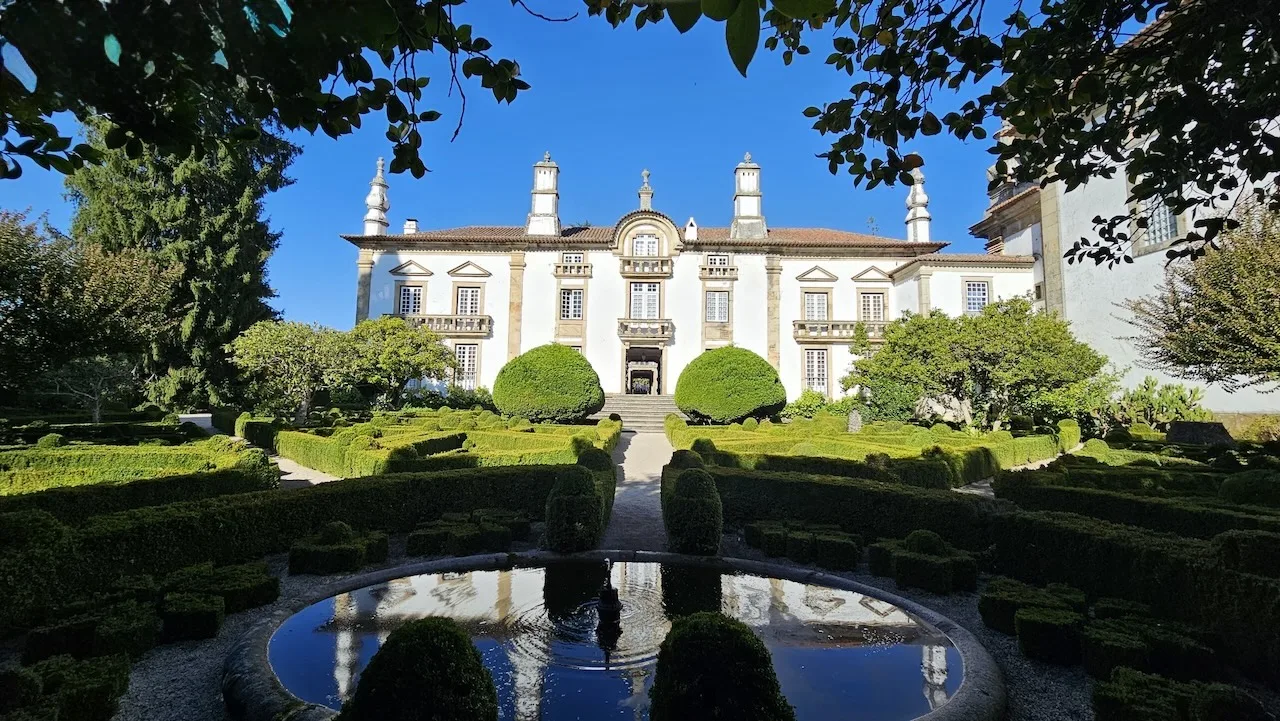
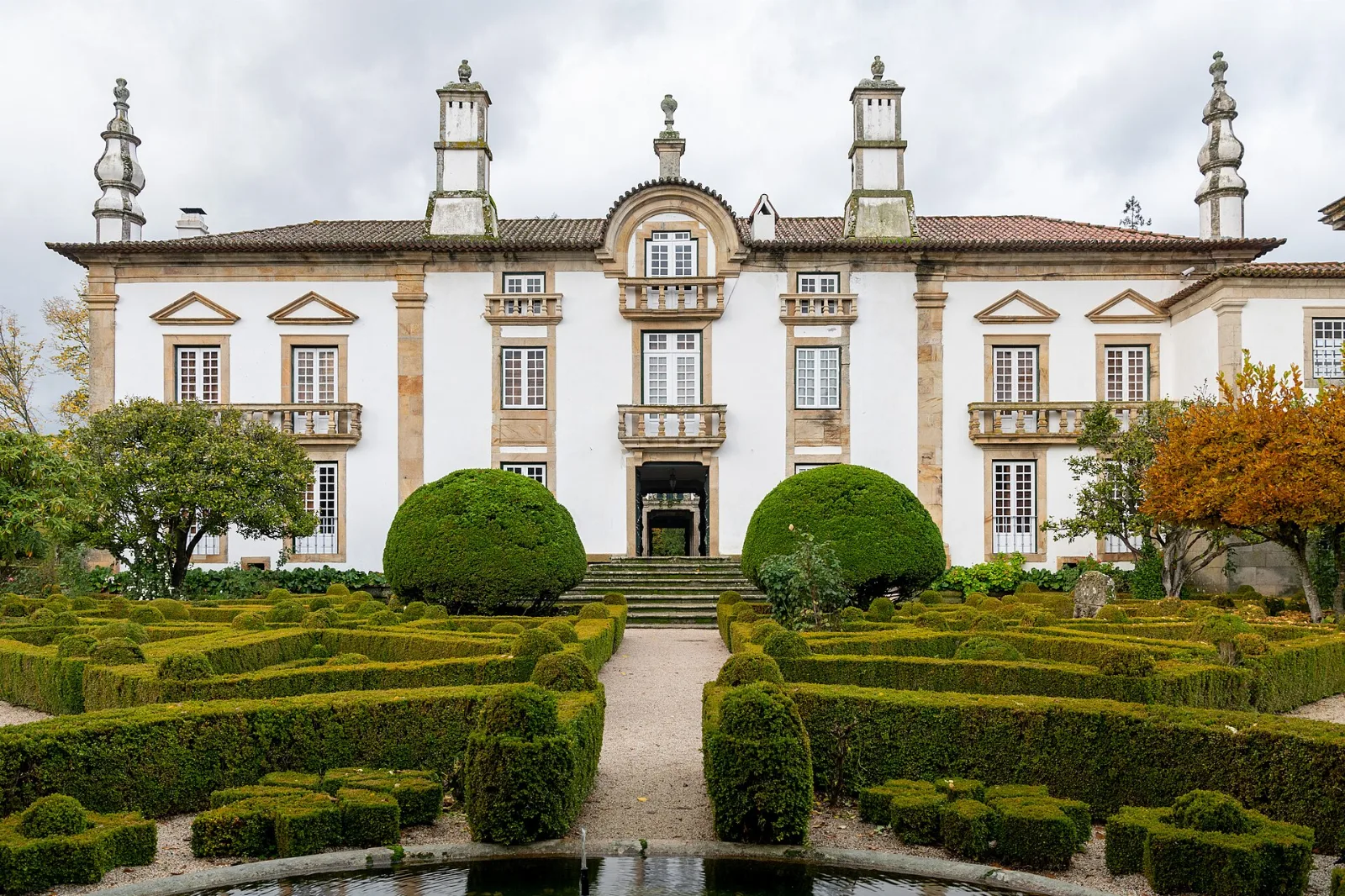
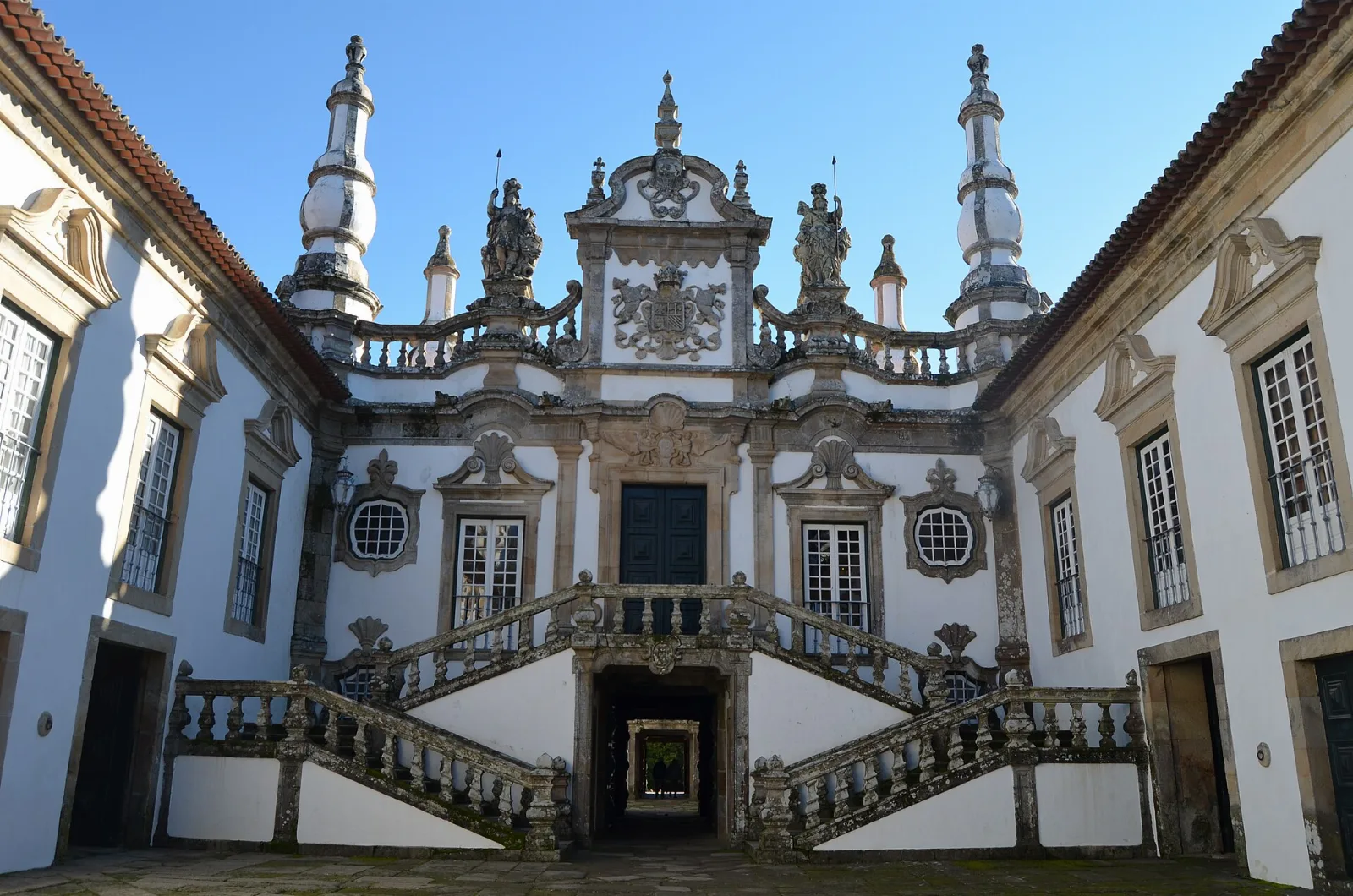
Casa de Mateus, also called Palácio de Mateus, is an eighteenth-century baroque manor house, classified as a National Monument in 1910. The design is attributed to Nicolau Nasoni. Portuguese Wikipedia says it was built in the first half of the eighteenth century by António José Botelho Mourão, and the Foundation's page gives 1744 as the year of completion; English Wikipedia gives 1739 to 1743. Since the sources do not agree in detail, we speak of the mid-eighteenth century and leave exact dates to historians. The chapel is said to have been completed in 1750, according to Wikipedia.
The façade, with its pinnacles above the roofs and the reflecting pool in front, is the image seen in guidebooks. Inside, the Foundation describes a succession of rooms: a great hall, a library, a religious museum, furniture from the seventeenth to the twentieth century, paintings, a pipe organ in the chapel and a collection of relics. The library holds around 6,000 volumes.
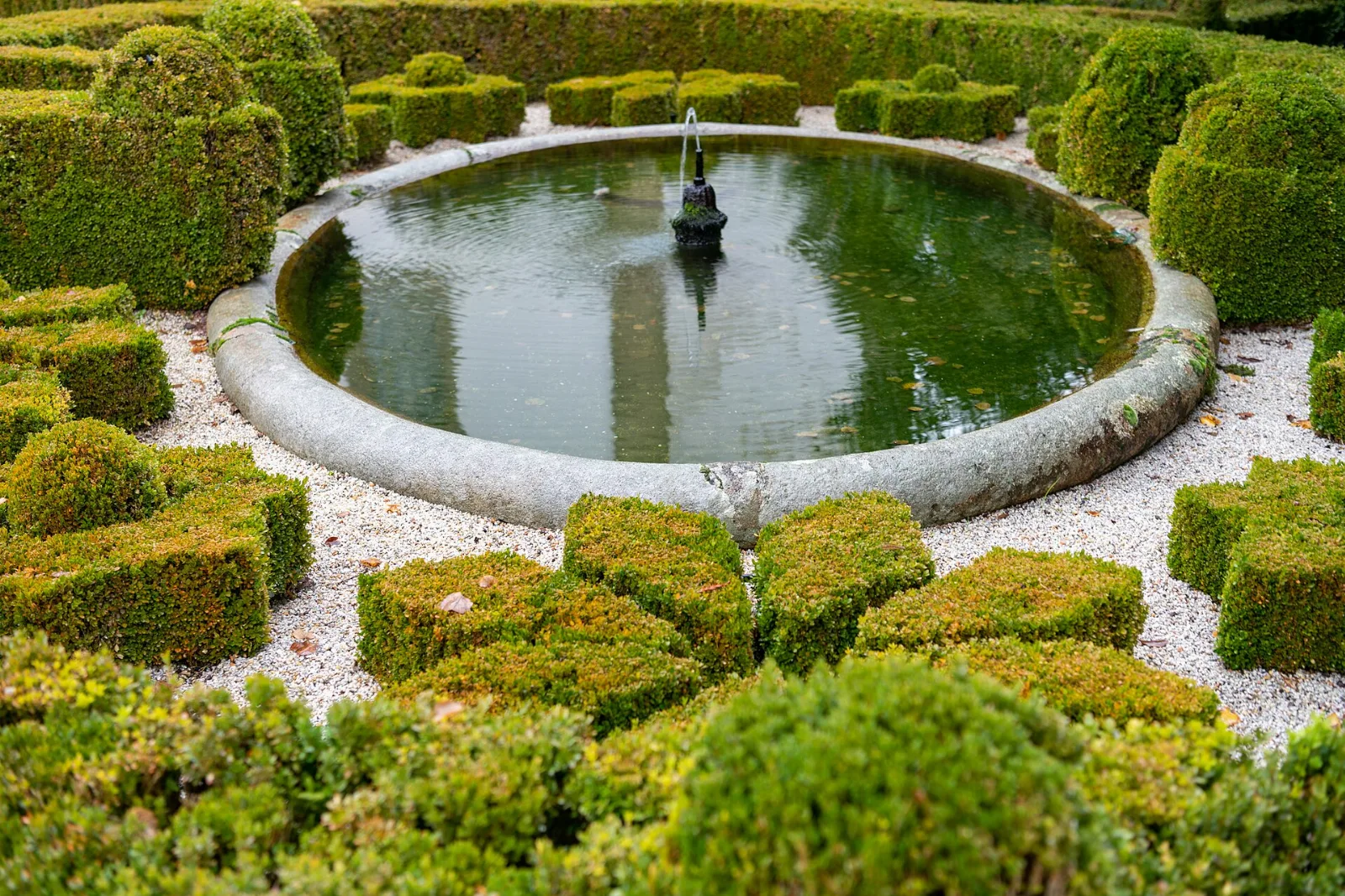
The gardens deserve time of their own. The Foundation mentions the cedar tunnel, the rose garden, the box gardens, the vegetable garden, the vineyards, an open-air vineyard museum and areas of woodland, in a twenty-hectare park that includes the chapel of Nossa Senhora dos Prazeres. The lake dates from the 1950s and 1960s, and the sculpture by João Cutileiro was installed in 1981, according to English Wikipedia.
There are several visit formats: the museum visit with audio guide, which the official page gives as lasting about 25 minutes, the special guided visit of 50 minutes, the chapel and park visit, and wine-focused visits. There is also a separate audio guide for the gardens, with 23 points of interest. The park and chapel are a visit in themselves and are not the same as the museum visit, so choose according to the time you have.
A note of context: the Foundation links the house's winery to the 1756 demarcation (for the story of that demarcation, see our article on the Pombaline Demarcation). The house also gave its name to the well-known Mateus rosé brand.
The historic centre: Vila Velha, cathedral and avenue
The historic centre is organised around Avenida Carvalho Araújo and Vila Velha, the oldest nucleus, on a promontory between the Corgo and the Cabril. Vila Real de Panóias received its charter from King Denis on 4 January 1289 and became a city in 1925. What you see today is armorial houses, Manueline windows and iron balconies.
The cathedral
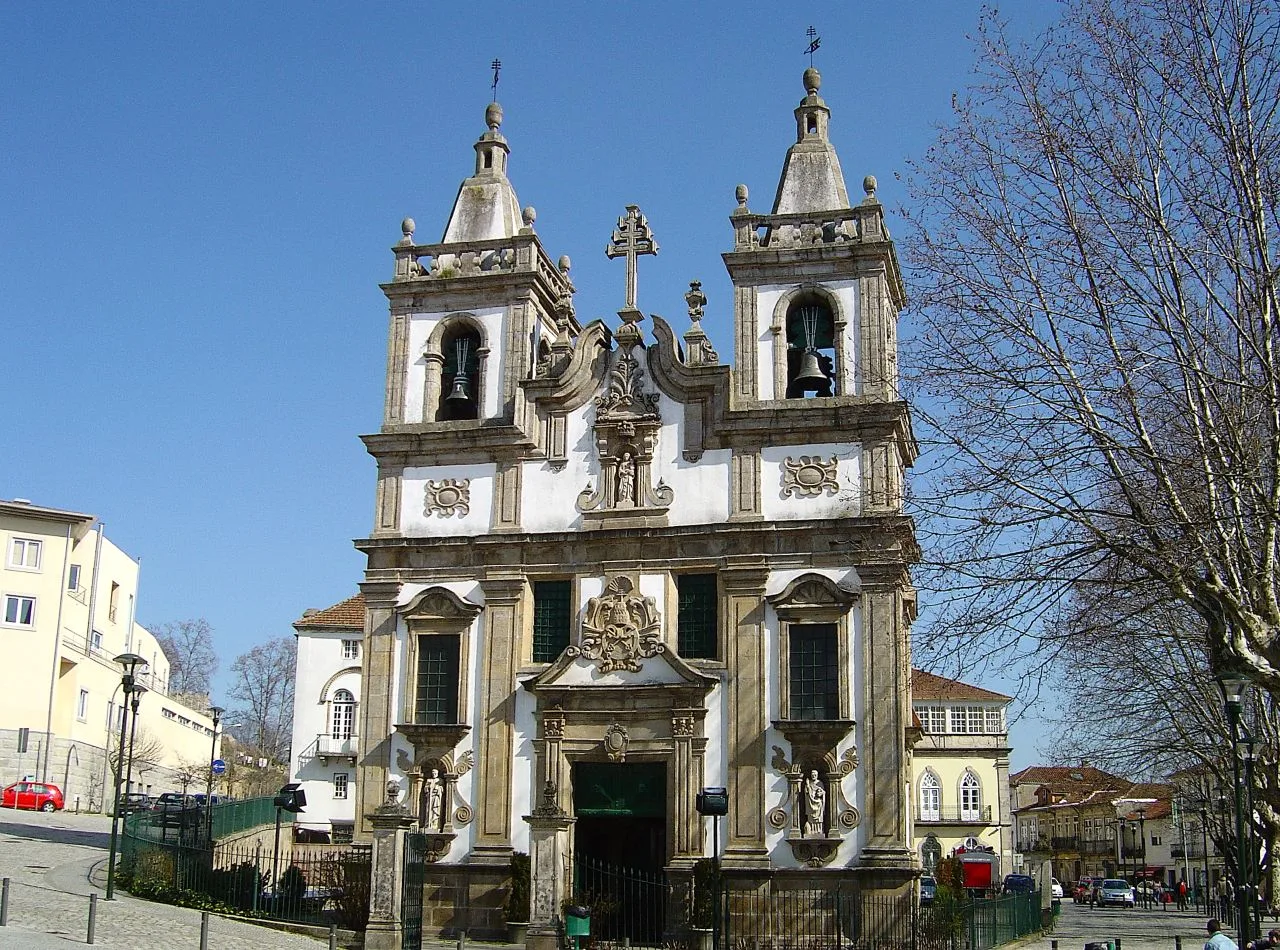
The Sé is the former church of the Dominican convent of São Domingos. King João I donated the land in 1421-1422 and building began in 1424. The style is sober, mendicant Gothic with baroque additions, such as the eighteenth-century bell tower. The diocese was created in 1922, the church became a cathedral in 1924 and it was classified as a National Monument in 1926.
Vila Velha and the surrounding streets
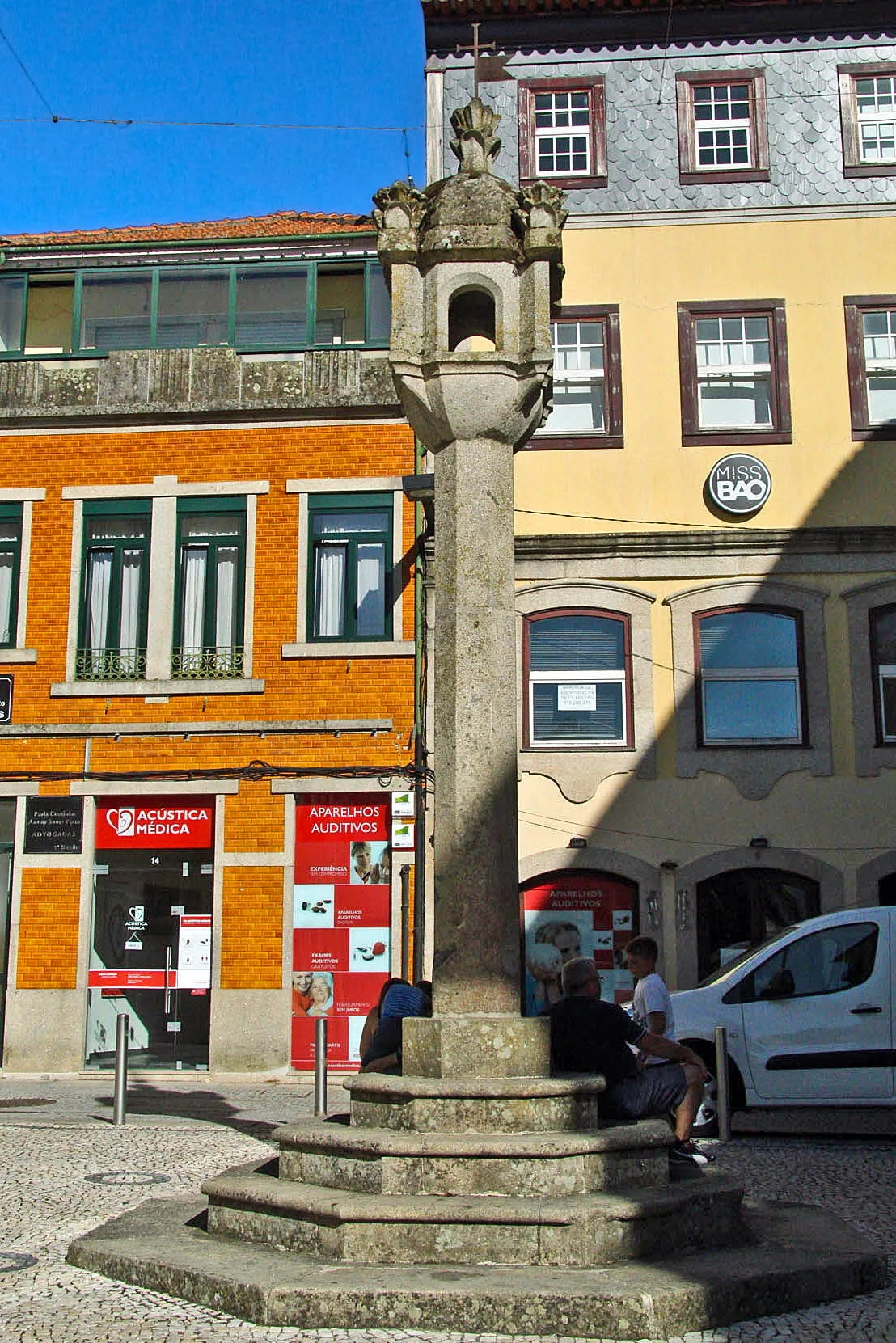
In Vila Velha you will find the chapel of São Brás, a National Monument since 1910, and the Museu da Vila Velha, devoted to archaeological campaigns. Around the avenue and neighbouring streets stand out the fifteenth-century Casa do Arco, with four Manueline windows, the pillory, the Town Hall and the house traditionally associated with the navigator Diogo Cão. This is a tradition, not a proven fact. In the same area are the churches of São Pedro, the Misericórdia and the Calvário, the last with an azulejo façade.
If time is left, the Jardim da Carreira (created in 1871, according to Wikipedia) and the Corgo walkways are the closest green options.
What to eat and drink
Local cooking is the simplest answer to the lunch question. The sources we consulted repeat the same names: tripas aos molhos, covilhetes, Maronesa beef (with protected designation of origin) and, among the sweets, cristas de galo. The black pottery tradition of Bisalhães, recognised by UNESCO, also shows up in the black clay forms in which covilhetes are served, according to the Vila Real page on our portal. The wines of the area belong to the Alto Douro, so it is a good moment to try a local glass.
Getting there and getting around
By car, Casa de Mateus is reached via the A4 (exit 22) or the A24 (exit 13), with the entrance on national road 322. Without a car, the Foundation says line 1 of Urbanos de Vila Real (Lordelo-UTAD) stops at Mateus, next to the church. The nearest railway station is Régua, about 28 km away, and the Corgo line closed for good in 2009. From Porto, our hub mentions about 1h15 by bus. To compare all the ways into the valley, see the guide How to get to the Douro Valley.
Where to stay and how to extend the trip
If you want to see Mateus unhurried, you can sleep nearby: our portal lists stays between 0.7 and 2.8 km from the house. Those who prefer the centre have the advantage of finishing the day on foot. To extend the trip, the neighbouring municipality of Sabrosa has a wine cooperative and quintas, and our plan for Peso da Régua in one day complements it in the valley. An external tourist guide gives May to September as the best period to visit; that is an opinion, not a rule.
What to confirm before you go
- Casa de Mateus hours: the official page gives Monday to Friday 9am to 5pm and Saturday and Sunday 9am to 5:30pm; our place entry says 9am to 6pm every day. Confirm with the Foundation (visitas@casademateus.pt or +351 259 323 121).
- Booking: the museum visit page says booking is required; confirm whether it applies to the format you choose.
- Chapel: some sources mention opening only from April to October, while the official chapel visit page mentions no restriction. Confirm.
- Wine visits: the official page lists the Wine & Vine and Wine Maker visits; confirm dates and conditions.
- Churches and museums in the centre: we found no current official hours; ask at the tourist office or on municipal websites.
- Transport: confirm timetables for line 1 and for buses from Porto.
Frequently asked questions
How much time should I allow for Casa de Mateus?
The official page gives about 25 minutes for the museum visit with audio guide and 50 minutes for the special guided visit. The gardens have a separate audio guide with 23 points of interest and the park covers twenty hectares, so allow extra time to walk them. Confirm the format beforehand.
Can I take a bus from the centre of Vila Real to Casa de Mateus?
The Foundation says line 1 of Urbanos de Vila Real (Lordelo-UTAD) stops at Mateus, next to the church. The house is about 4 km from the centre. Check the line's timetable before planning your day.
Do I need to book a visit to Casa de Mateus?
The museum visit page says booking is required, online or by email or phone. As this may vary with the format and the season, confirm directly with the Foundation.
How old is the Sé of Vila Real?
The former Dominican convent church was founded in the fifteenth century: King João I donated the land in 1421-1422 and building began in 1424. It became a cathedral in 1924, after the diocese was created in 1922, and has been a National Monument since 1926.
What should I try to eat in Vila Real?
The sources cite tripas aos molhos, covilhetes, Maronesa beef and, among the sweets, cristas de galo, along with Alto Douro wines. Ask for suggestions on the spot, as menus vary.
Does Casa de Mateus produce Mateus Rosé?
The house gave its name to the well-known rosé brand. The Foundation's official page says the winery produces wines from its own vines but does not explain the relationship with the brand. To know what is tasted on the visit, ask the Foundation.
Sources consulted
- dourovinhateiro.com/local/casa-de-mateus-vila-real
- dourovinhateiro.com/local/centro-historico-vila-real
- dourovinhateiro.com/cidade/vila-real
- dourovinhateiro.com/cidade/sabrosa
- pt.wikipedia.org/wiki/Palácio_de_Mateus
- en.wikipedia.org/wiki/Mateus_Palace
- pt.wikipedia.org/wiki/Vila_Real
- en.wikipedia.org/wiki/Vila_Real,_Portugal
- pt.wikipedia.org/wiki/Sé_de_Vila_Real
- casademateus.pt/en/
- casademateus.pt/en/paginas/the-casa-de-mateus/
- casademateus.pt/en/paginas/how-to-arrive/
- casademateus.pt/en/visitas-e-provas/mateus-museum-visit/
- casademateus.pt/en/visitas-e-provas/mateus-chapel-and-park-visit/
- discoverdouro.pt/en/o-que-visitar-em-vila-real-en
- vagamundos.pt/visitar-vila-real-roteiro/