
Photo: Sonny Vermeer / Pexels
Hotels in Vila Real
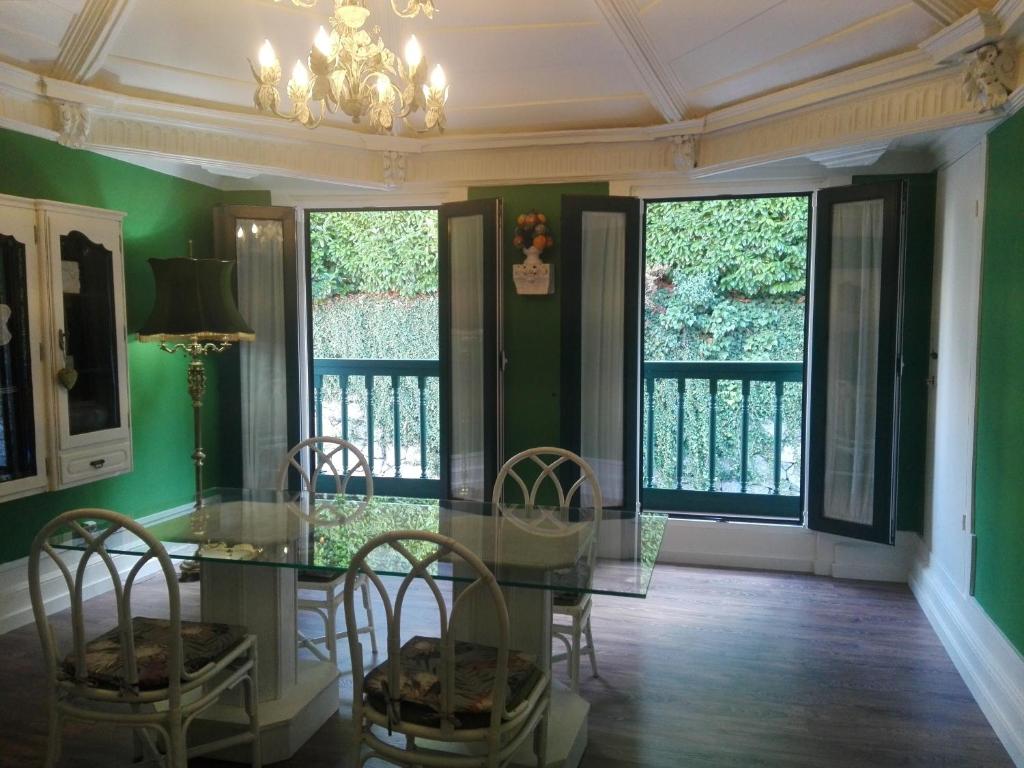
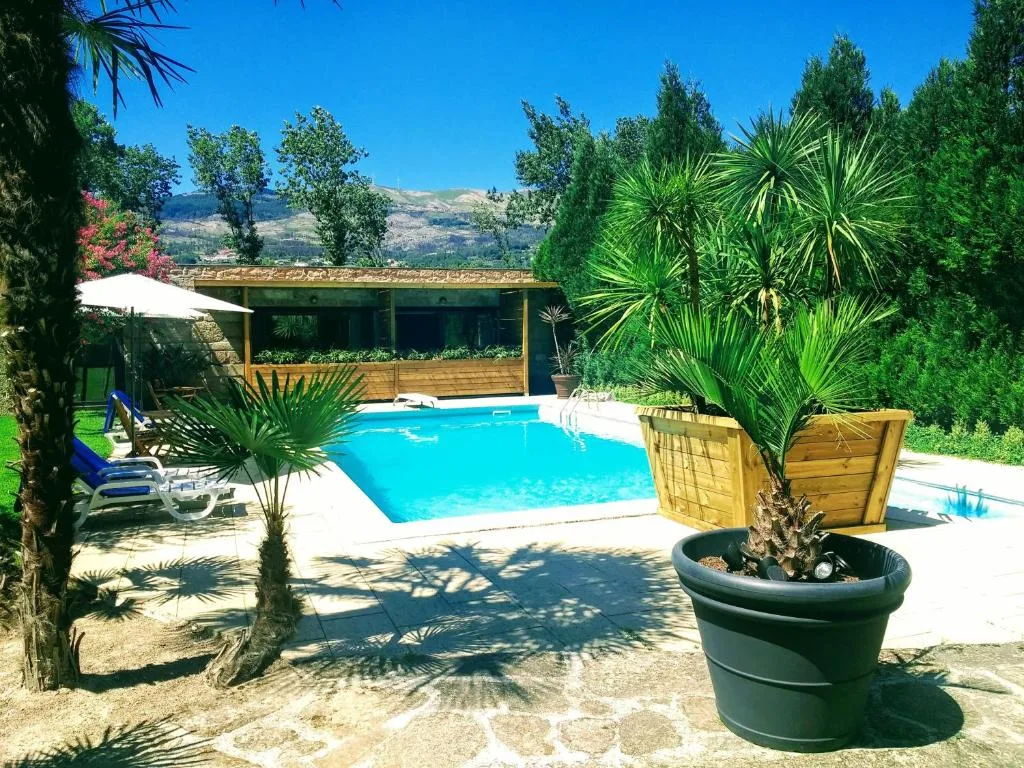
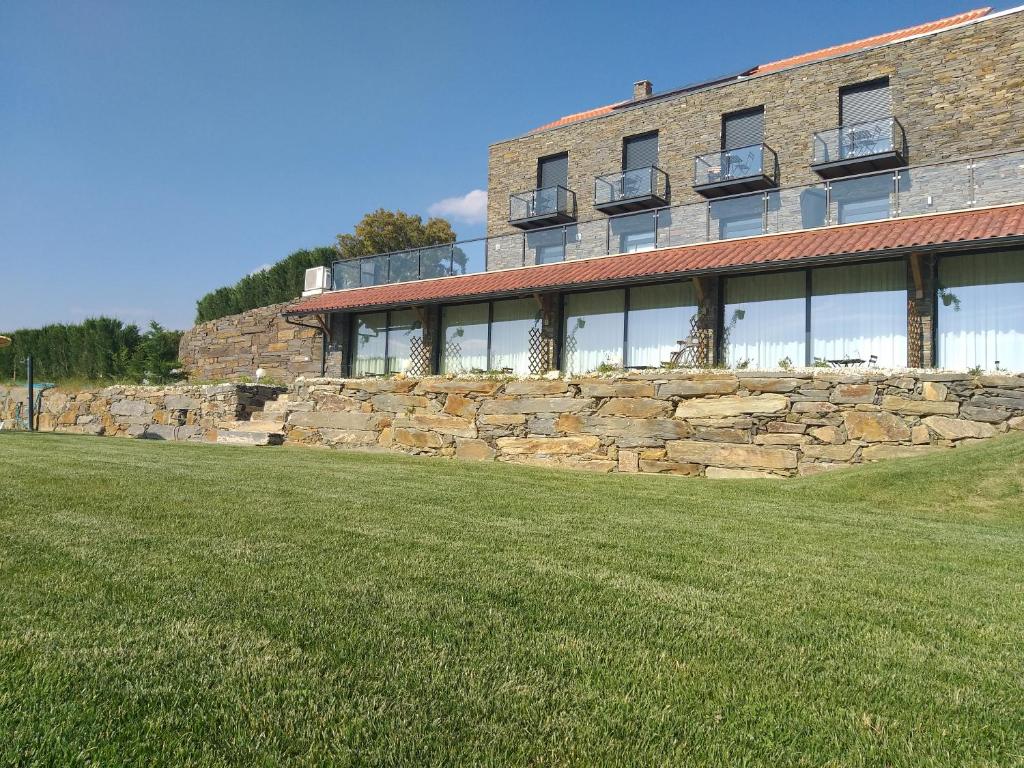
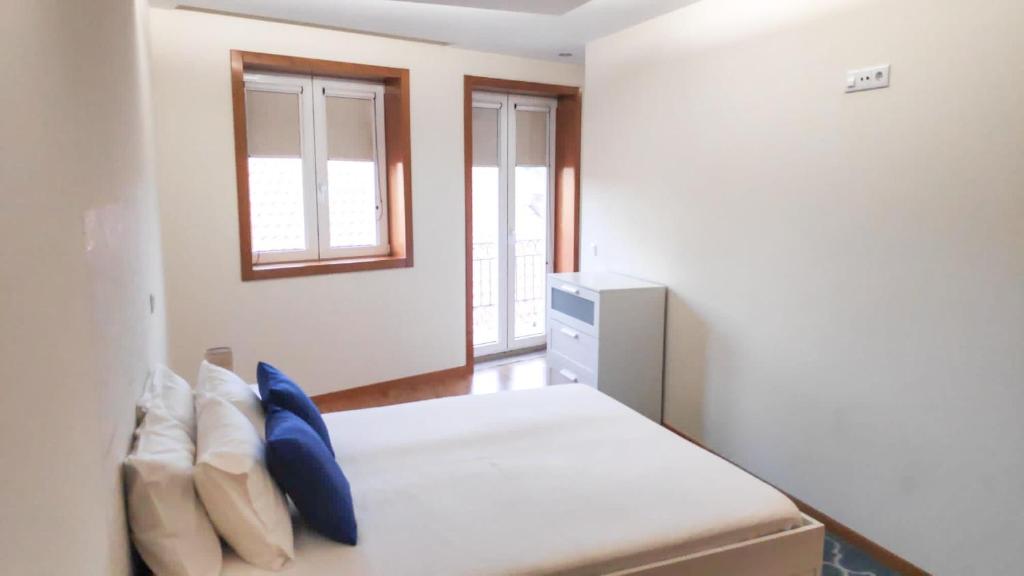
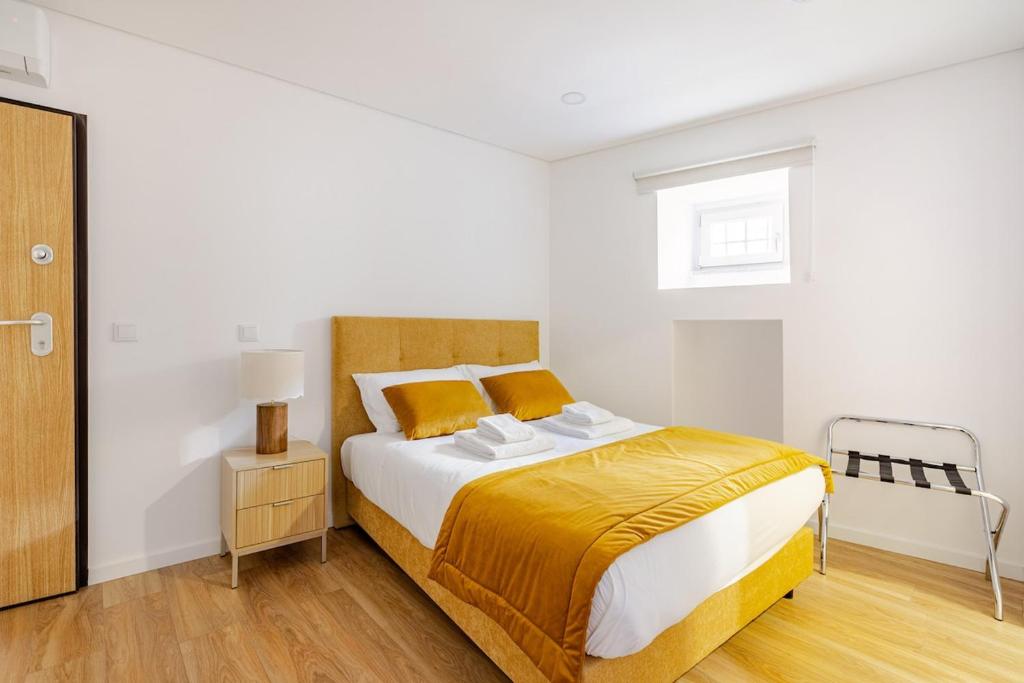
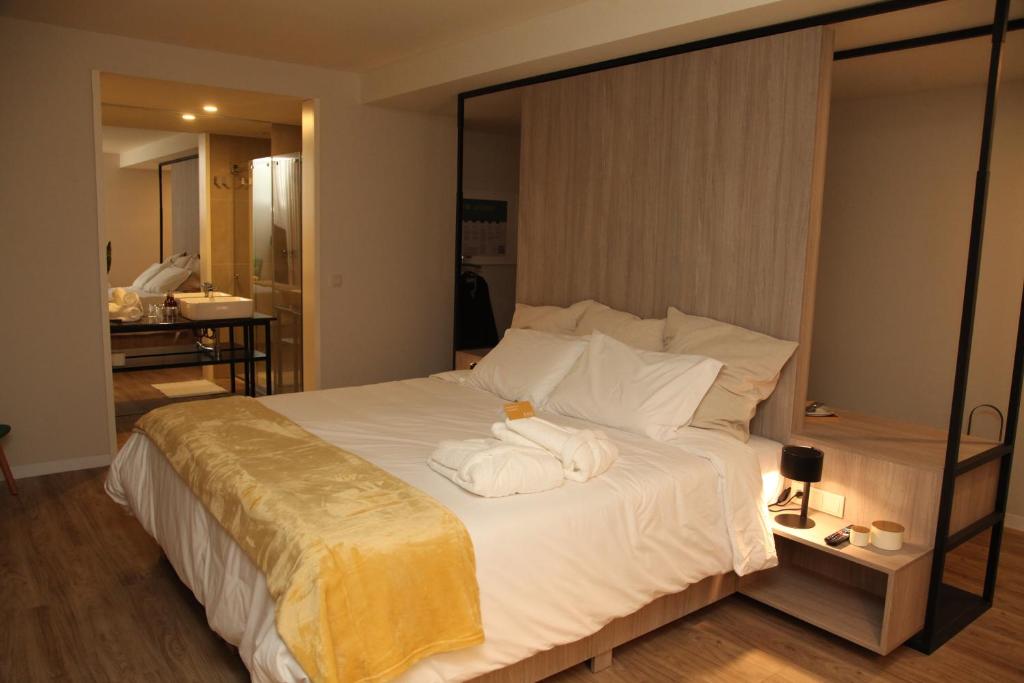
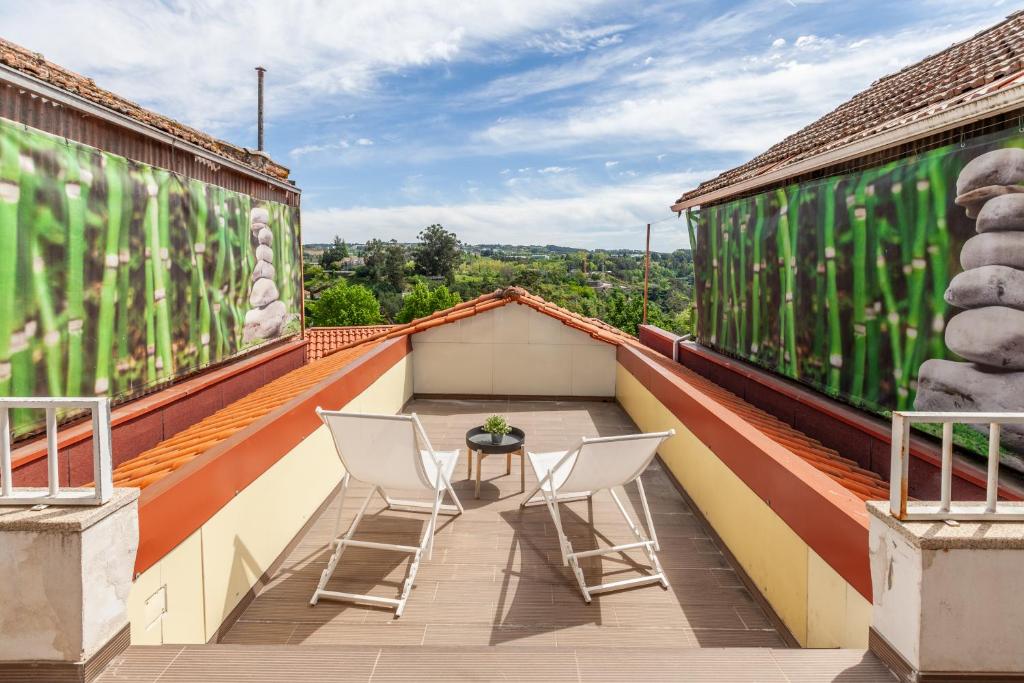
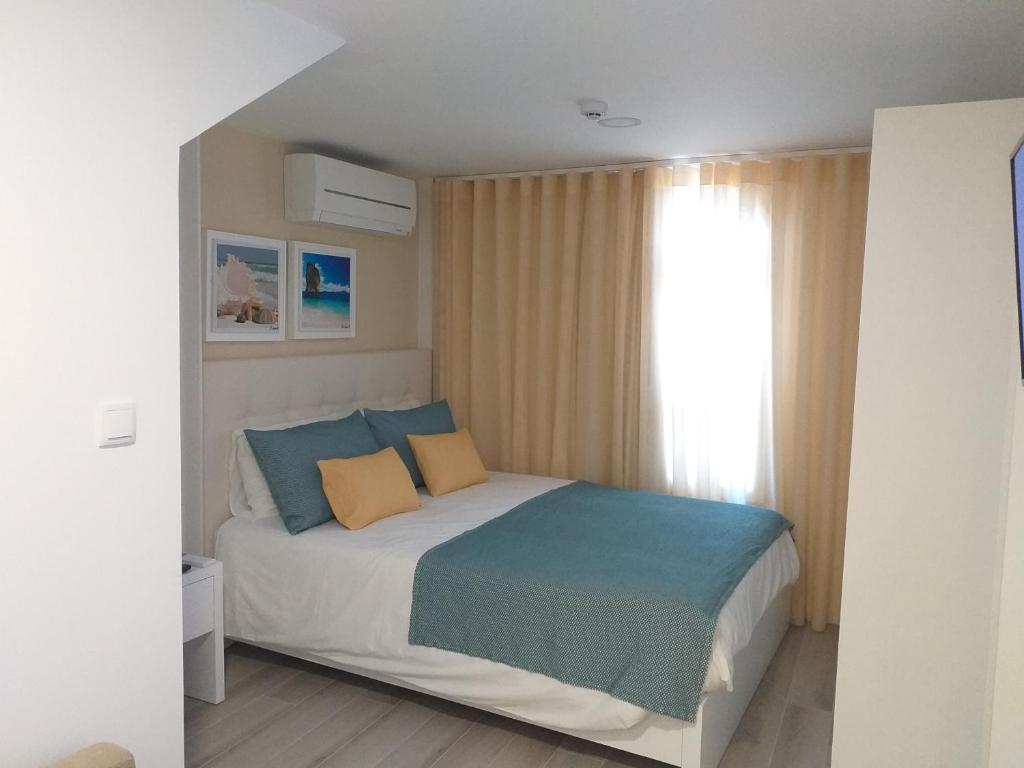
25 places to stay in Vila Real · average guest rating 8.6/10


Things to see in Vila Real
About Vila Real
Vila Real is the capital of the district of the same name and of the Douro sub-region, in northern Portugal, in the historic province of Trás-os-Montes e Alto Douro. The city stands on a plateau at around 450 m above sea level, on the promontory formed where the Corgo and Cabril rivers meet, framed by the Alvão and Marão mountain ranges.
The municipality covers about 378.8 km², has 20 parishes and 49,574 inhabitants (2021 census), and borders, among others, Peso da Régua, Sabrosa and Santa Marta de Penaguião. It was founded by royal charter in 1289 under King Dinis and became a city in 1925: heritage, gardens and countryside are all close to the centre.
What to see and do
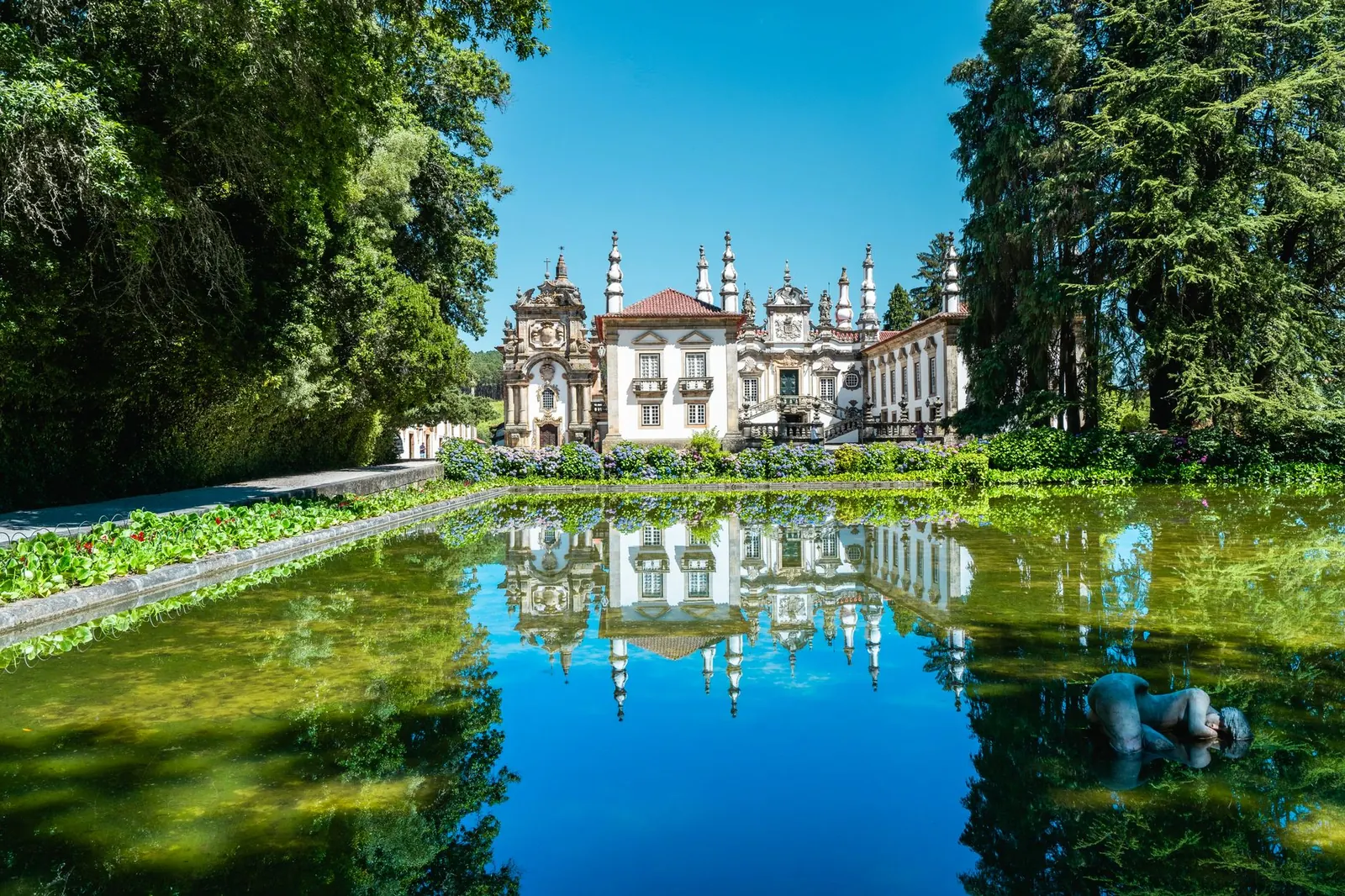
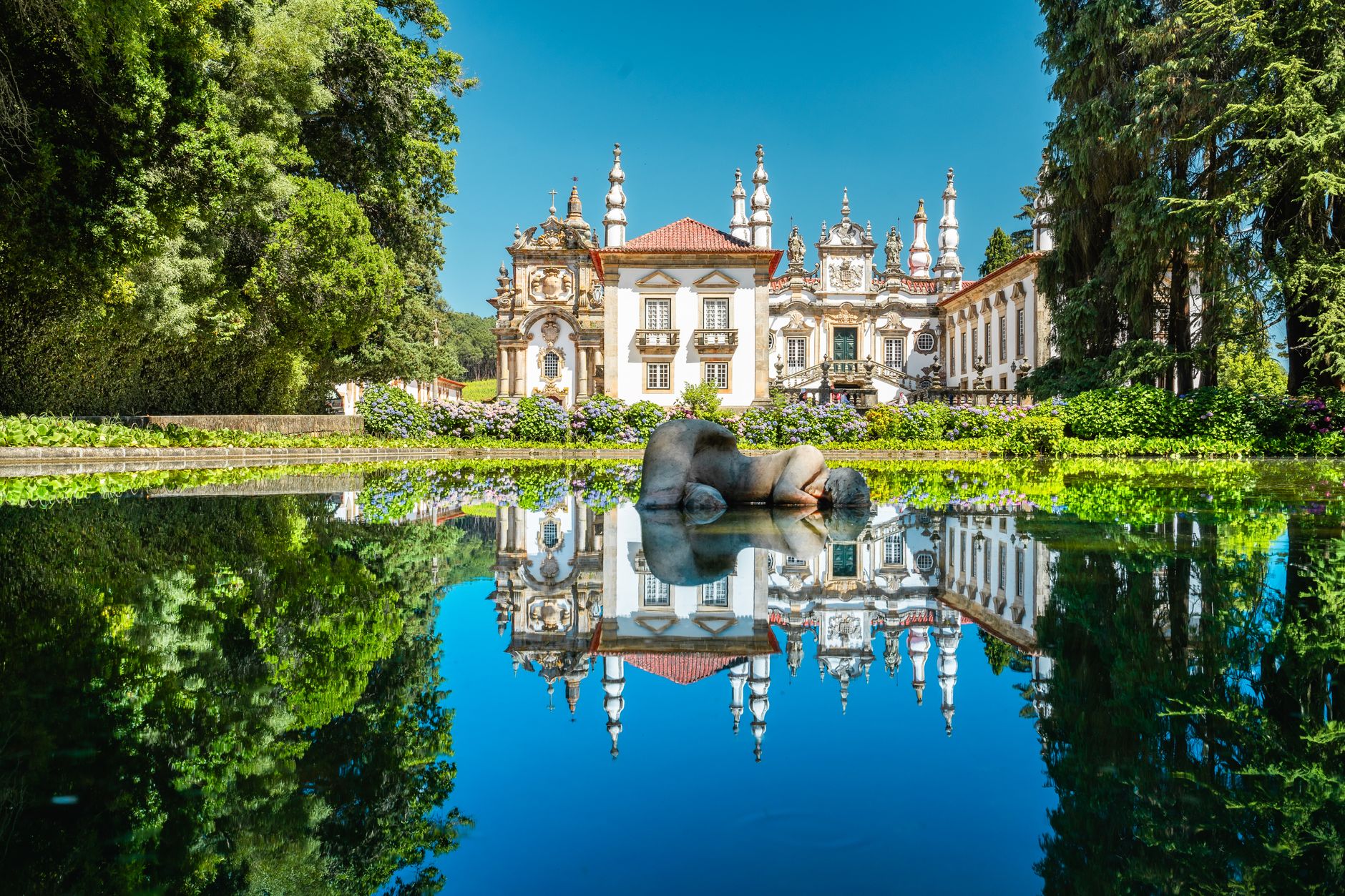
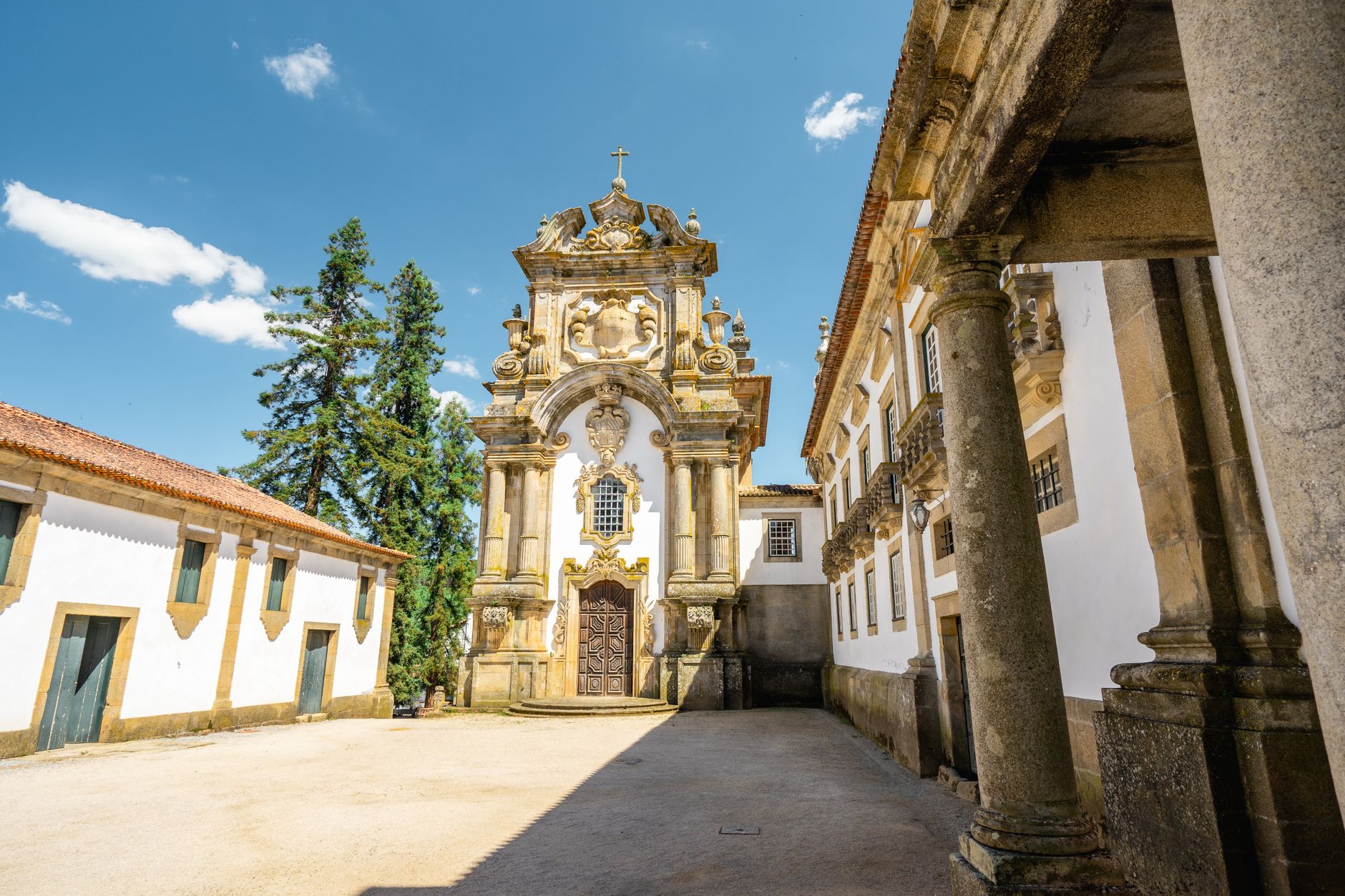
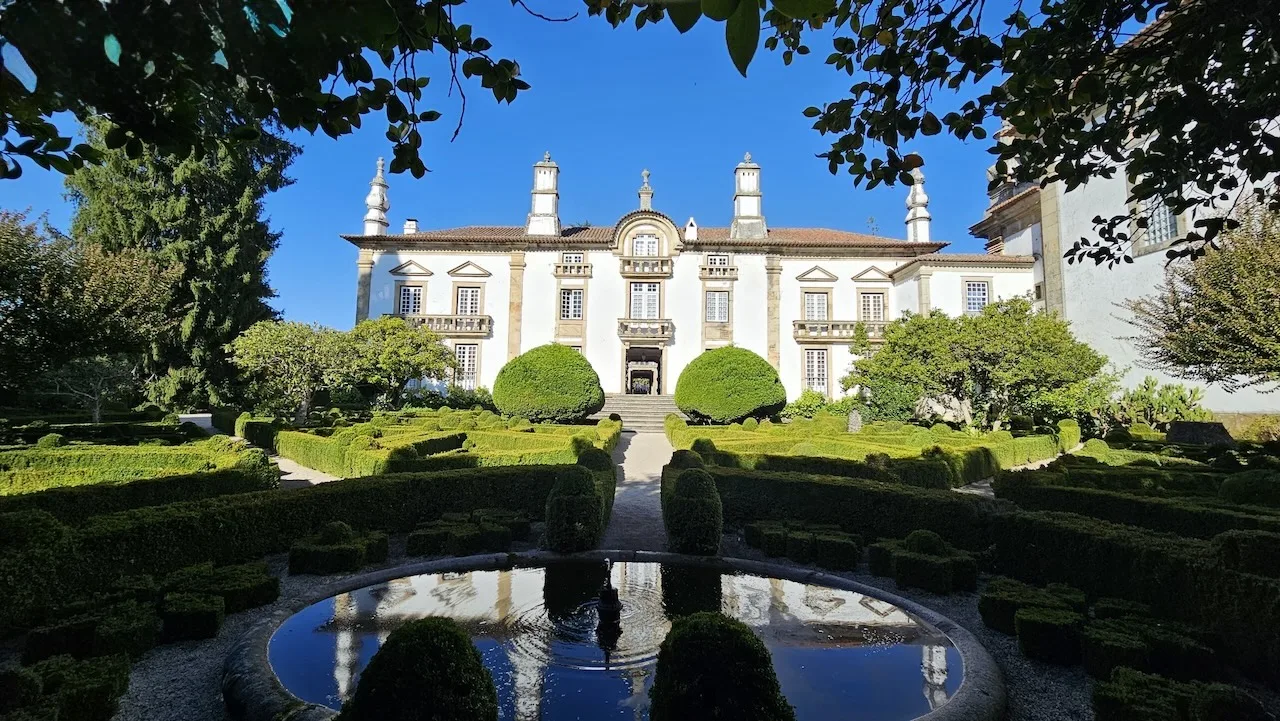
- Casa de Mateus: a baroque manor house about 4 km from the centre of Vila Real. The Casa de Mateus Foundation, which runs it, mentions the house and chapel, gardens, a museum and a vineyard museum. The house also appears on the Mateus Rosé label.
- Vila Real Historic Centre: the city’s monuments include the Cathedral (Sé), the Chapel of São Brás, the Casa de Diogo Cão and the pillory. The 18th-century Jardim da Carreira is described by the municipality as one of Vila Real’s most emblematic spaces.
- Museums: the municipality lists the Museu de Arqueologia e Numismática, the Museu da Vila Velha, the Museu do Som e da Imagem and the Museu de Geologia Fernando Real of the UTAD university.
- Nature: Parque Corgo, 33 hectares beside the river, the Passadiços do Corgo walkways and the UTAD Botanical Garden (about 1,000 species over 80 hectares, according to the municipality). The Alvão Natural Park has its headquarters in Vila Real.
- Crafts: Bisalhães black pottery was recognised by UNESCO in 2016.
The municipality also highlights events such as the Circuito Internacional de Vila Real; please check dates on official channels.
Food and wine
Local specialities include tripas aos molhos (tripe in sauce), covilhetes (pies baked in black clay moulds from Bisalhães) and cristas de galo, a convent sweet made with almonds and eggs. Maronesa beef, a protected designation of origin product, grazes in the Alvão and Marão mountains. As for wine, the area benefits from the microclimate created by the Marão barrier and schist soils.
Getting there
For Casa de Mateus, the Foundation gives exit 22 of the A4 (Porto–Bragança) and exit 13 of the A24 (Viseu–Chaves). Régua railway station is about 28 km away and, by bus, the trip from Porto takes around 1 h 15, according to the same source.
Where to stay
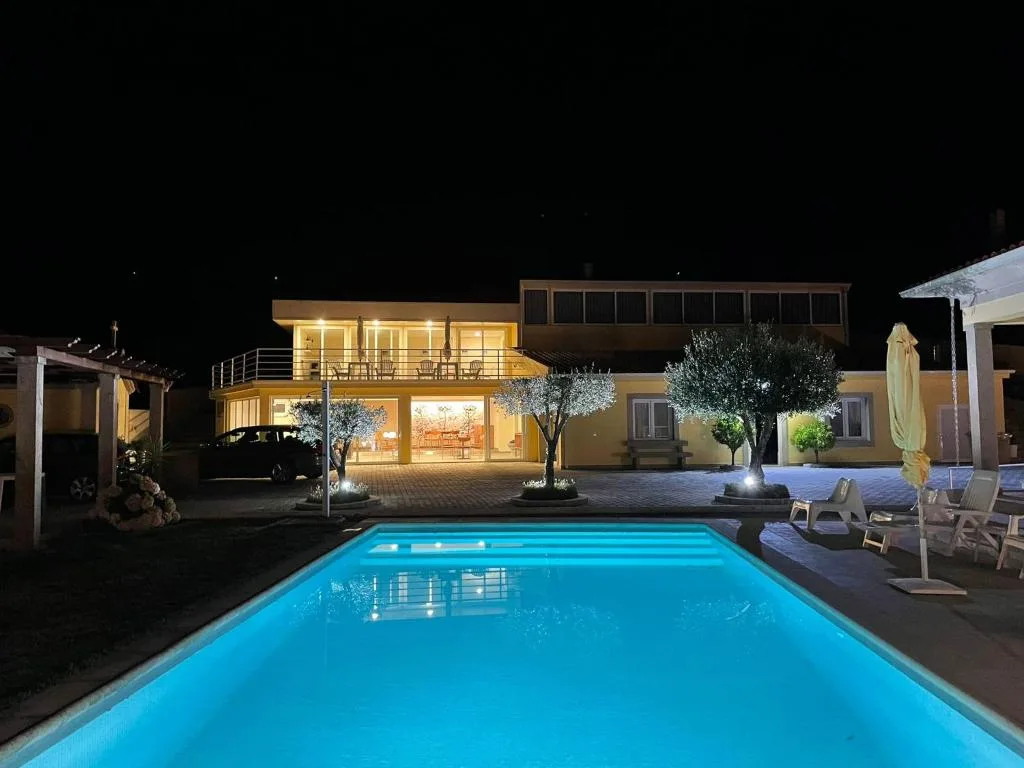
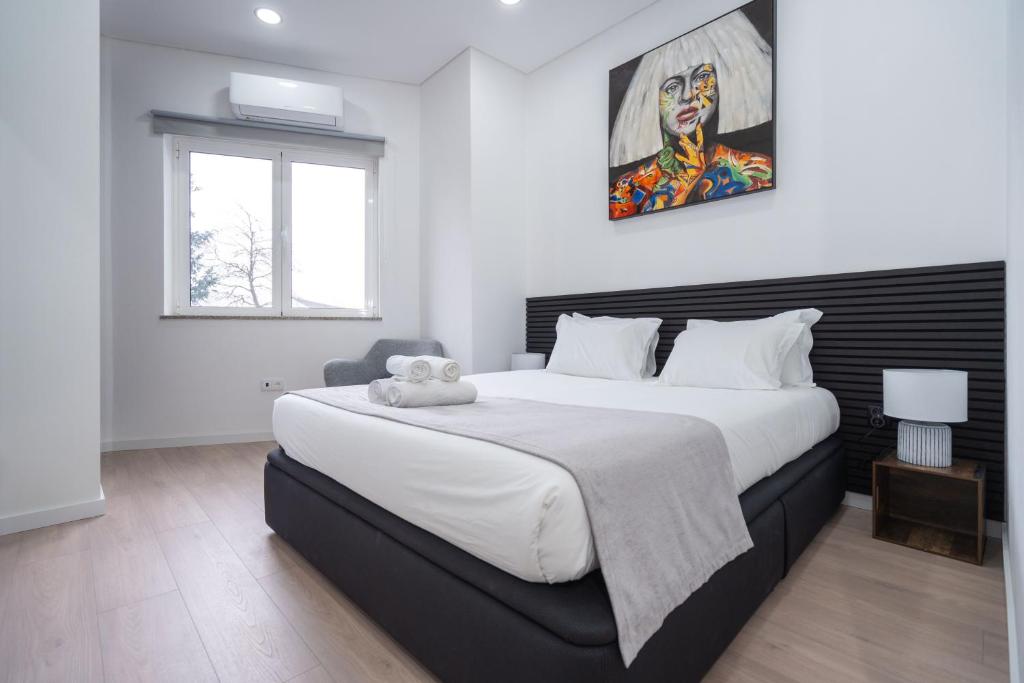
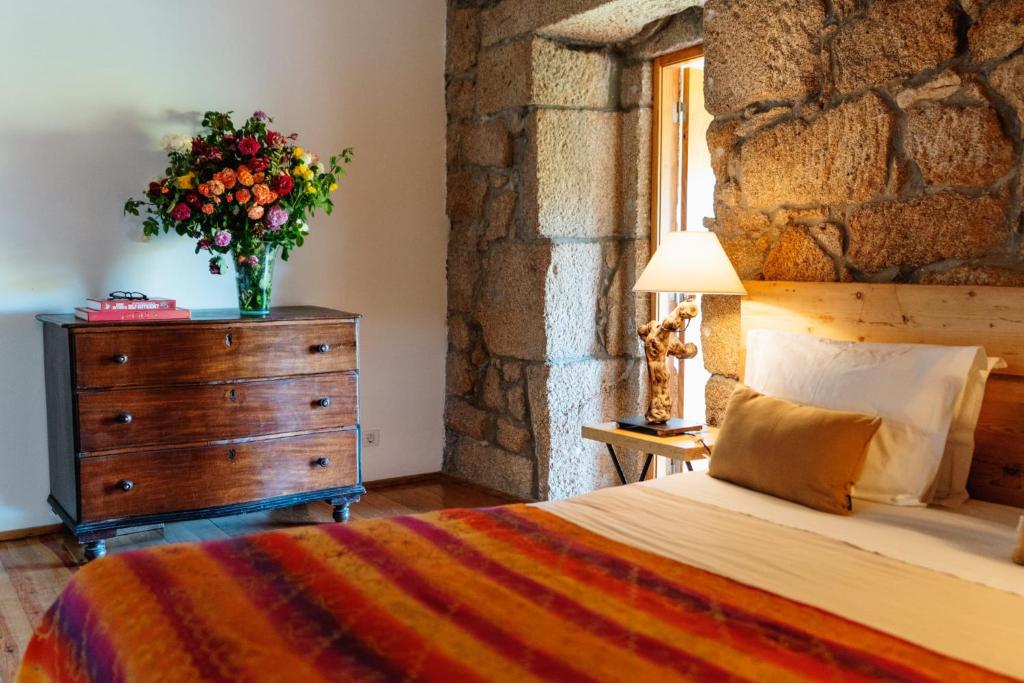
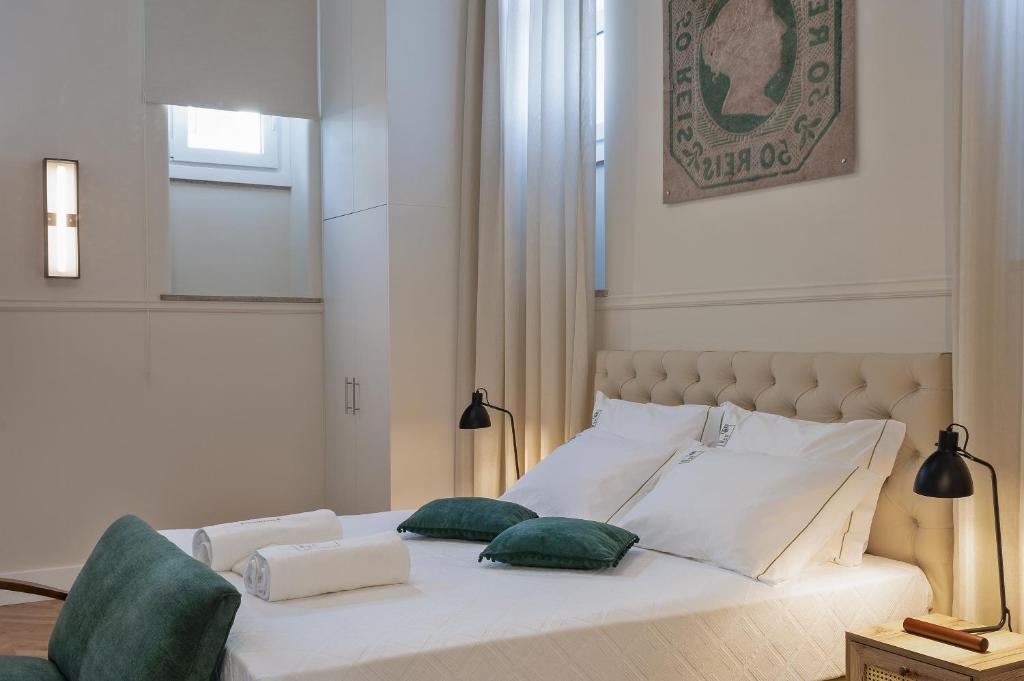
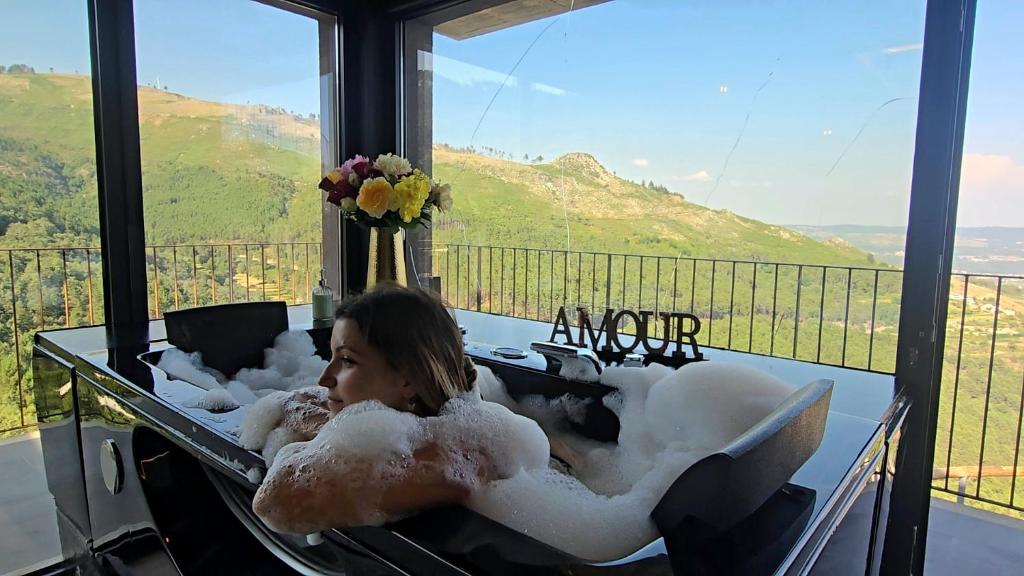
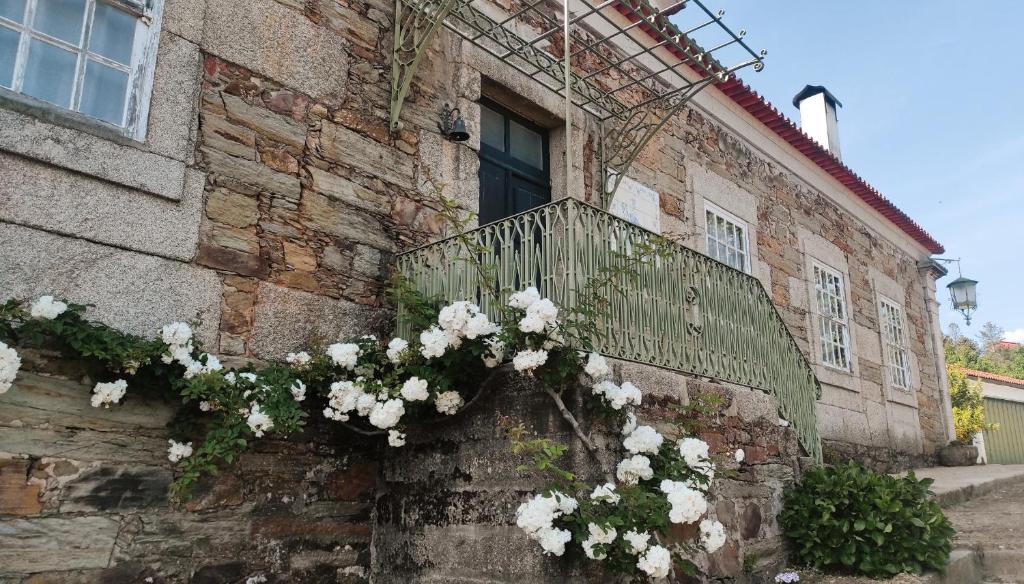
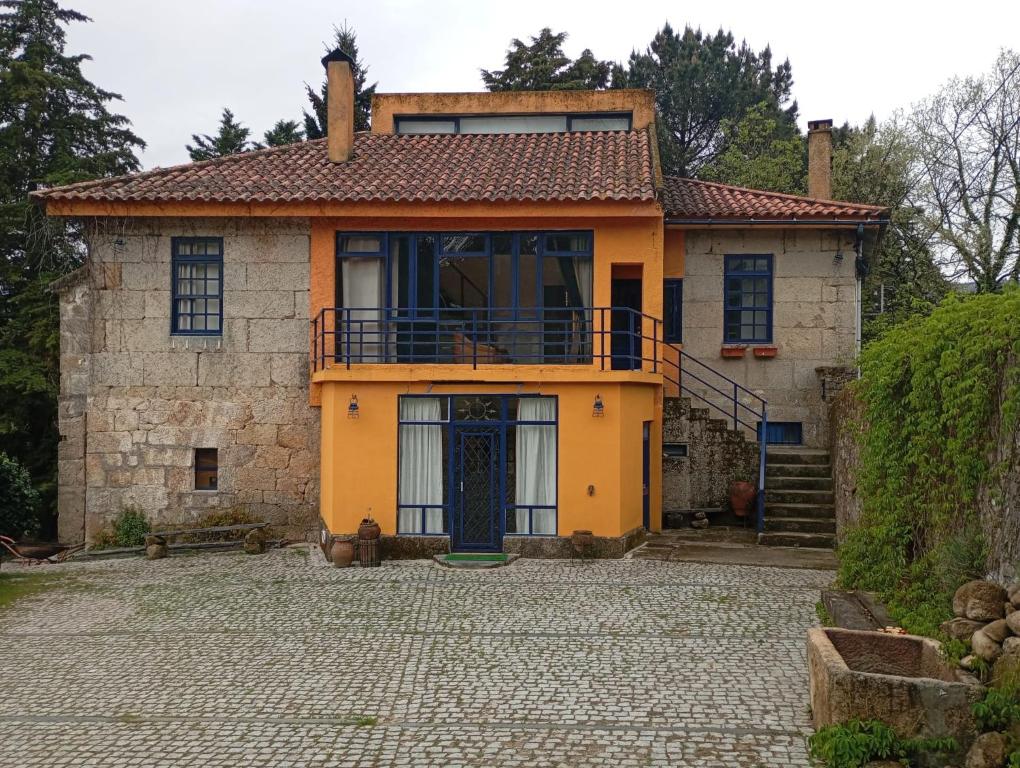
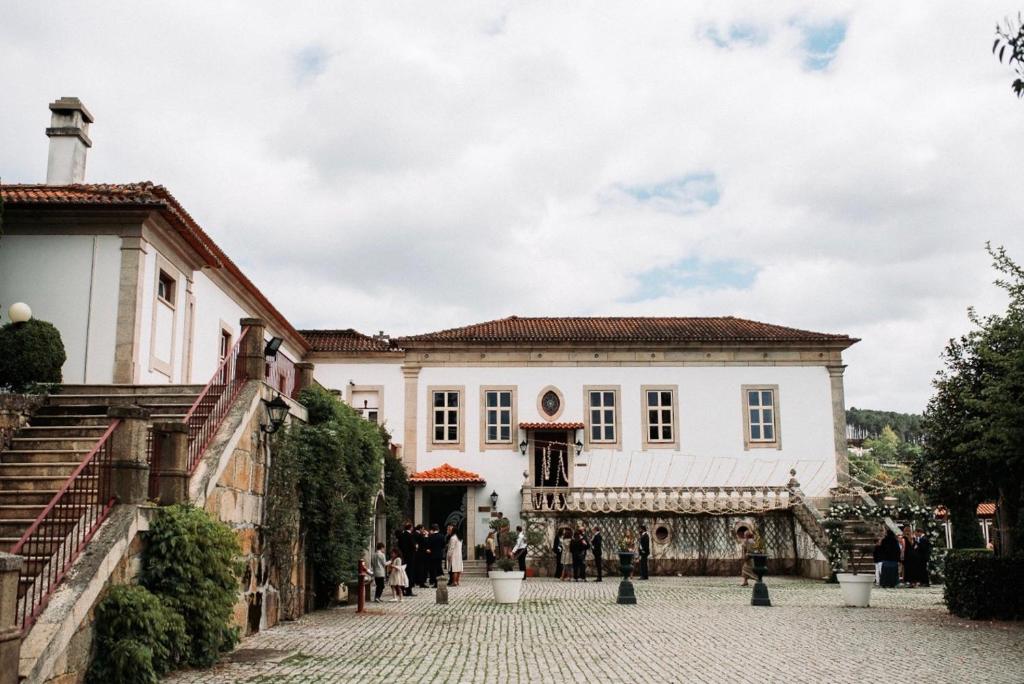
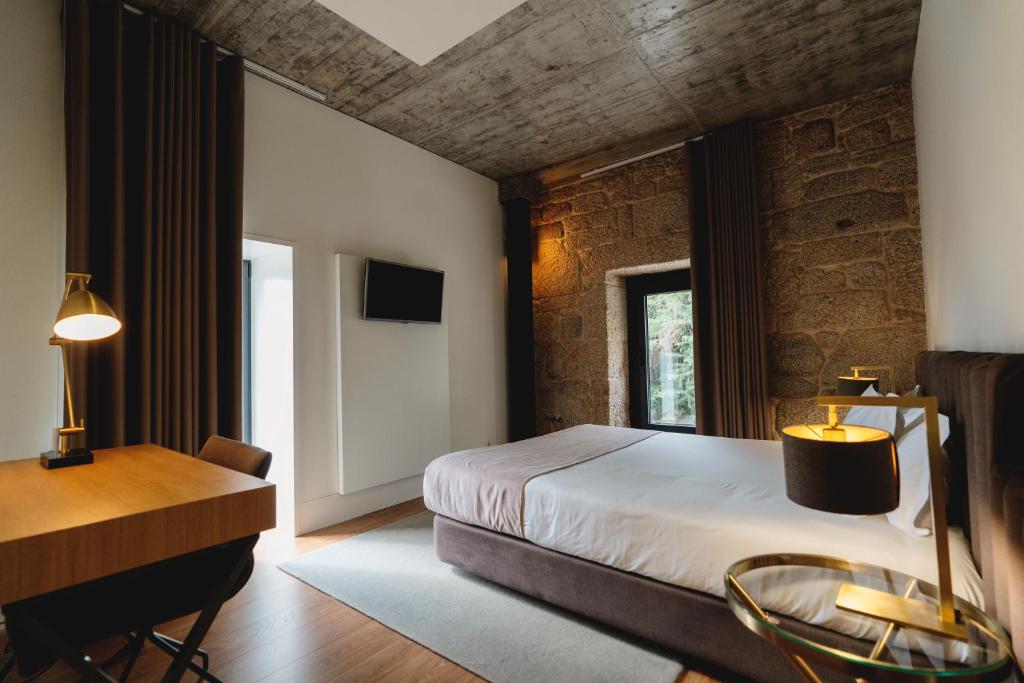
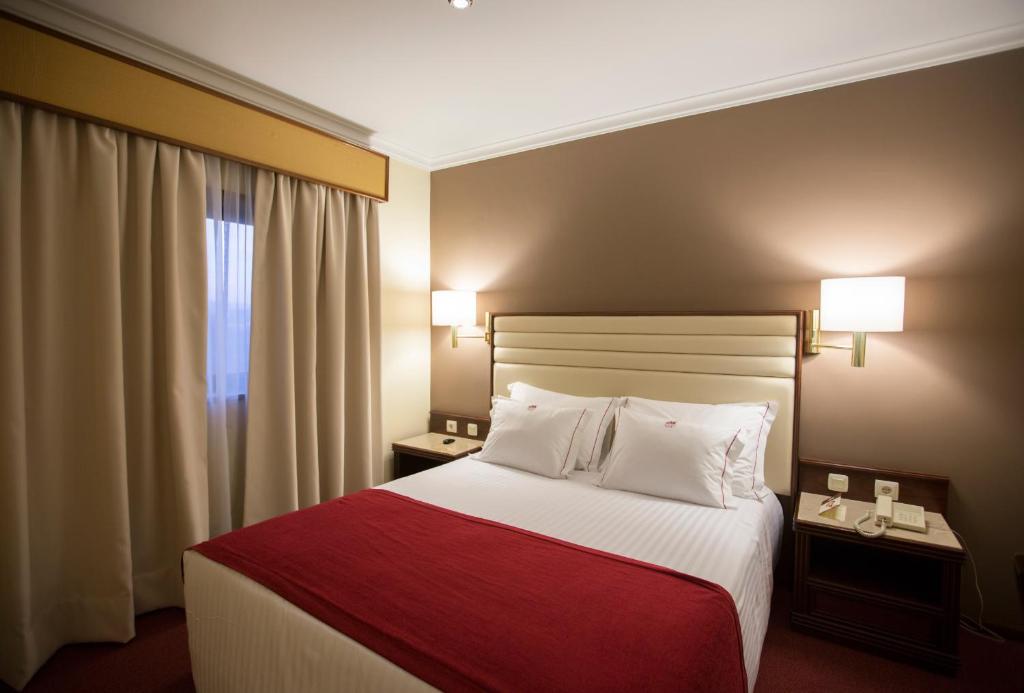
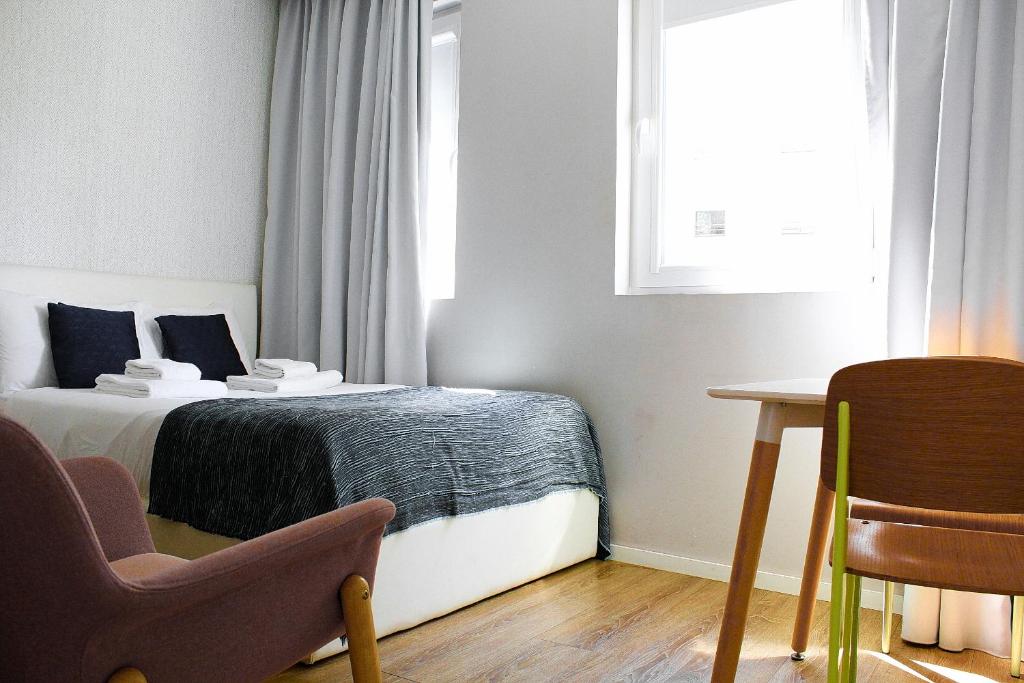
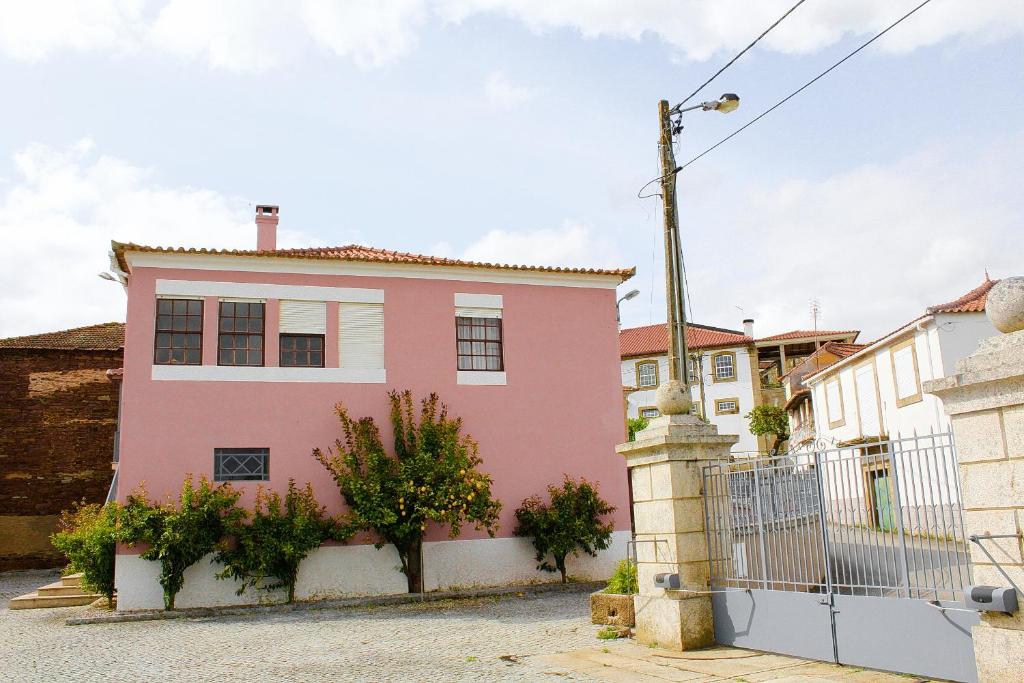
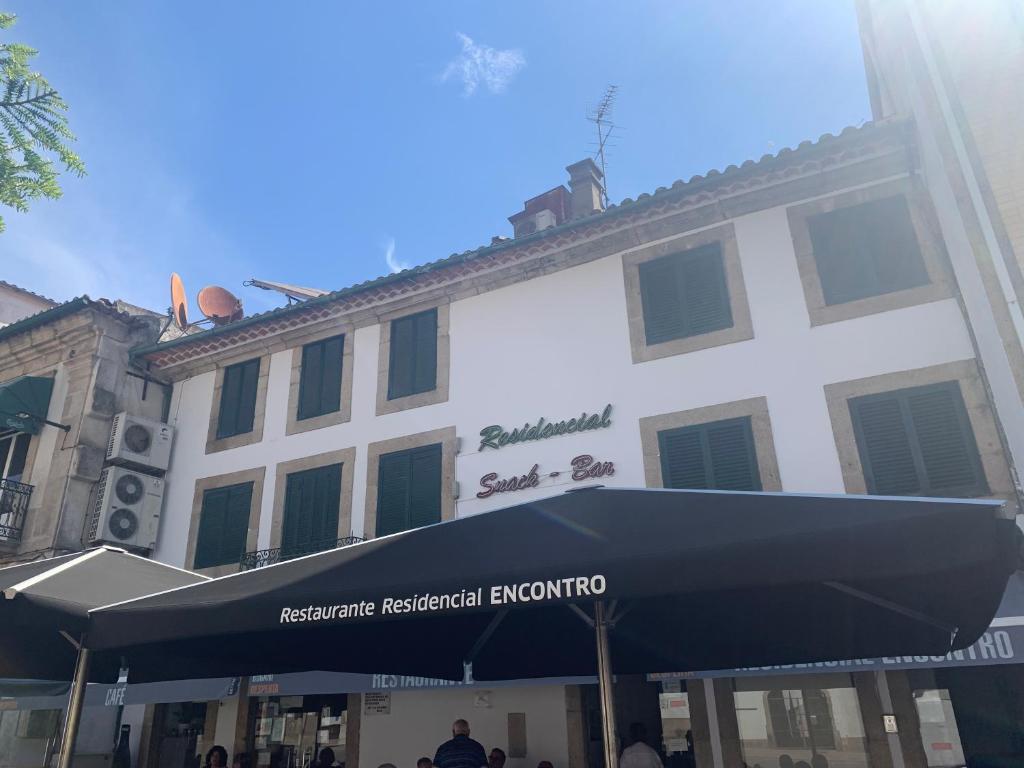
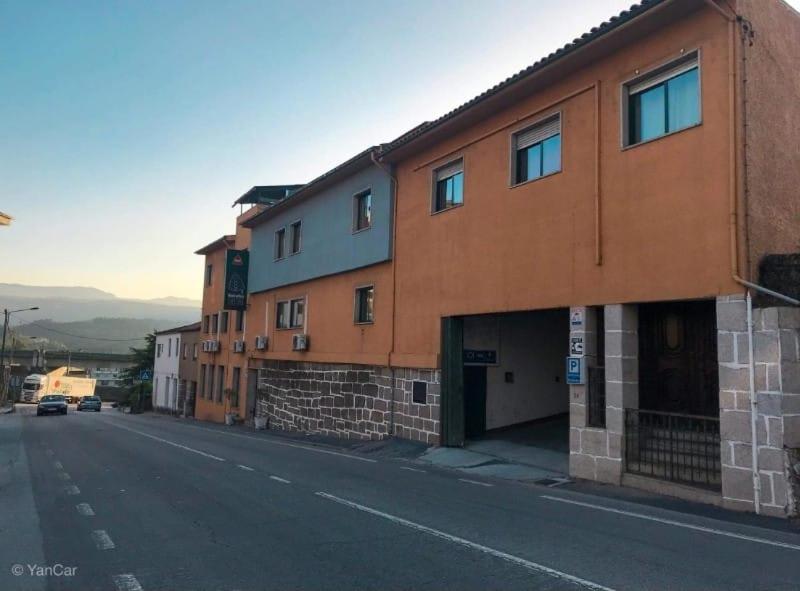
Our catalogue has 22 lodgings in the municipality, 15 of them in the locality of Vila Real. See the list of lodgings, with ratings given by Booking.com guests.
Frequently asked questions
What is there to see in Vila Real?
The historic centre (Cathedral, Casa de Diogo Cão, pillory), Parque Corgo and Casa de Mateus, about 4 km from the centre, are among the points of interest. The municipality also lists several museums and the UTAD Botanical Garden.
How do I get to Casa de Mateus?
According to the Casa de Mateus Foundation, it is 4 km from the centre of Vila Real, reached via exit 22 of the A4 or exit 13 of the A24. Urban bus line 1 also stops next to the Mateus church.
How long does the bus from Porto take?
The Casa de Mateus Foundation gives around 1 h 15 by bus between Porto and Vila Real. Always check timetables and operators before travelling.
Which local dishes and products should I try?
Tripas aos molhos, covilhetes, cristas de galo and Maronesa PDO beef are specialities associated with Vila Real. Traditional covilhetes are baked in black clay moulds from Bisalhães.
How many lodgings are there in Vila Real and how are they rated?
The catalogue has 22 lodgings in the municipality, 15 of them in the locality of Vila Real. The ratings shown come from Booking.com guests.