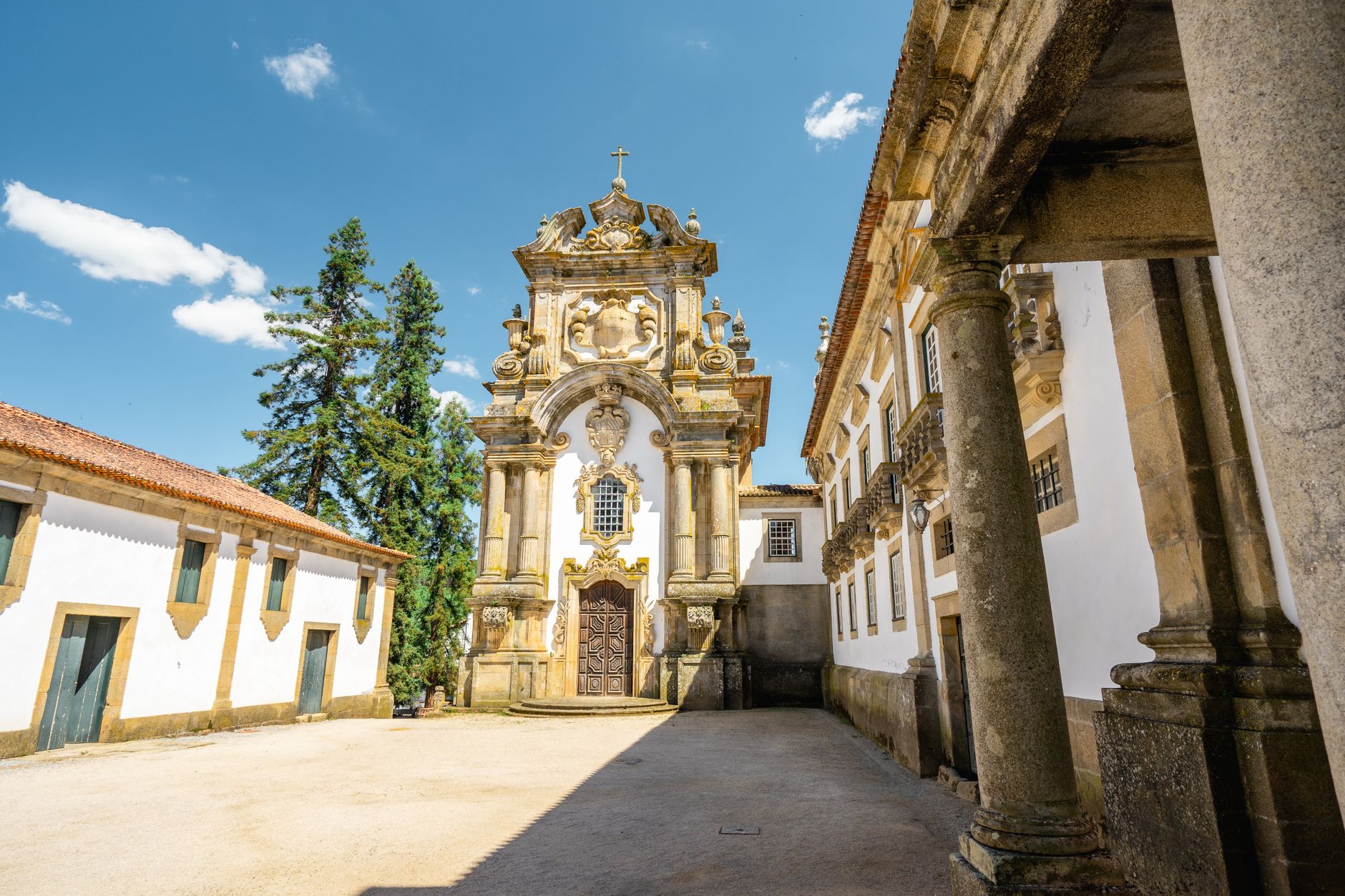
Photo: Sonny Vermeer / Pexels · source
Monuments and churchesVila Real Historic Centre
Vila Real
Contacts and location
- Coordinates
- 41.29630, -7.74650 · see on map
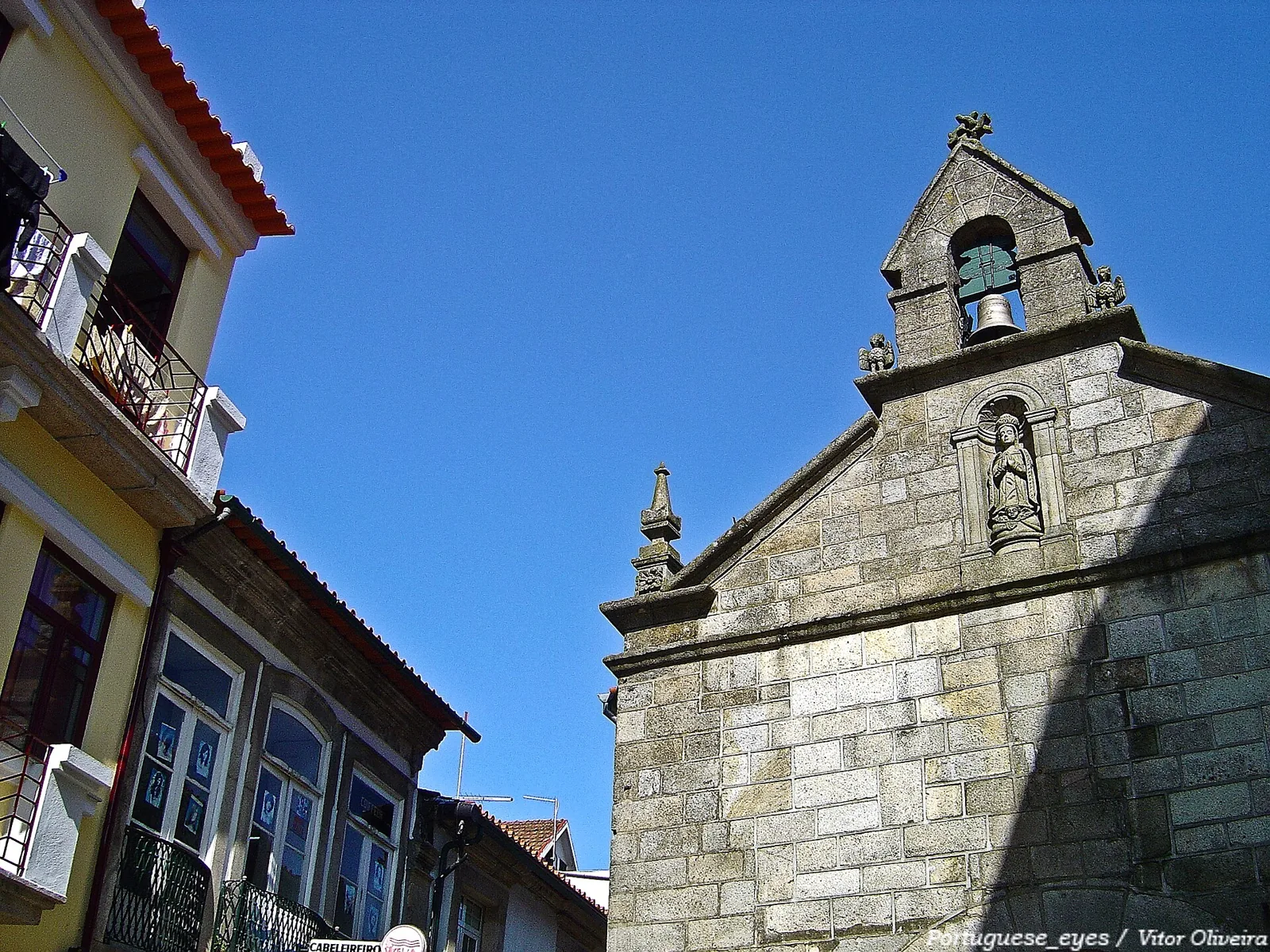
The historic centre of Vila Real is organised around Avenida Carvalho Araújo, the main artery of the old town, and the Vila Velha, the oldest quarter, on a promontory formed by the confluence of the Corgo and Cabril rivers. It keeps armorial houses, Manueline windows and traditional iron balconies; according to Wikipedia, it was these coat-of-arms façades that earned the city the name "Corte de Trás-os-Montes".
The settlement, then called Vila Real de Panóias, received its charter from King Dinis on 4 January 1289. This is the heart of the municipality of Vila Real.
The Sé Cathedral
The cathedral is the former church of the Dominican convent of São Domingos, founded in the 15th century by friars from Guimarães. King João I donated the land in 1421-1422 and building work began in 1424. It is a Gothic church with Baroque additions to the chancel and bell tower in the 18th century. The Diocese of Vila Real was created in 1922, the church was consecrated as a cathedral in 1924 and it was classified a National Monument in 1926.
Along Avenida Carvalho Araújo
The avenue, with pavements in Portuguese cobbles, was laid out in the early 20th century. Among the sights mentioned by Visit Portugal and other guides:
- Casa do Arco: a 15th-century building, formerly outbuildings of the Palace of the Marquises of Vila Real, with four twinned Manueline granite windows; Visit Portugal says the tourist office is housed there.
- Palace of the Marquises of Vila Real: it keeps its crenellations and a double Manueline window; the family lived there until 1641.
- Casa de Diogo Cão, on Rua Irmã Virtudes: a medieval house with an external staircase, linked to the navigator who reached the mouth of the Zaire in 1483.
- Statue of Carvalho Araújo, a naval officer killed in the First World War, by sculptor Anjos Teixeira.
Rehabilitation and museums
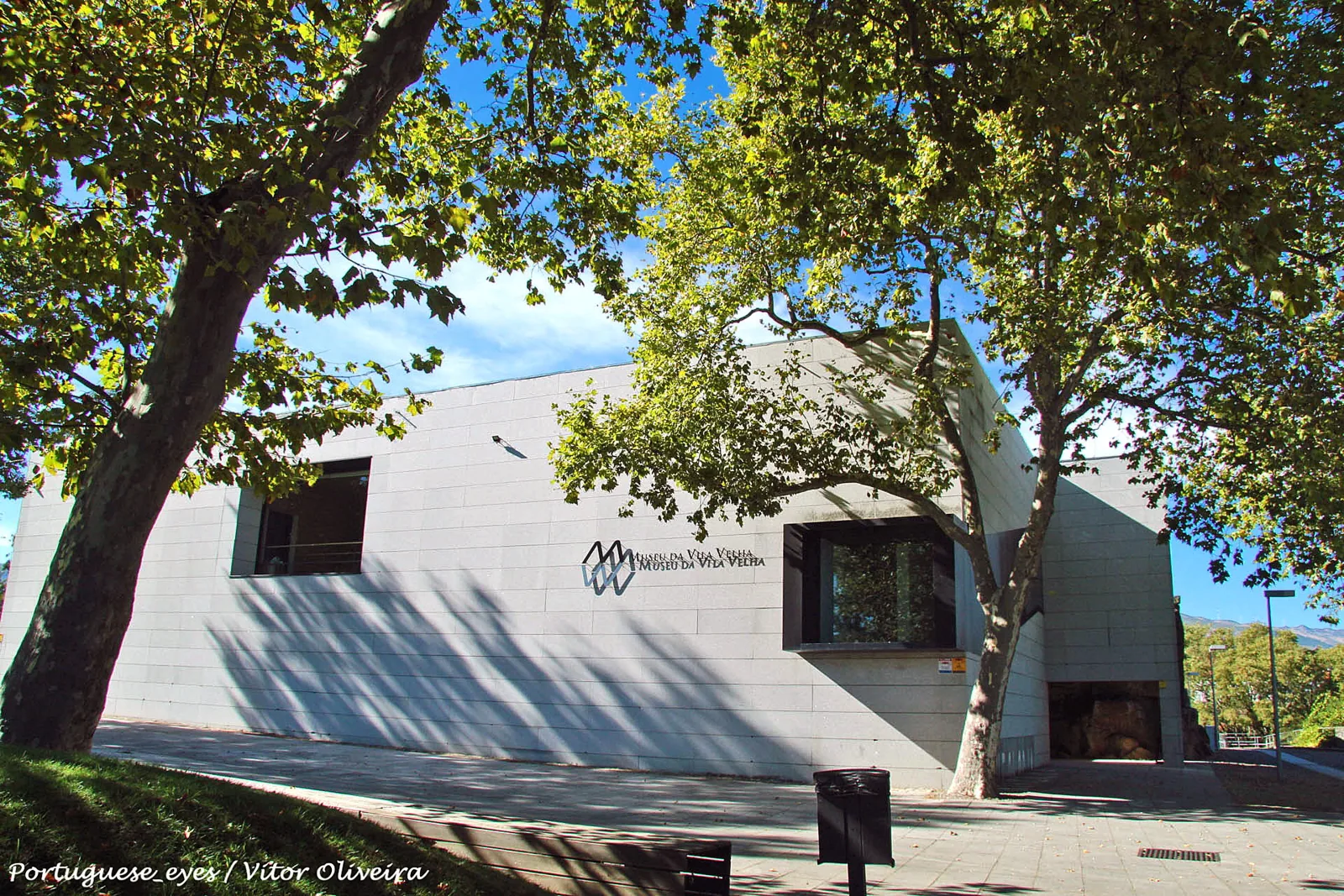
The urban rehabilitation area of the historic centre runs from Largo do Pioledo / Municipal Market in the north to the São Dinis cemetery in the Vila Velha in the south, covering about 55.67 hectares, according to the Câmara Municipal. The Vila Velha is also home to the Museu da Vila Velha. Outside the town, the municipality includes the Casa de Mateus.
Photos
Location
Reviews
No reviews yet. Be the first to write one.