Photo: FWinkel · CC BY-SA 4.0 · source
The Douro in Winter: What to Do from November to February
· Team Douro Vinhateiro
In winter the Douro works best with indoor, slow-paced plans: the Douro Museum in Régua, Pinhão station, Favaios, the Lamego sanctuary, quinta tastings and workshops, spas and a scenic drive. Boat trips are more limited, so always check timetables and operation before you book.
The Douro in winter is not a reduced Douro: it is a different one, calmer and more inward-looking. From November to February the plans that make sense are indoor ones (a museum, a railway station, quinta tastings, a spa), short outings and the road along the river. Boat trips and some outdoor activities depend on each season's operation, so check everything before you go.
This guide gathers what three operator and promoter sources describe for the cold season. Two date from 2018 and one from 2021, so treat timetables and conditions as starting points, not final information.
Is the Douro worth visiting in winter?
The sources agree: winter is the quietest time. One notes that the region is busiest from May to October and that outside that period places like Pinhão are more peaceful. Another mentions museums without queues and wine tastings that, because demand is lower, can be more personal.
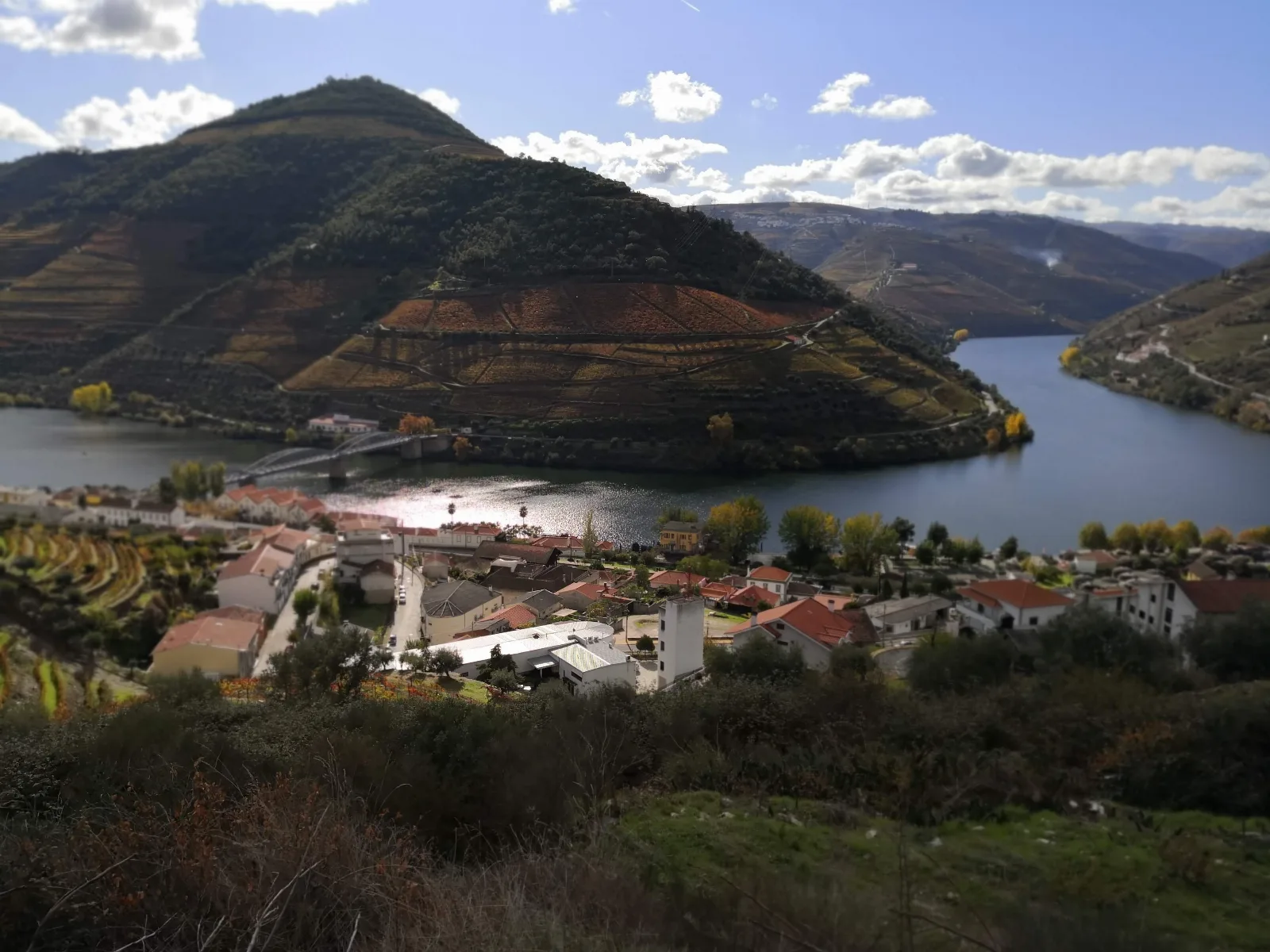
There is also the landscape: the same sources describe softer vineyard colours, bare trees and a white mist over the river. It is a less lush beauty than summer's, closer to what our guide Best time to visit the Douro, month by month describes for the cold months. What many people misjudge is the cold: Douro winters are described as quite harsh, so dress properly and plan fewer kilometres per day.
Do Douro cruises run in winter?
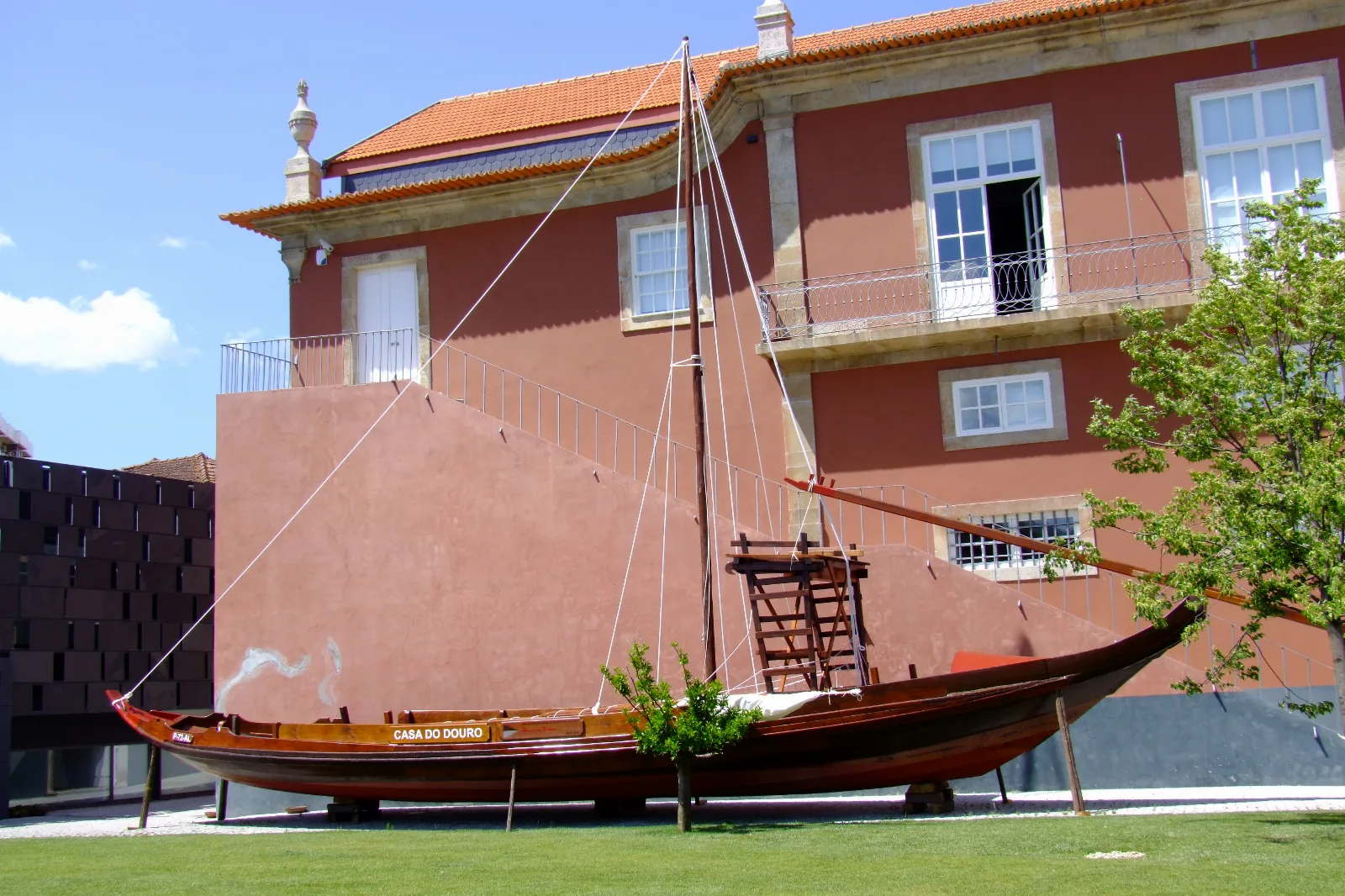
Fewer of them do. The Cruzeiros Douro source explains that in winter the dams close for maintenance and most cruises do not take place, but short boat trips remain, such as the rabelo-boat route between Pinhão and the Tua area, which passes Quinta do Seixo, where Sandeman's house port is made.
In Porto, the Bridges Cruise lasts about 50 minutes and, since it involves no dam, runs all year, according to the 2021 source. Winter timetables change from year to year, so check with the operator. For the wider picture, the guide Douro cruises: the best boat trips helps you compare.
Which indoor visits are worth it?
The natural starting point is the Douro Museum in Régua, housed since December 2008 in the restored building of the former Companhia Geral da Agricultura das Vinhas do Alto Douro. It has the permanent exhibition "Douro: Matéria e Espírito", temporary exhibitions, a restaurant, a wine bar and a garden terrace overlooking the river. One source gave daily opening from 10:00 to 17:30, but that was in 2018, so confirm on the museum's website. More detail in Museu do Douro in Régua.
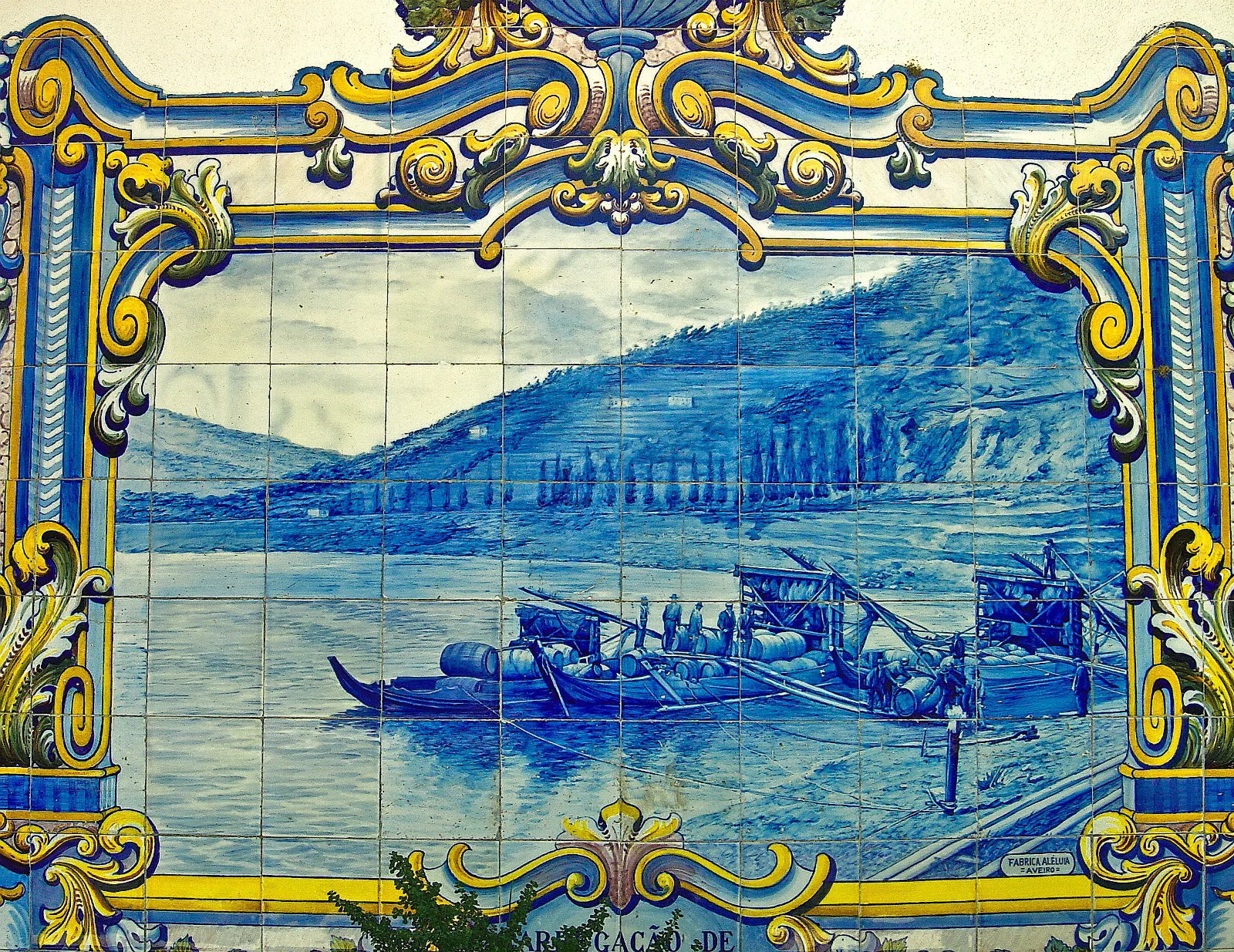
In Pinhão, the railway station deserves a close look: it began operating in 1880 and in 1937 it was decorated with 24 azulejo panels, restored in 2011, showing the grape harvest, the old foot-treading of grapes and barrels carried on rabelo boats. On a cold afternoon it fits easily alongside the rest of the village, which the itinerary Pinhão: what to do details.
In Favaios, the douro.com.pt source suggests the Bread and Wine Museum, devoted to Favaios bread and Moscatel, and the Quinta da Avessada Enoteca, where there is a guided Moscatel tasting. And in Lamego, the Sanctuary of Nossa Senhora dos Remédios has a 686-step stairway, which the same source suggests as a way to warm up on cold days, with the option to drive up instead. Afterwards, Bola de Lamego is the food tip.
Are there wine tastings and workshops in winter?
The sources say some quintas are open all year and that cold days suit wine tourism. Besides port tastings, they describe wine-blending workshops, where you make your own blend with winemakers' help, and cooking experiences, short sessions where you cook your own meal and choose the wine that goes with it. Not every quinta offers everything and conditions change, so book ahead and ask what is available on your date.
What does a winter drive in the Douro look like?
When the cold does not invite walking, the N222 is an alternative. According to the 2021 source, it links Vila Nova de Gaia to Almendra, is 226.3 kilometres long and crosses three UNESCO-listed sites; the Régua-Pinhão stretch, 27 kilometres along the river, is the best known. Our guide N222 route in the Douro has the detail. Small winding roads call for patience, especially in rain or low light, and short days mean finishing each leg earlier.
As an alternative to driving, the Douro line runs from Porto to Pocinho and, according to the source, shows landscapes the main roads do not reach, which in winter is a relaxed way to see the valley without driving.
Where to stay for a winter weekend?
Wellness hotels carry more weight in this season. The douro.com.pt source highlights Six Senses Douro Valley, in Lamego, whose spa includes massages and a walking programme through the five-hectare woodland around the hotel, and Lamego & Life, with a wellness area and jacuzzi. If you prefer a wine-estate stay, Quinta da Pacheca, in Cambres, is described as a property with about three centuries of history and rooms shaped like wine barrels. For a broader look at spas, see Spa hotels in the Douro.
How do you plan two winter days without wasting time?
A simple logic: one base day in Régua and Pinhão, with the museum in the morning, the station and lunch in Pinhão, and a pre-booked quinta tasting late in the afternoon; and a second day for Lamego and Favaios, with the sanctuary and a tasting or museum stop. Leave room for rain, mist and reduced opening hours, and avoid plans that depend on dams or long outdoor stretches.
Before leaving, check three things: museum and quinta opening hours, cruise operation, and the weather forecast for the roads. The sources used here date from 2018 and 2021, and each venue's official information always prevails.
Frequently asked questions
Is the Douro worth visiting in winter?
Yes, if you accept the cold and short days. The sources we used describe winter as the calmest time, with fewer people in museums and more personal tastings at the quintas.
Are there Douro cruises in winter?
Fewer than in summer. One operator source says the dams close for maintenance and most cruises do not run, but short trips remain, such as the Bridges Cruise in Porto, which does not pass through any dam. Always check with the operator.
What can you do in the Douro when it rains?
The Douro Museum in Régua, the Bread and Wine Museum and the Quinta da Avessada Enoteca in Favaios, quinta tastings and workshops, and hotel spas. Pinhão station is also a short visit.
Are the quintas open in winter?
According to the sources, some are open all year, but conditions vary. Book ahead and confirm opening times, as these sources date from 2018 and 2021.
How do you get to the Douro in winter?
By car, on small winding roads that call for patience, or by train on the Douro line between Porto and Pocinho, which shows stretches the main roads do not.