Photo: Igor Passchier / Pexels · source
Monuments and churchesPinhão Railway Station
Pinhão
Contacts and location
- Coordinates
- 41.19041, -7.54513 · see on map
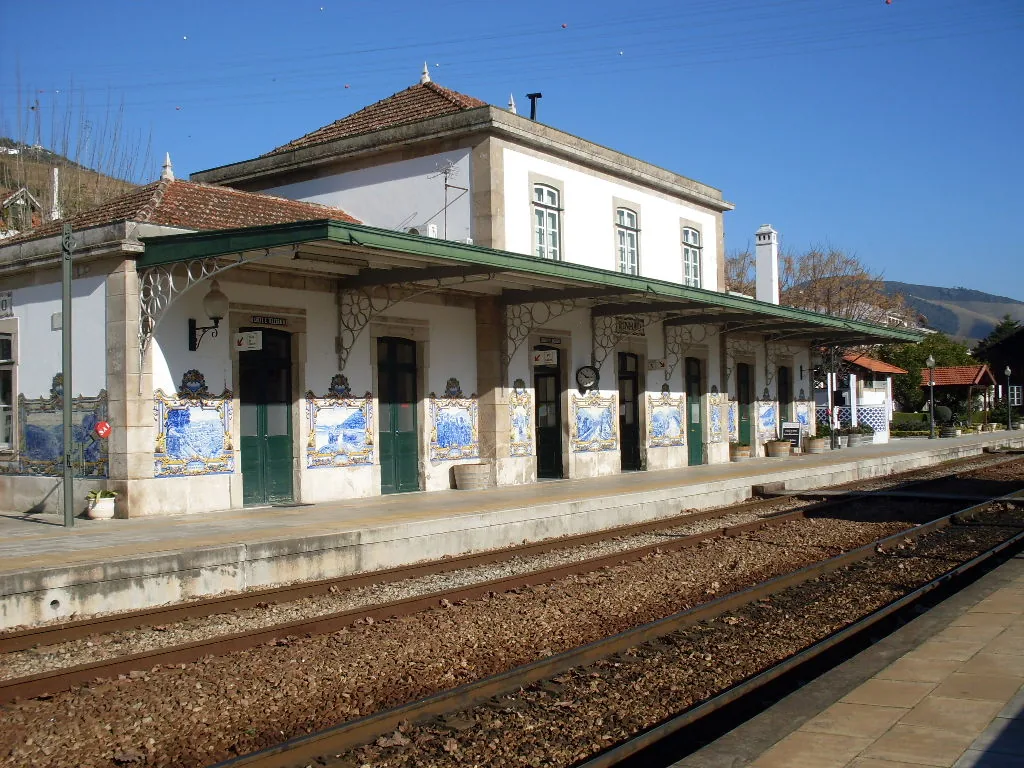
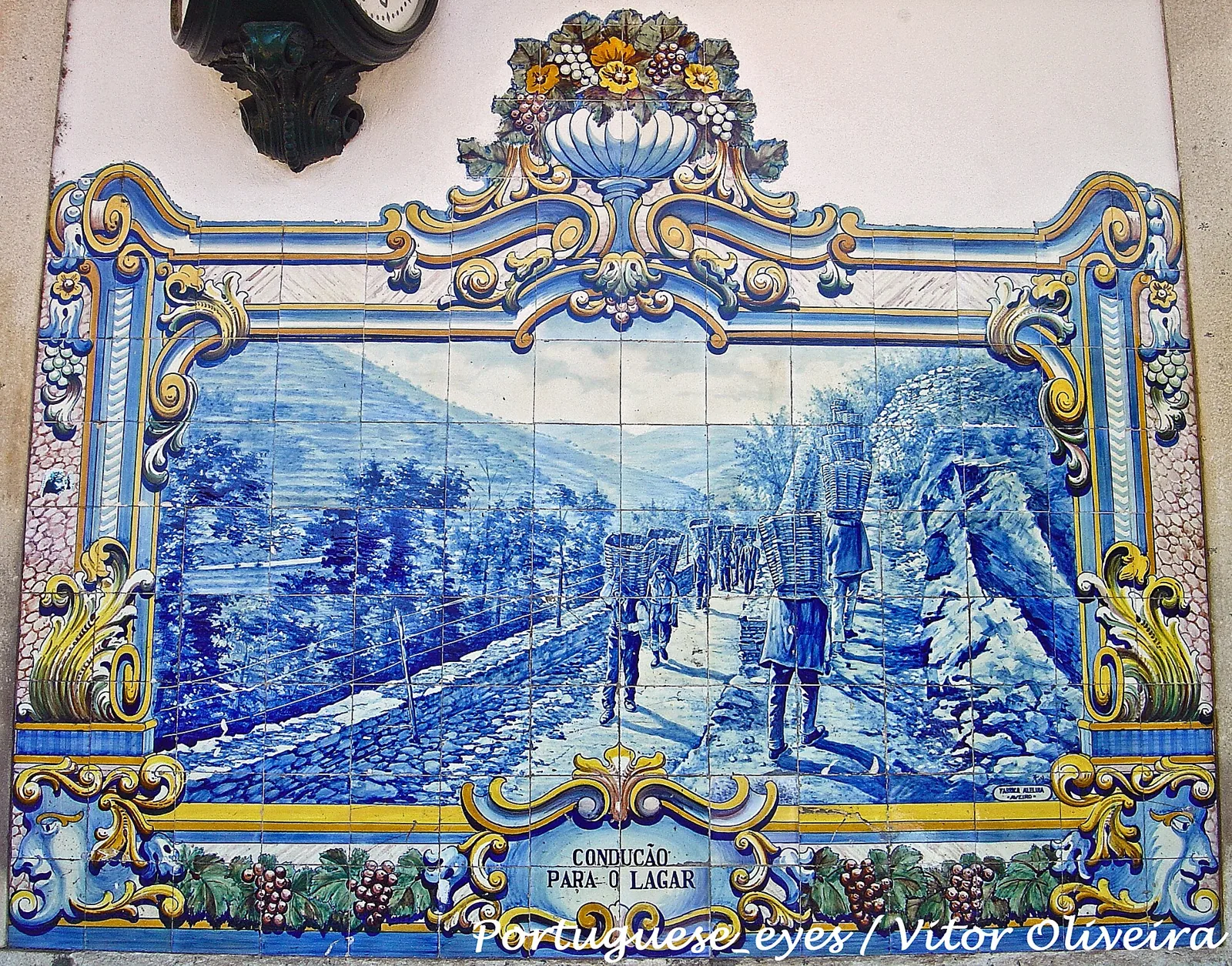
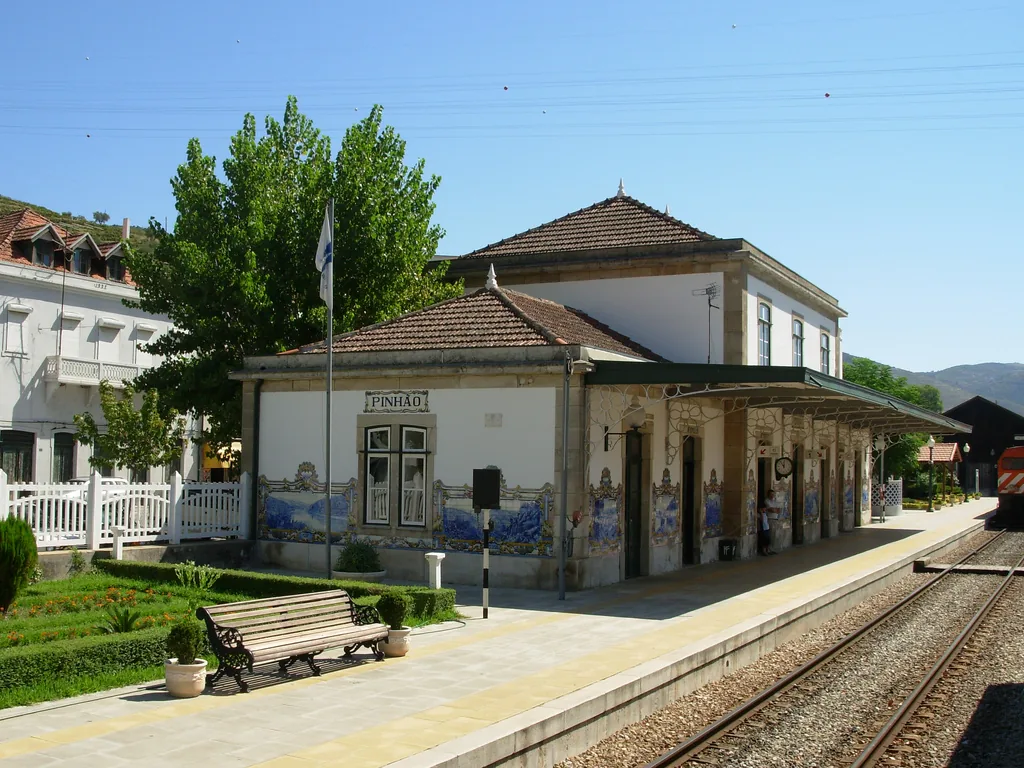
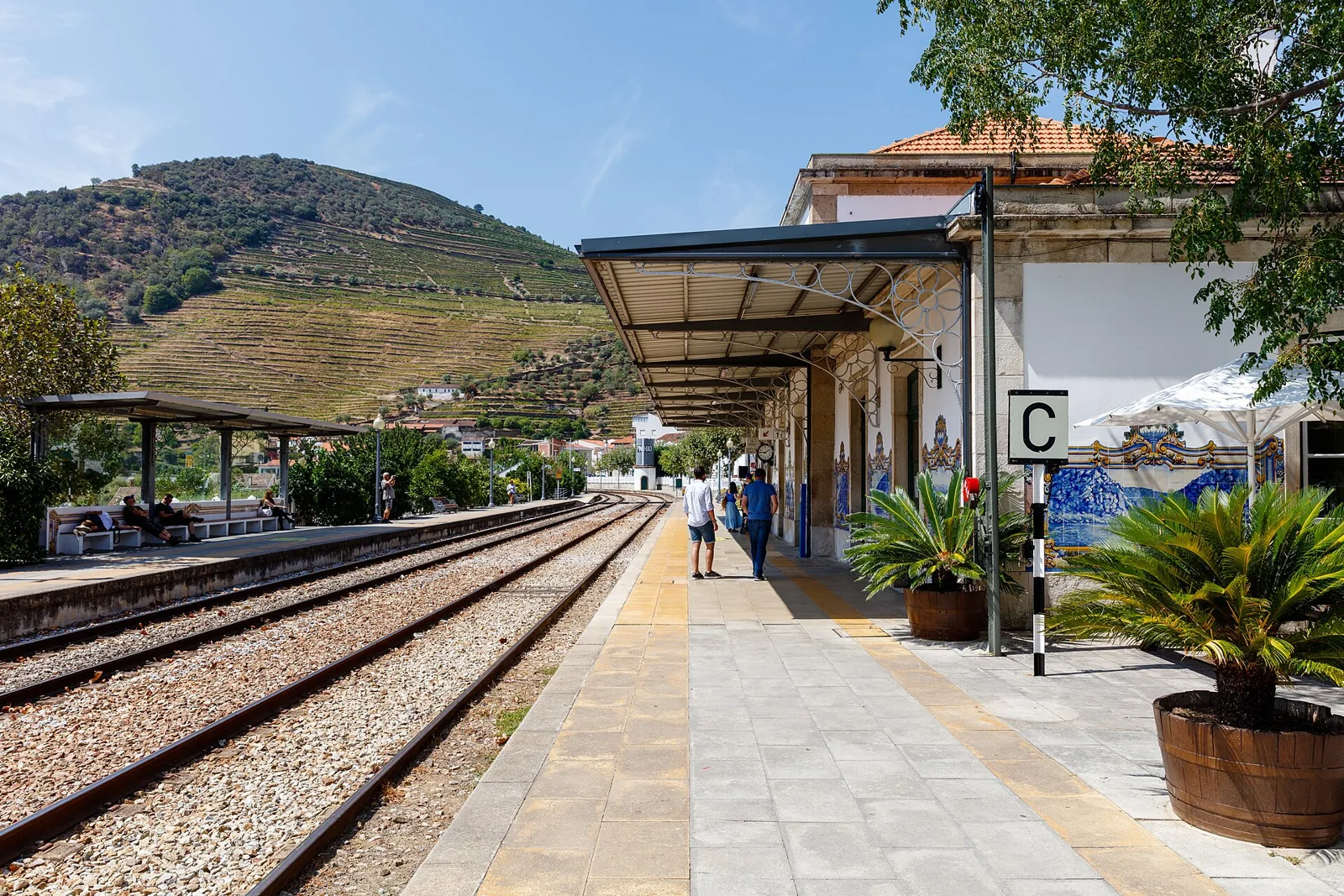
Pinhão railway station, on the Douro Line, stands in Pinhão in the municipality of Alijó, in the heart of the Douro Demarcated Region (the Alto Douro Wine Region, a UNESCO World Heritage site). It is best known for the azulejo tile panels that cover the walls of the main building and made it famous.
The railway reached Pinhão in 1879 and the section up to the village opened for service on 1 June 1880; the extension to Tua was completed on 1 September 1883. Today the station is managed by Infraestruturas de Portugal.
The 1937 azulejos
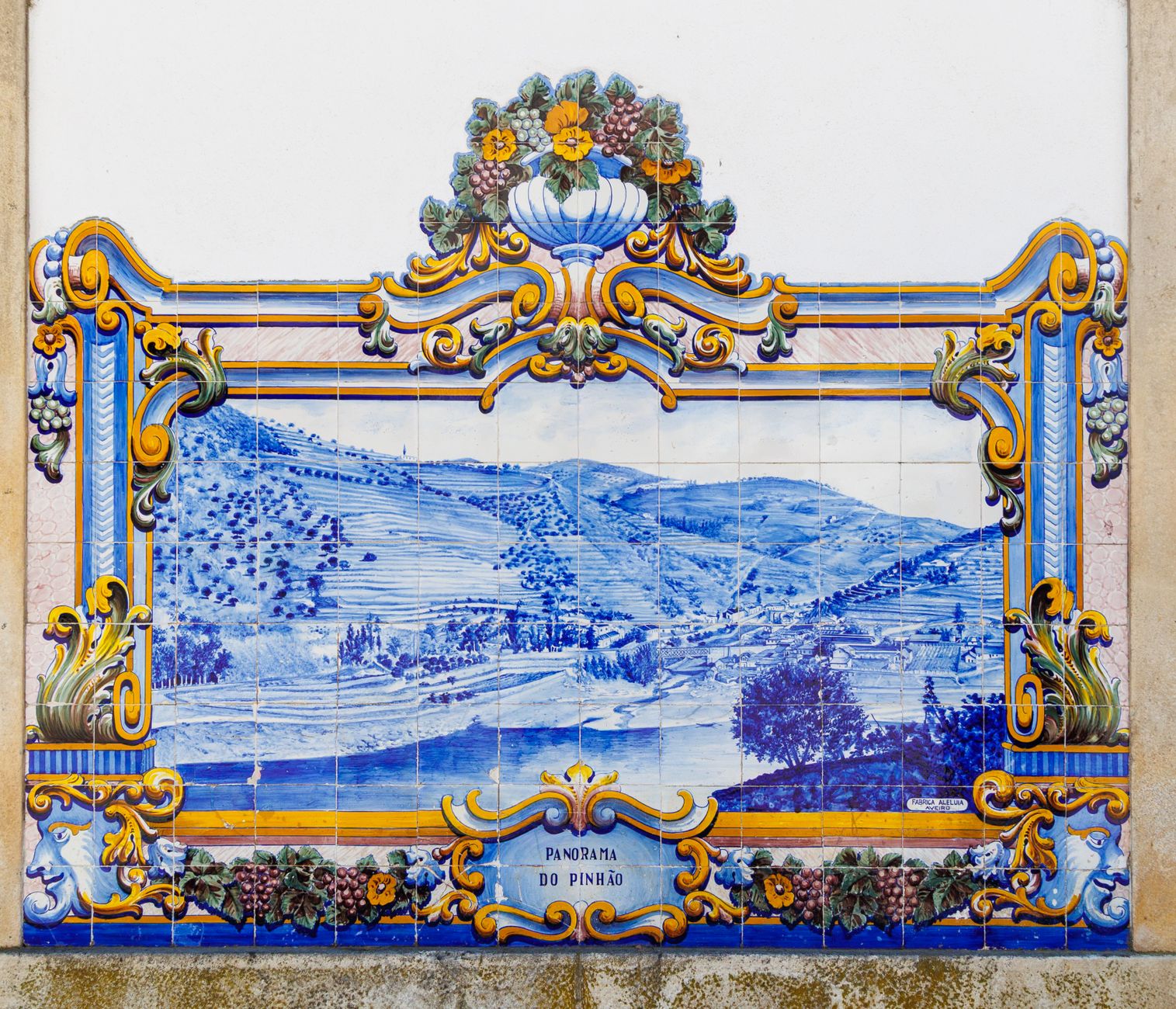
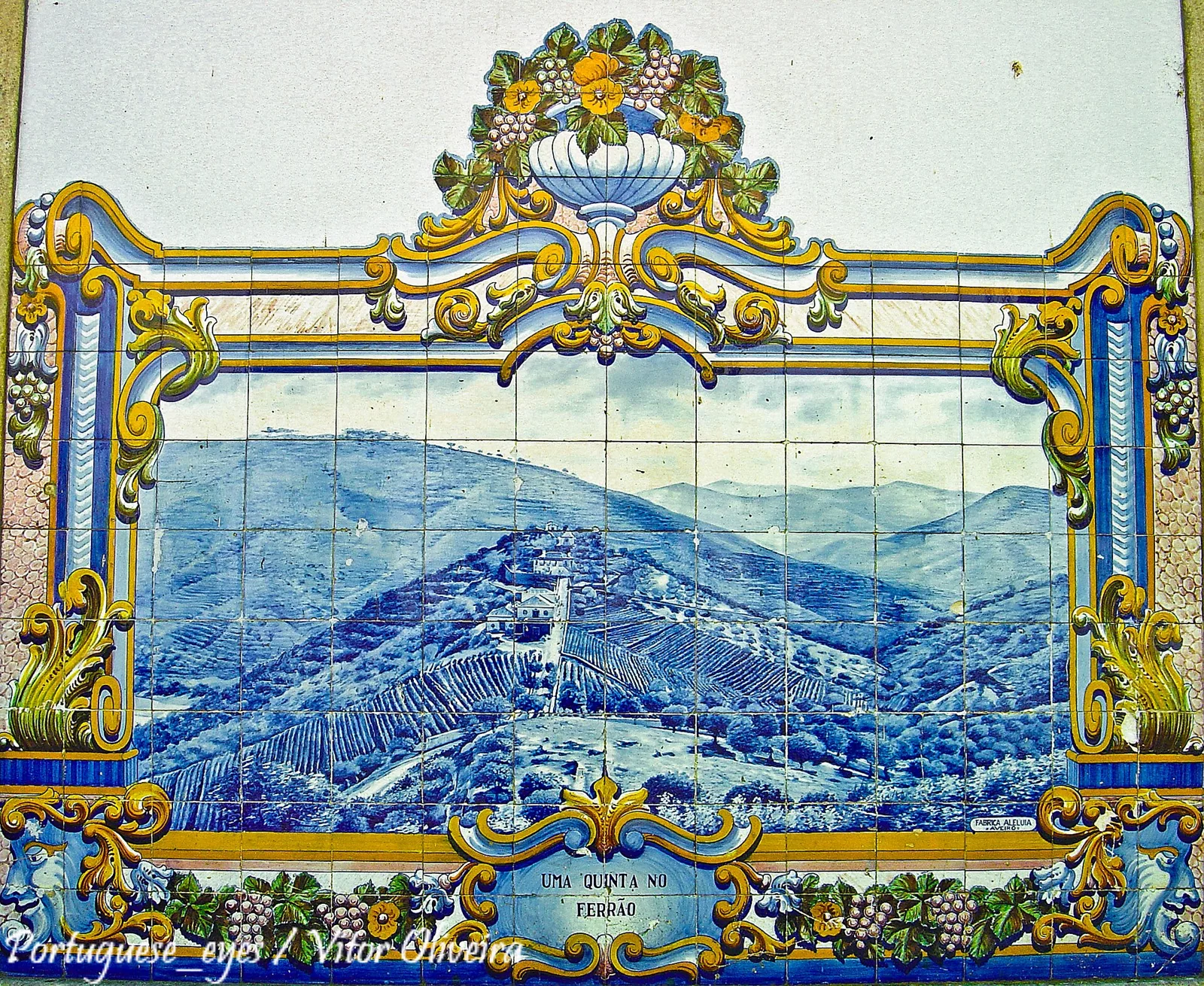
The tiles were donated in 1935 by the Port Wine Institute and installed in 1937. There are 24 panels with around 3,000 tiles (the manufacturer speaks of approximately 3,047), produced by the Aleluia factory in Aveiro. According to Wikipedia they were designed and painted by João Marques Oliveira and Lourenço Rodrigues Limas; Aleluia itself credits J. Oliveira.
In shades of blue, the panels show stages of Port wine production: the grape harvest, the treading of the grapes and the transport of the wine on rabelo boats along the Douro to the cellars of Vila Nova de Gaia. They cover almost the whole surface of the main building. The rehabilitation of the panels received the SOS Azulejo Conservation and Restoration Award in 2013.
The building
The passenger building is rectangular, with a two-storey central section and two single-storey side wings, and a metal canopy supported by eight iron brackets. The station garden has been recognised in the Estações Floridas (Flowering Stations) competition.
Visiting
The station is served by CP Regional and InterRegional trains; please check timetables with CP. To explore the village and its surroundings, see also Pinhão.
Photos
Location
Reviews
No reviews yet. Be the first to write one.