Photo: Michael Gaylard from Horsham, UK · CC BY 4.0 · source
Port Wine for Christmas 2026: which category to pour at each point of the meal
By Rui Costa
There is no single Christmas Port. The IVDP suggests White Port or a 10-year Tawny as an aperitif, LBV or a chilled 10-year Tawny with cheese and roasts, and a 20-year-or-older Tawny, or a Colheita, with dessert and coffee. Old Vintage is drunk on its own after careful decanting. Read the category on the label and serve at the right temperature.
For the Christmas table in 2026 you do not need one Port, you need three well-chosen moments. According to the "Choosing and enjoying" guidance of the Instituto dos Vinhos do Douro e do Porto (IVDP), White Port or a 10-year Tawny opens the meal, LBV or a chilled Tawny goes with cheese and meat, and a Tawny of 20 years or more, a Colheita or an old Vintage is kept for dessert and coffee. We consulted the IVDP pages in early November 2026; the categories, temperatures and timings below are the ones the institute publishes.
Which Port categories exist and what does the label tell you?
The label states the category, and that is where choosing starts. The IVDP separates two broad styles. Ruby-style Ports (Ruby, Ruby Reserva, LBV, Crusted and Vintage) keep the fruity character of youth. Tawnies age in wood and, in the institute's words, are ready to be drunk from the moment they are bottled.
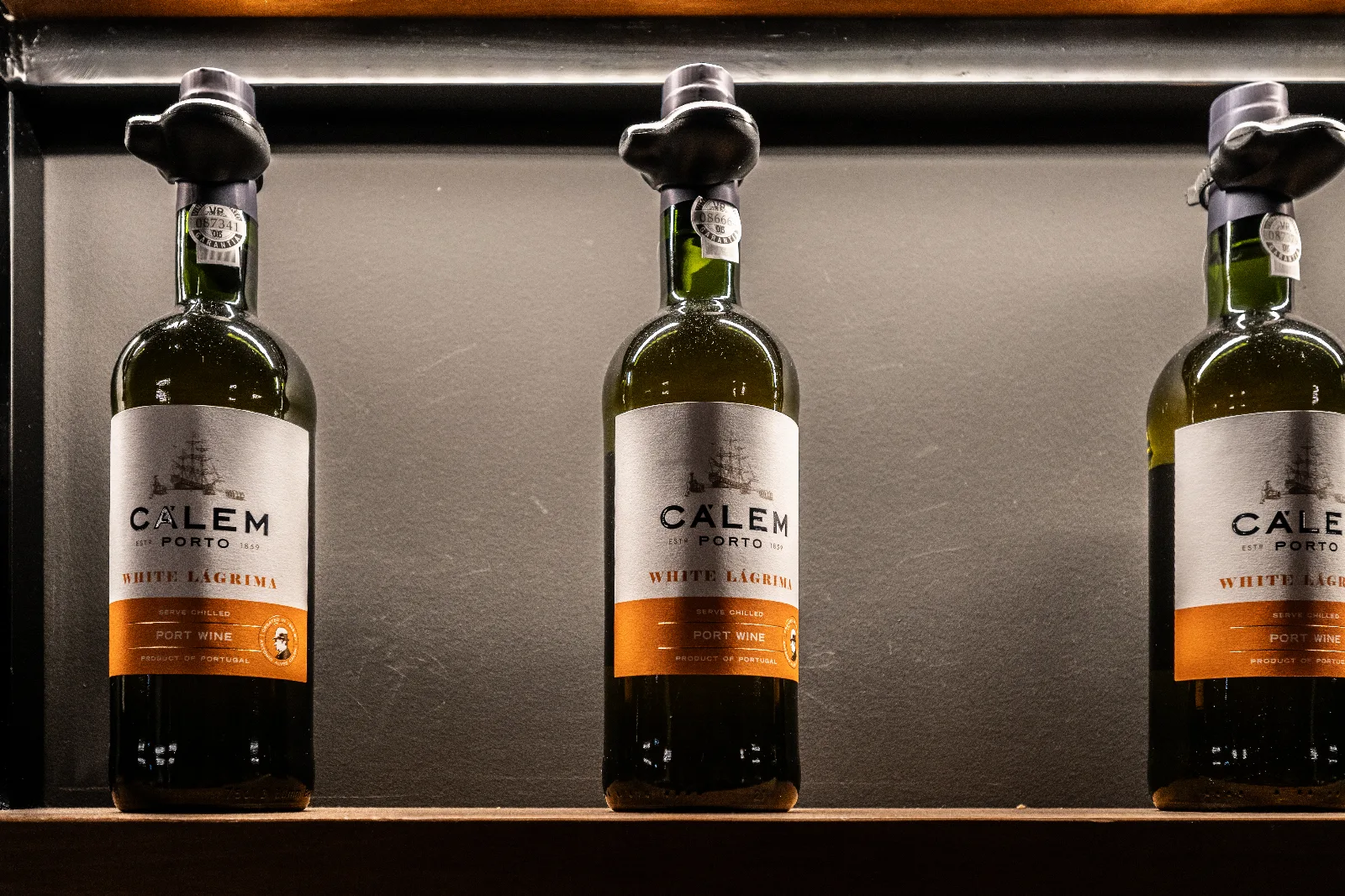
- White Port: includes modern whites and traditional, more oxidative whites, plus aged whites (10, 20, 30 and 40 years).
- Rosé Port: meant to be drunk young.
- Tawny, Tawny Reserva and aged Tawny: 10, 20, 30 and 40 years; the IVDP introduction page also mentions 50 years.
- Colheita: a single-vintage Tawny aged in cask for at least seven years.
- LBV: a single-year Ruby bottled after four to six years in wood.
- Vintage: a single year, bottled two to three years after harvest and the only Port that ages in the bottle.
- Crusted: a blend kept in bottle for at least three years before it is sold.
For more detail on these differences, our piece on Ruby, Tawny, Vintage, LBV and Colheita styles covers each one. Here the focus is the table.
Which Port to serve before, during and after the Christmas meal?
The IVDP logic follows the moments of the meal, not brands. You can use it as a running order for Christmas.
- Before the meal: White Port with toasted almonds, smoked salmon, or dried plums and dates. The institute also suggests the "PORTONIC", made with dry White Port, tonic water, ice and lemon. A 10-year Tawny, chilled or on ice, goes with pâté.
- During the meal: chilled 10-year Tawny with strong cheeses, pâtés and nuts; LBV with roasts and steaks in intense pepper or spiced sauces.
- After the meal: an old Vintage is drunk on its own, after careful decanting. A Tawny of 20 years or older goes with coffee; 30 and 40-year-plus Tawnies can be served slightly chilled. Colheita goes with desserts chosen to match its age.
If fish and seafood are on your table, there is another angle: see seafood and Port, the unlikely pairing that works.
Which Port goes with each Christmas dessert?
The IVDP links desserts and categories quite specifically. The Christmas names below are only our own examples of the same family of sweets, not institute recommendations.
- Chocolate cakes and mousses: LBV or a young, fruity Vintage.
- Convent-style sweets of egg and sugar: 10 or 20-year Tawny. Follow the IVDP's logic for this type of sweet; it can be a clue for rabanadas (Portuguese French toast), aletria (sweet vermicelli) or the richer slices of bolo-rei.
- Fruit salad, milk pudding or almond tart: a younger Tawny (Reserva or 10 years), served cold.
- Vanilla ice cream or nuts: cold Tawny.
- Cheesecake or medium-intensity soft cheeses: Ruby Reserva or LBV.
- Stronger, harder cheeses: an older Tawny, such as a 20-year.
What temperature should each category be served at?
The most common Christmas mistake is serving everything at the temperature of a heated room. The IVDP indicates:
- Rosé Port: 4 °C;
- White Port: 6 to 10 °C;
- Tawny: 10 to 14 °C;
- Ruby: 12 to 16 °C.
In practice, take the White and the Tawny out of the fridge some time before serving and the Ruby a little later, without leaving it to warm beside the fire or a radiator. For an old Vintage the institute speaks of careful decanting, because sediment forms in the bottle.
How long does a bottle last once opened?
This decides how many bottles to buy. Following the IVDP guidance for opened bottles:
- Vintage: one to two days;
- LBV and Crusted: four to five days;
- Ruby and Ruby Reserva: eight to ten days;
- modern White Port: eight to ten days; traditional oxidative White: 15 to 20 days;
- Tawny and Tawny Reserva: three to four weeks;
- aged Tawny (10, 20, 30, 40), aged White and Colheita: one to four months.
If the table is big and the bottle will be empty in one evening, a Vintage or an LBV makes sense. If you plan a small glass a day until New Year, a Tawny or a Colheita holds up better.
What is new in 2026 for anyone buying Port this Christmas?
The IVDP marked Port Wine Day 2026 with a Vintage Tasting on 11 September in Porto, with more than 60 wines from the 2024 Vintage, which the institute describes as "declarations of a classic year". The event is over, but it is useful context: 2024 Vintage is on the market, and it is a wine designed to age in bottle, so treat it as a Port to keep rather than to open without thought. We name no brands and no prices: the label and the category are the starting point.
Where can you taste in the Douro before buying?
If you are in the Douro before the holidays, a quinta or cellar lets you taste several categories side by side. Our guide to wine tasting in the Douro helps you read what is in the glass, and the best Port wines to buy in the Douro in 2026 collects buying ideas. Peso da Régua and Pinhão are natural bases; Quinta da Pacheca and the Museu do Douro can be part of the route. Opening hours, bookings and December availability change: confirm with the organiser, meaning the quinta or museum itself, before setting out.
In short: choose by moment of the meal, serve at the stated temperature, plan around the after-opening timings and leave the old Vintage for those who know how to wait and decant.
Frequently asked questions
Which Port is best with Christmas dessert?
It depends on the sweet. According to the IVDP, chocolate cakes and mousses suit LBV or a young, fruity Vintage; convent-style sweets made with egg and sugar suit a 10 or 20-year Tawny; lighter, fresher desserts suit a younger Tawny served cold.
What temperature should Port be served at?
The IVDP gives 4 °C for Rosé, 6 to 10 °C for White, 10 to 14 °C for Tawny and 12 to 16 °C for Ruby. A 10-year Tawny can go to the table chilled, even on ice, with pâté.
How long does Port last once opened?
As IVDP guidance: Vintage one to two days; LBV and Crusted four to five days; Ruby and Ruby Reserva eight to ten days; Tawny and Tawny Reserva three to four weeks; aged Tawny, Colheita and aged White one to four months.
Can I keep a Christmas Port for years?
Only Vintage evolves in the bottle, says the IVDP. Tawnies are ready to drink once bottled and Rosé is meant to be drunk young. For long keeping, look for a Vintage and check how it will be stored.
Where can I taste before buying?
At a quinta or cellar in the Douro, where several categories can be tasted side by side. Always confirm opening hours and bookings directly with the producer, as they change through the year.