
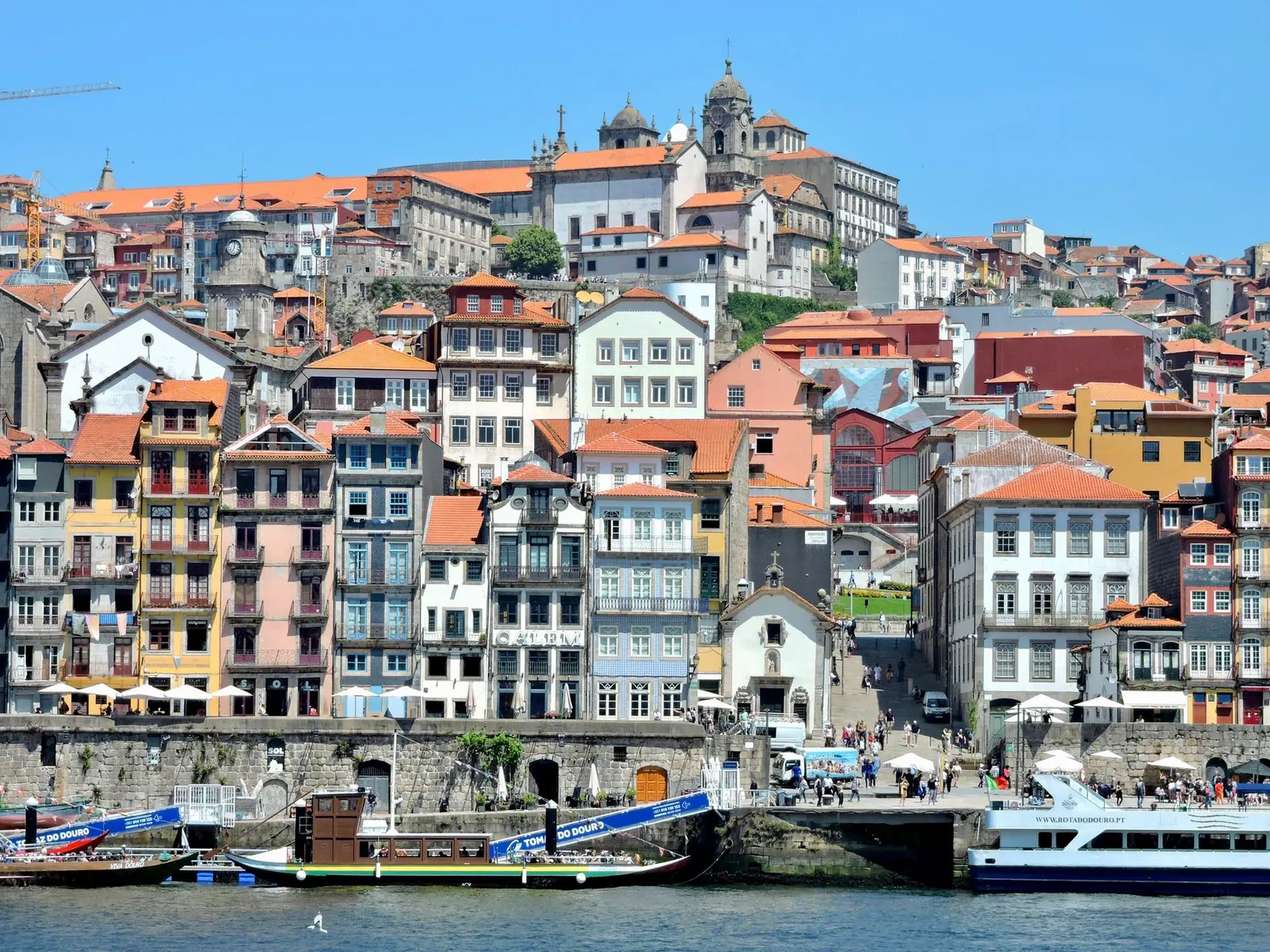
Photo: Rafael Rodrigues / Pexels
Hotels in Porto
21 places to stay in Porto · average guest rating 9.0/10



Things to see in Porto
About Porto
Porto is a city and municipality in northern Portugal, in the Porto district, where the Douro river meets the Atlantic Ocean. It has about 232,000 residents (2021 Census), covers 41.42 km² and has seven parishes. To be clear from the start: Porto is not part of the demarcated Douro wine region or of the Alto Douro Vinhateiro, which lie upriver. It is, however, the natural gateway to the valley, and the place where many travellers arrive, stay a night or two and then head inland.
The city works well as a starting point: it has Francisco Sá Carneiro Airport, a metro and CP rail services, and the Douro Line trains leave from Porto São Bento. The link with wine is direct: Port wine is produced in the Alto Douro but ages in the cellars of Vila Nova de Gaia, on the opposite bank of the river.
What to see and do in Porto
The Historic Centre of Porto, the Luiz I Bridge and the Serra do Pilar Monastery were inscribed on the UNESCO World Heritage List in 1996 (the monastery stands on the other bank, in Vila Nova de Gaia). Reference points in the historic centre include:
- the Ribeira, the district of traditional architecture beside the Douro;
- the Sé do Porto (cathedral), on the hill where, according to the municipality, the city's first nucleus formed;
- the Clérigos Church and Tower;
- the Palácio da Bolsa and the Church of São Francisco;
- the São Bento Station;
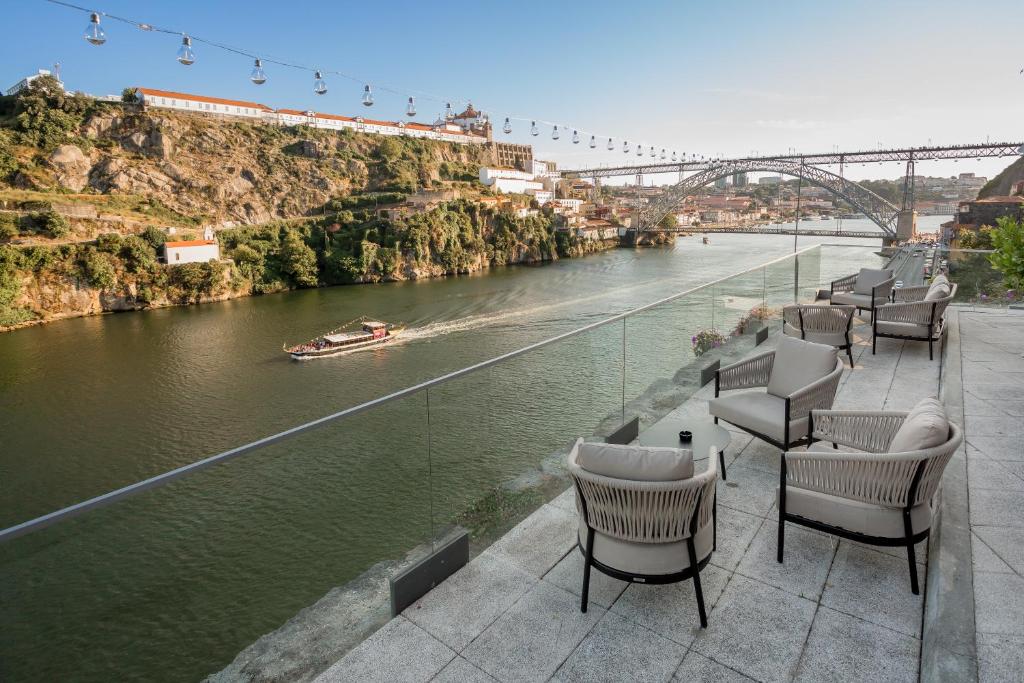
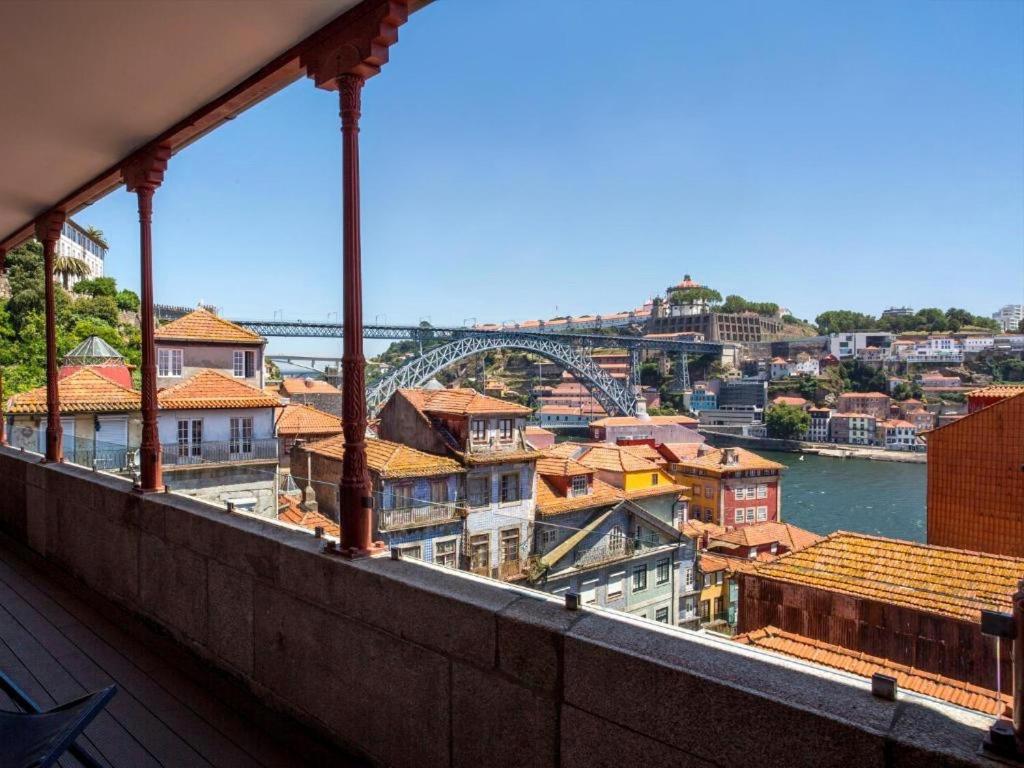
- the Luiz I Bridge, linking Porto with Vila Nova de Gaia.
Outside the listed core, the Casa da Música and the Livraria Lello are other landmarks of the city.
Port wine and local food
To visit the Port wine cellars, cross the bridge to Vila Nova de Gaia. In the city's cooking, tripas à moda do Porto (tripe) and the francesinha stand out, two specialities closely associated with Porto.
From Porto to the Douro
CP's Douro Line trains leave from Porto São Bento and run to Pocinho, calling at Marco de Canaveses and reaching Peso da Régua. According to the sources consulted, the full journey to Pocinho takes over three hours. CP states that normal service between Porto São Bento and Pocinho resumed in April 2026 and that some trains may be replaced by a bus between Marco de Canaveses and Régua, so always check the current timetable.
When to go
The São João do Porto festival is held on 23 and 24 June, with sardine dinners and street celebrations. Outside those dates Porto can be visited all year round; trips up the Douro depend on train and boat timetables.
Where to stay
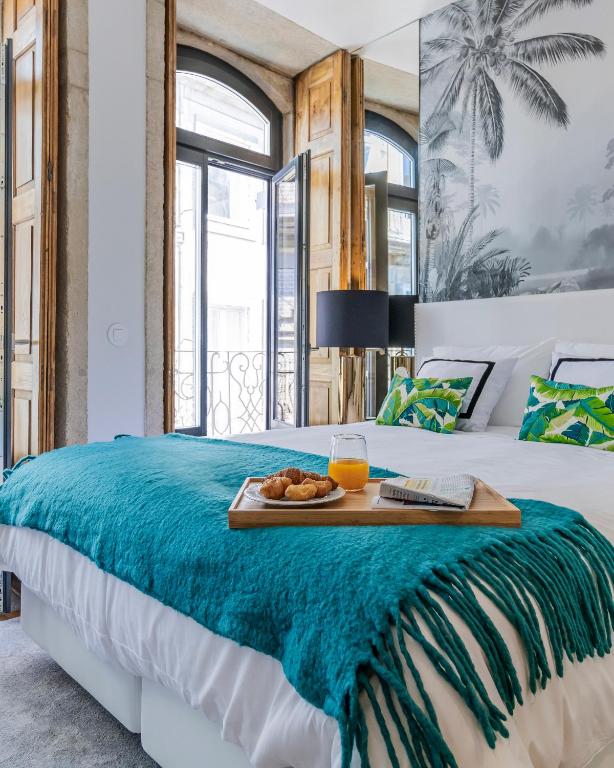
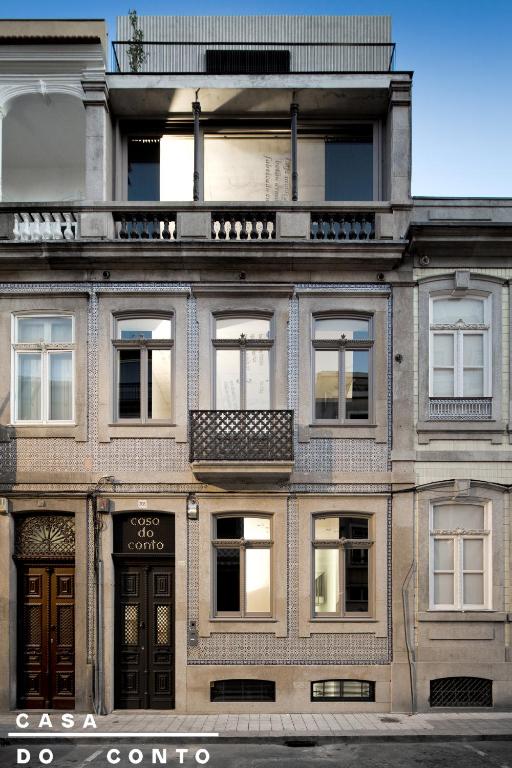
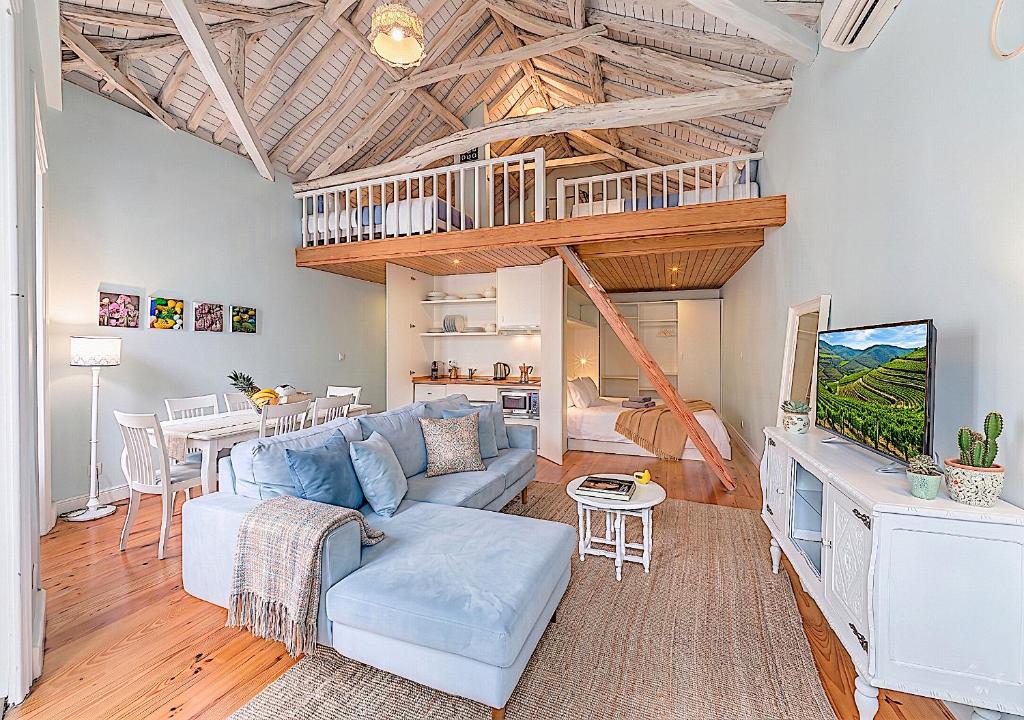
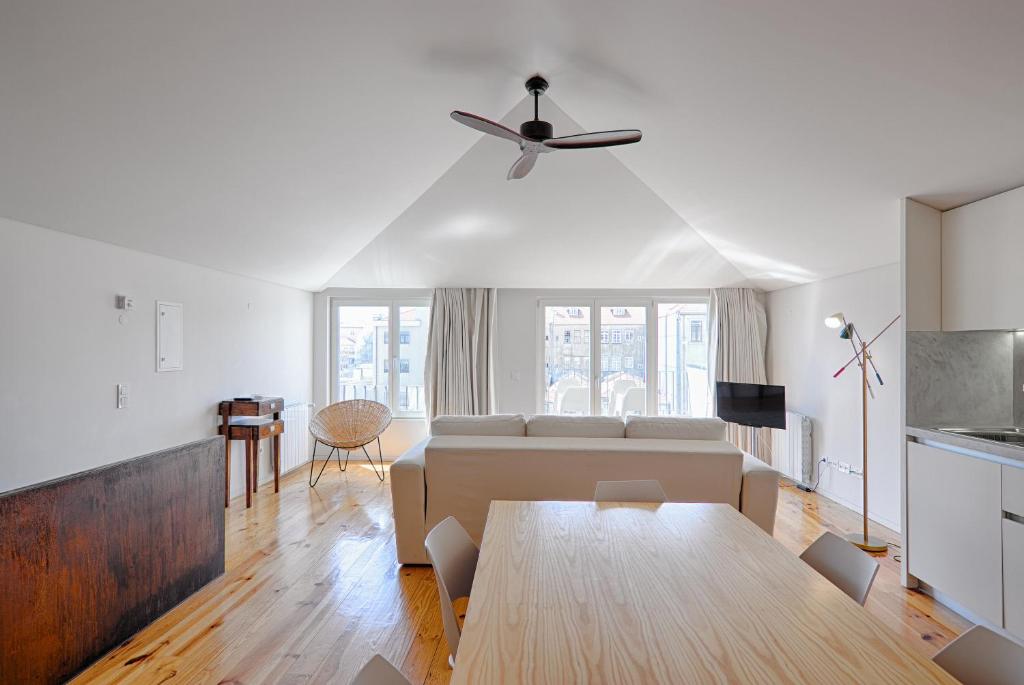
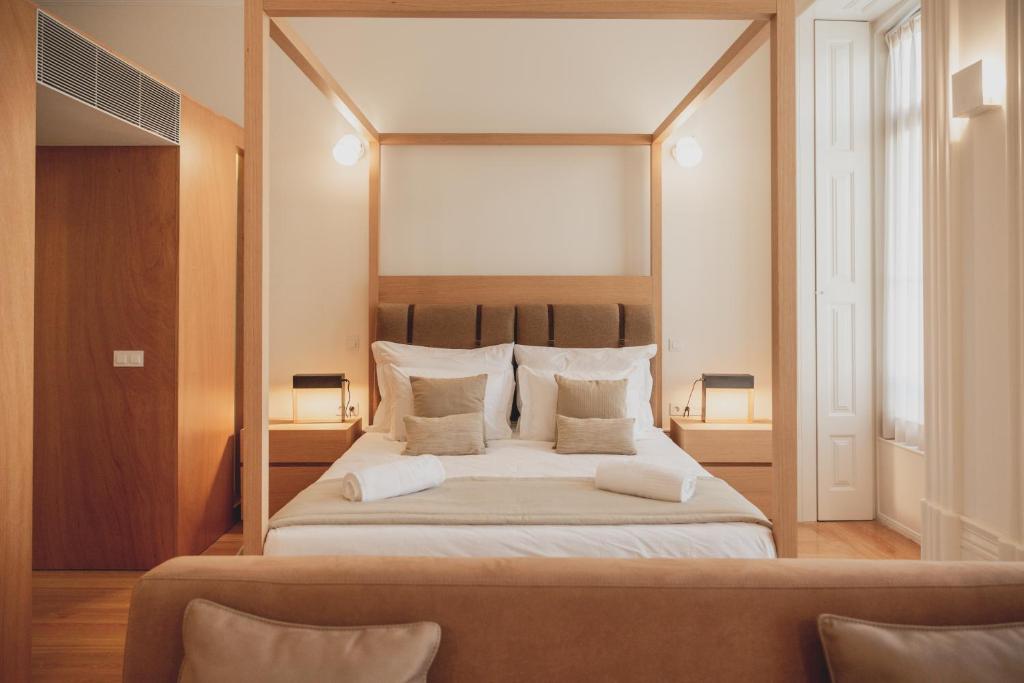
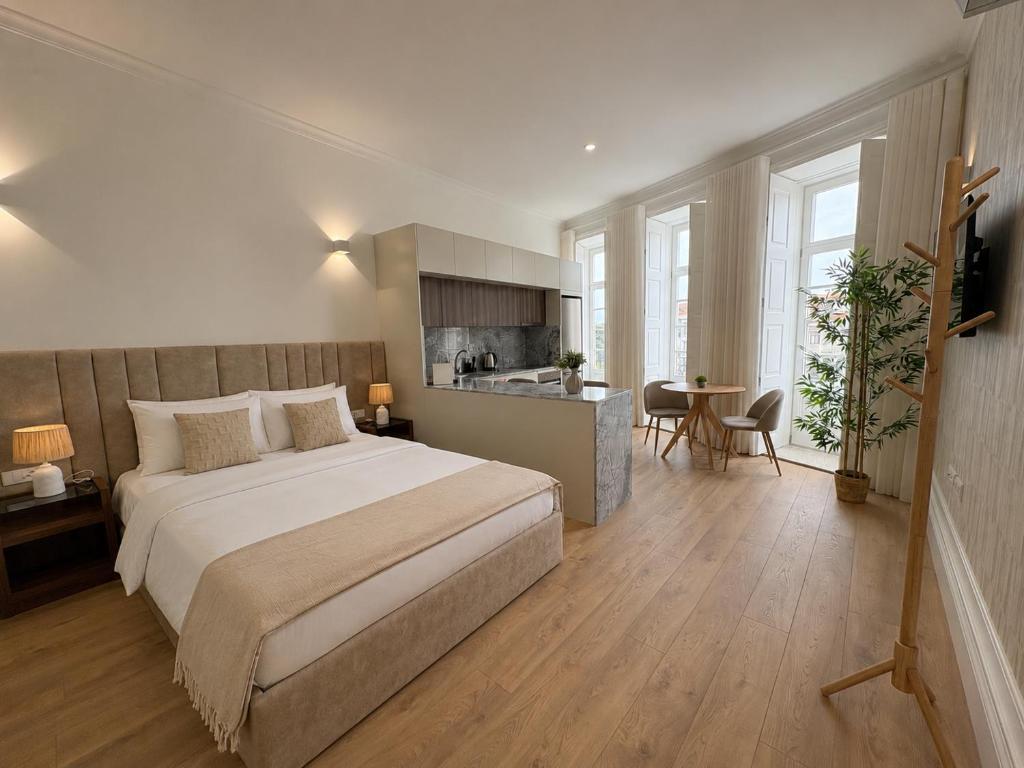
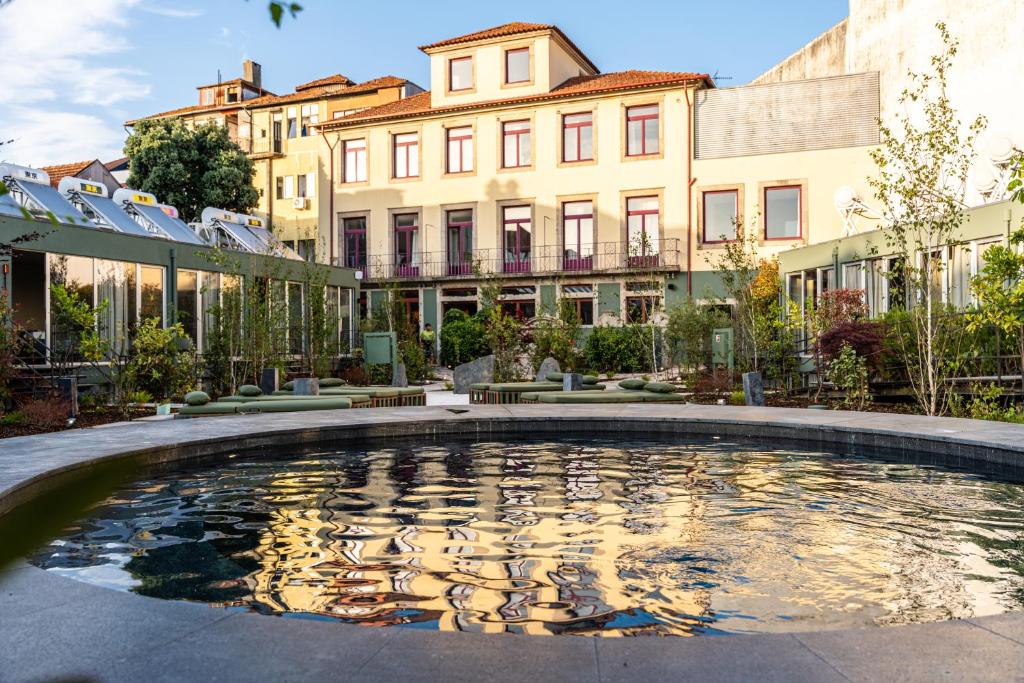
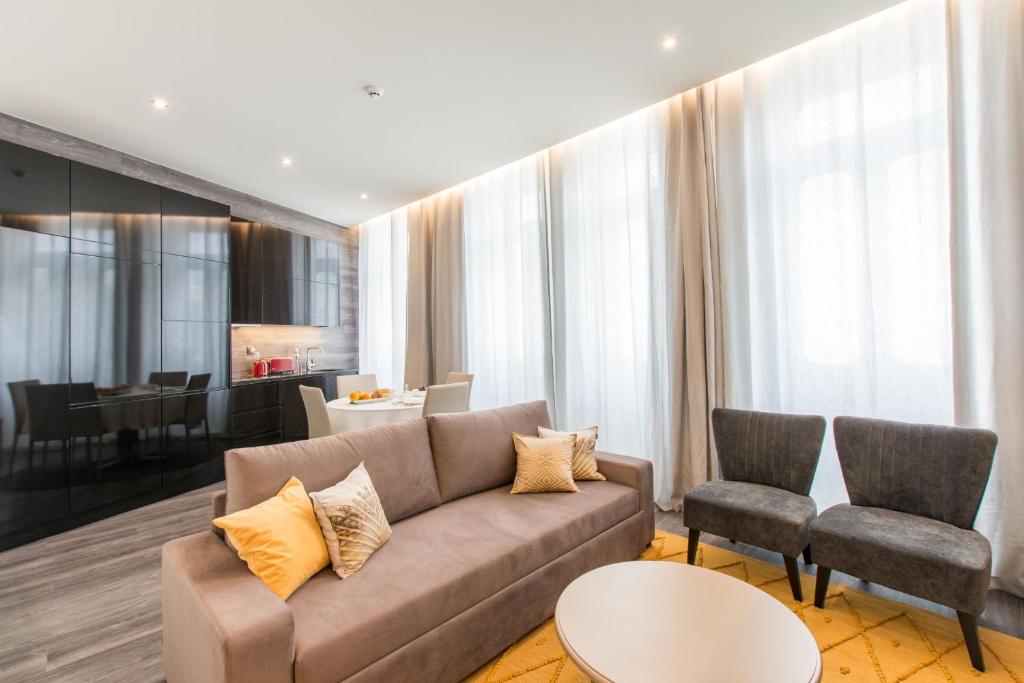
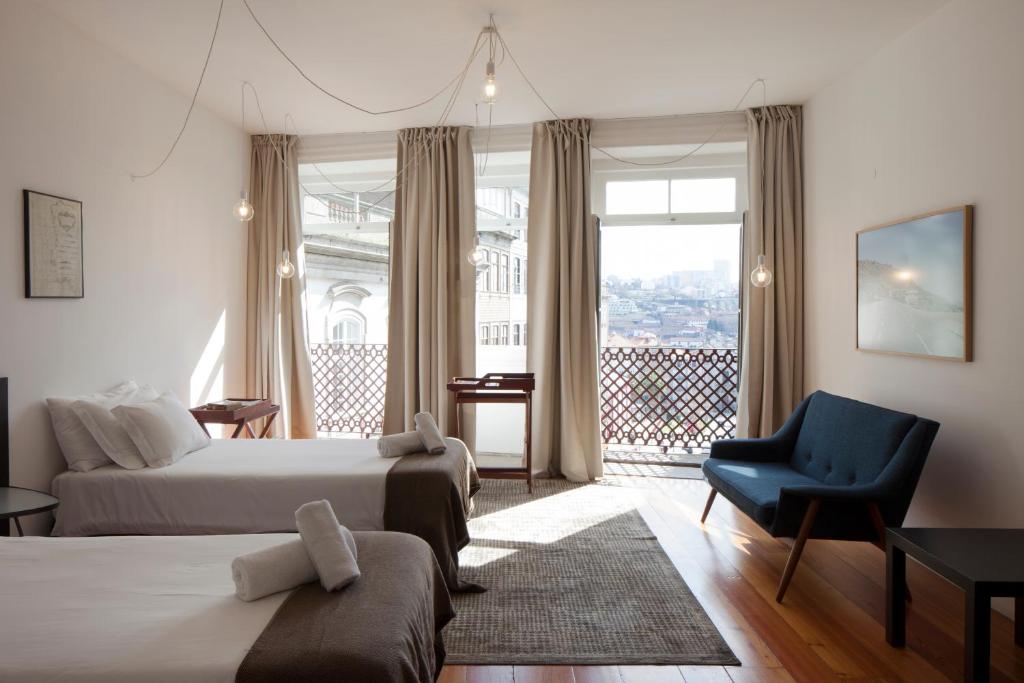
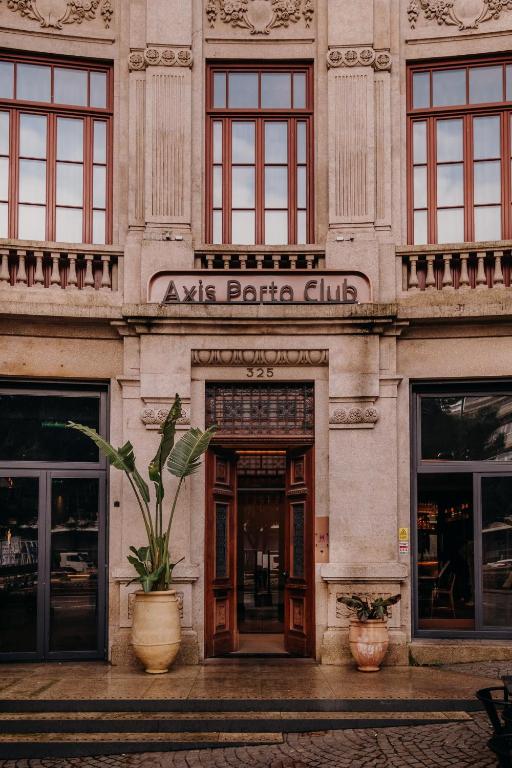
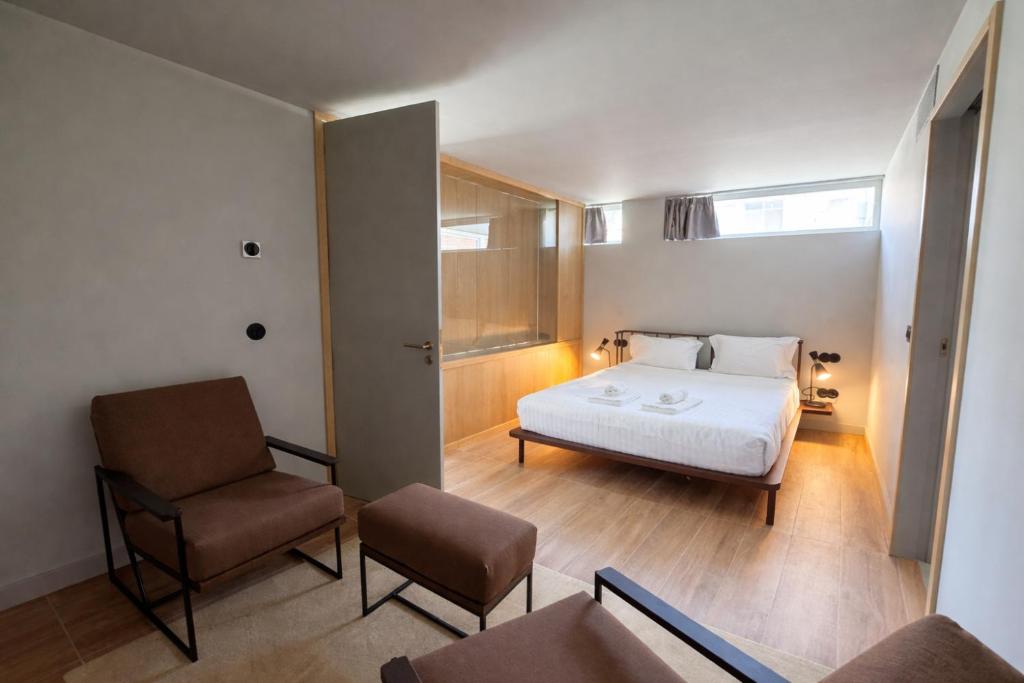
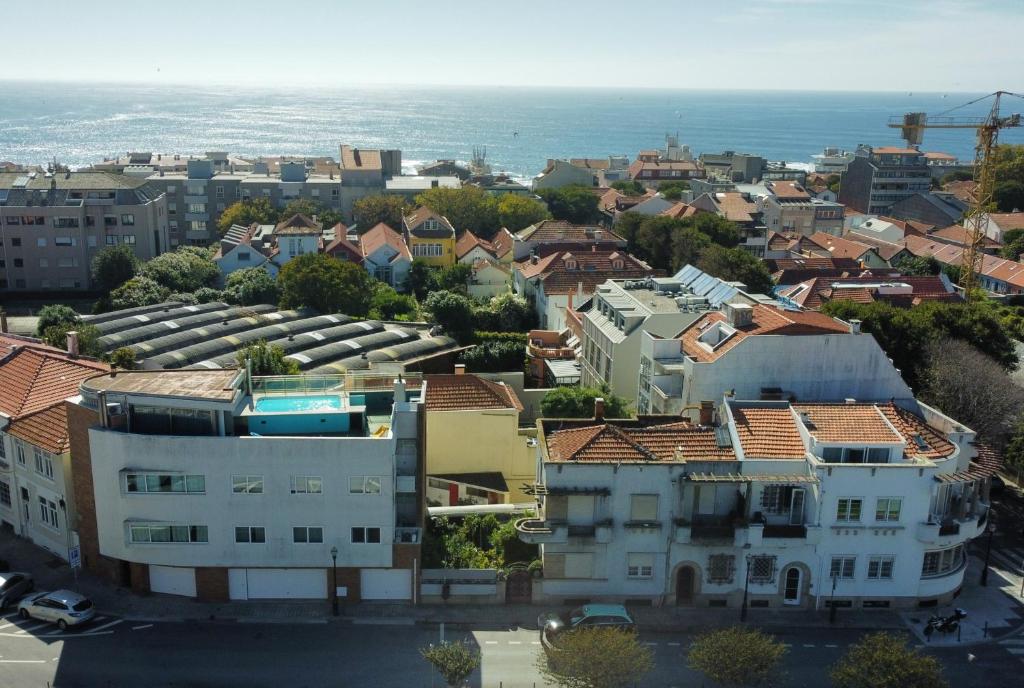
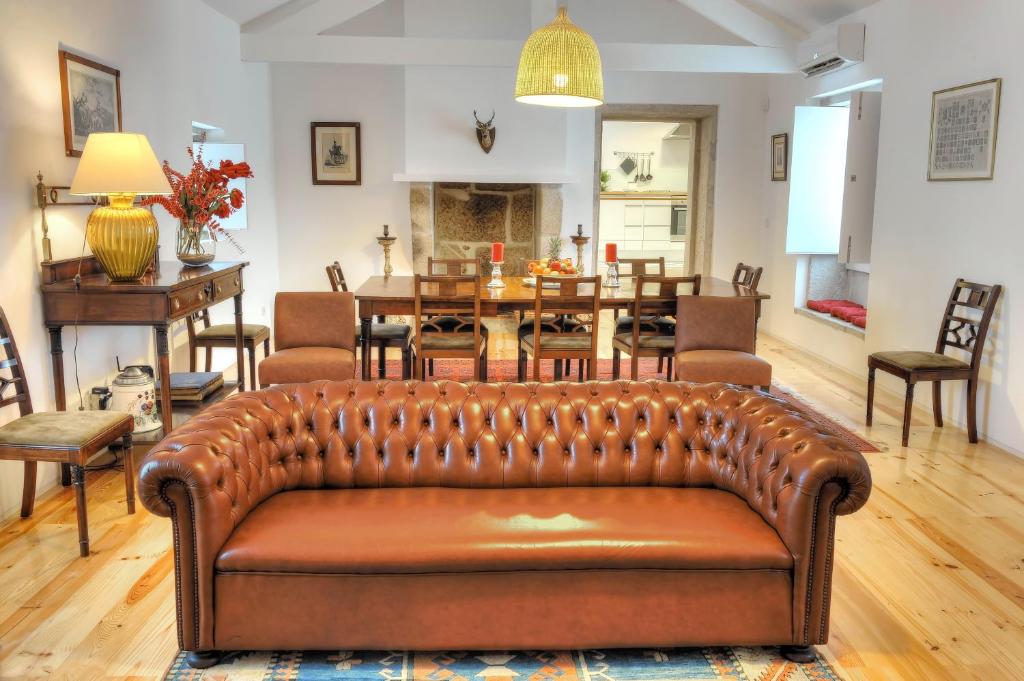
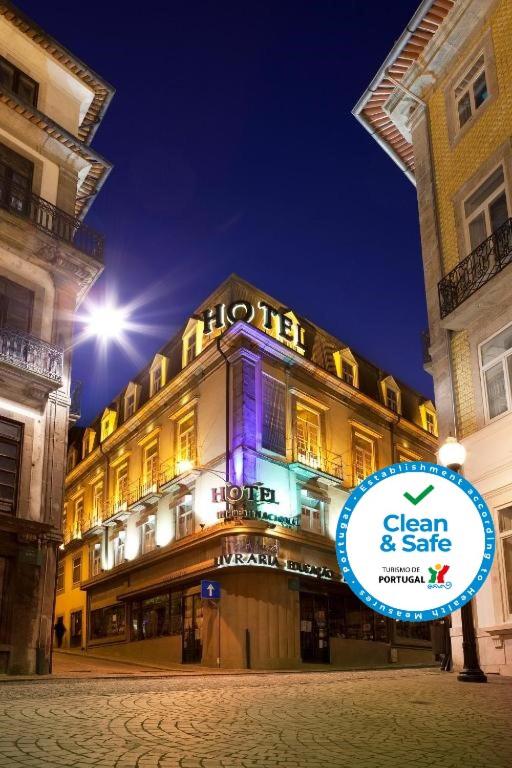
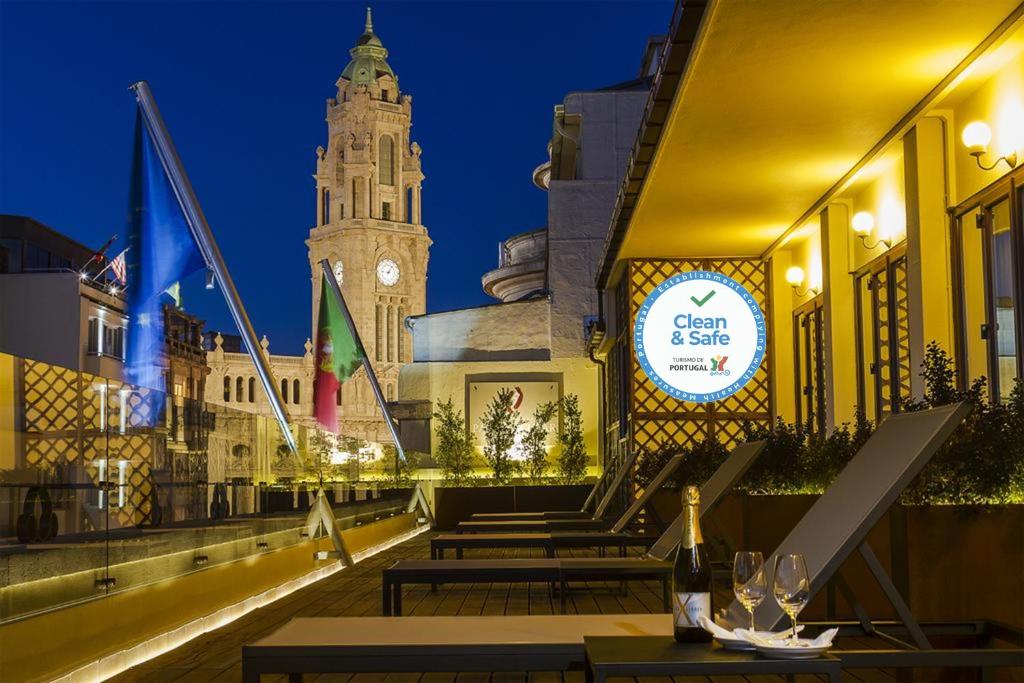
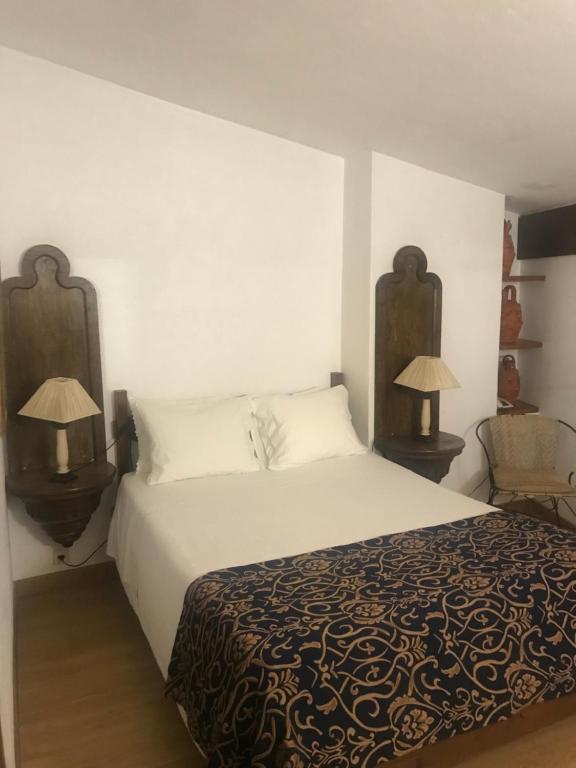
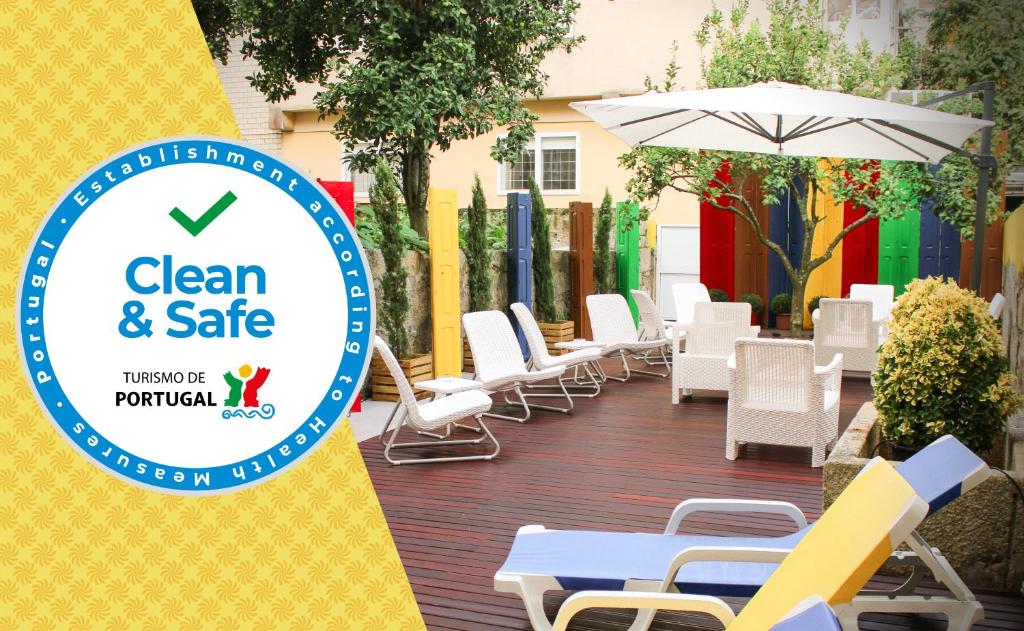
The catalogue has 21 lodgings linked to Porto, 13 of them in the municipality itself. See the list of lodgings on this page; the ratings shown come from Booking.com guests.
Frequently asked questions
Is Porto part of the Douro Valley wine region?
No. Porto lies at the mouth of the Douro, while the demarcated Douro region and the Alto Douro Vinhateiro are upriver. The city is, however, a common starting point for the valley.
What is there to see in Porto's historic centre?
The Historic Centre, the Luiz I Bridge and the Serra do Pilar Monastery have been UNESCO World Heritage since 1996. Reference points include the Ribeira, the Sé, the Clérigos Tower, the Palácio da Bolsa and São Bento Station.
How do I get from Porto to the Douro by train?
Douro Line trains leave from Porto São Bento and run to Pocinho, calling at Régua. The journey to Pocinho takes over three hours according to the sources consulted; check the current CP timetable, as some services may be replaced by a bus.
What should I eat and drink in Porto?
Tripas à moda do Porto and the francesinha are the city's specialities. Port wine ages in the cellars of Vila Nova de Gaia, right across the river.
Where should I stay in Porto?
The catalogue on this page has 21 lodgings linked to Porto, 13 of them in the municipality. The ratings shown come from Booking.com guests.