Photo: Joseolgon · CC BY-SA 3.0 · source
Rural Tourism in the Douro: Tabuaço, São João da Pesqueira and Sabrosa
· Team Douro Vinhateiro
In Tabuaço, São João da Pesqueira and Sabrosa, rural tourism means family-run country houses, quintas and rural hotels among the vineyards. Tabuaço suits quiet stays beside the vines, Pesqueira wine and viewpoints, Sabrosa historic villages. Always confirm details and contact the property directly.
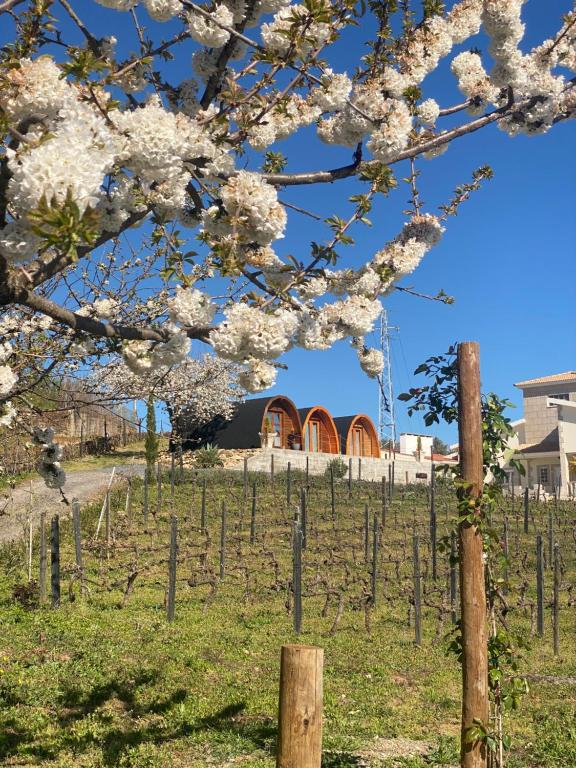
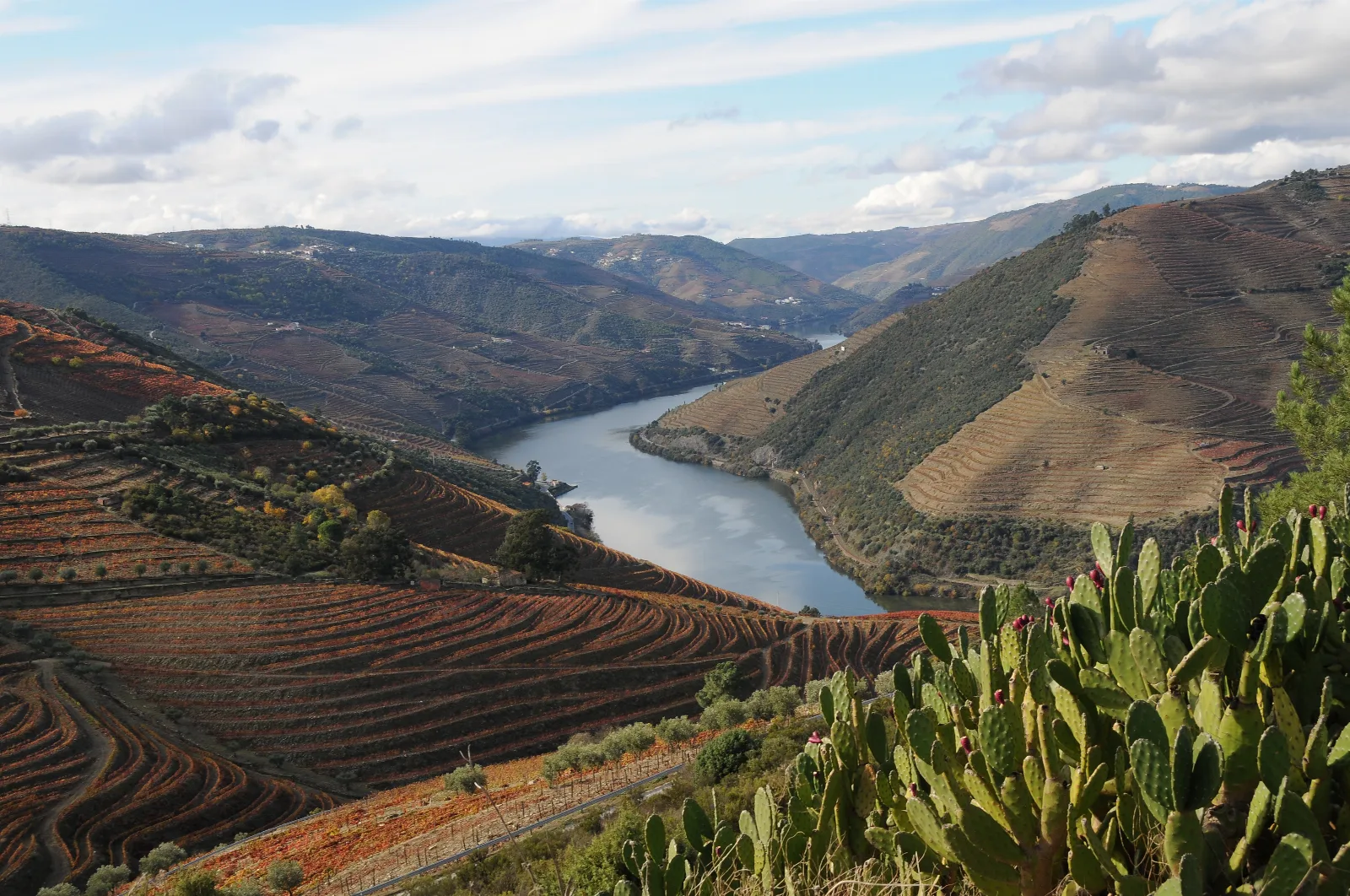
In Tabuaço, São João da Pesqueira and Sabrosa, rural tourism means family-run country houses, quintas and rural hotels, almost always surrounded by vines. The three neighbouring municipalities share the Douro but give different stays: Tabuaço for quiet, Pesqueira for wine and viewpoints, Sabrosa for stone villages and history.
What does “rural tourism” mean in Portugal?
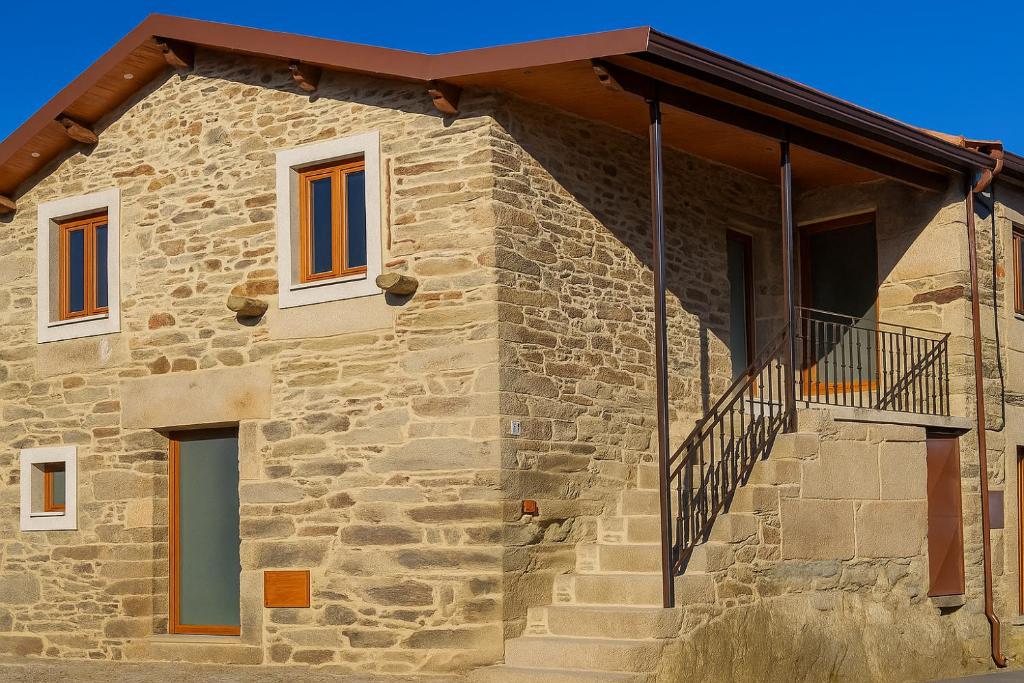
The Direção-Geral do Turismo describes it as family-scale establishments, offered for payment, in rural areas. Decree-Law 15/2014 adds that these properties should preserve and enhance the architectural, historical, natural and landscape heritage, often by rehabilitating existing buildings.
The current types are country houses (houses or shelters in a rural setting, whether or not the owners live there), agrotourism (lodging on a working farm, where guests may join in tasks) and rural hotels. Many properties still use older labels such as manor-house tourism, for stately homes, and village tourism. In practice the label on the door says less than the description: read what is included and what is not.
What does Tabuaço offer for a rural stay?
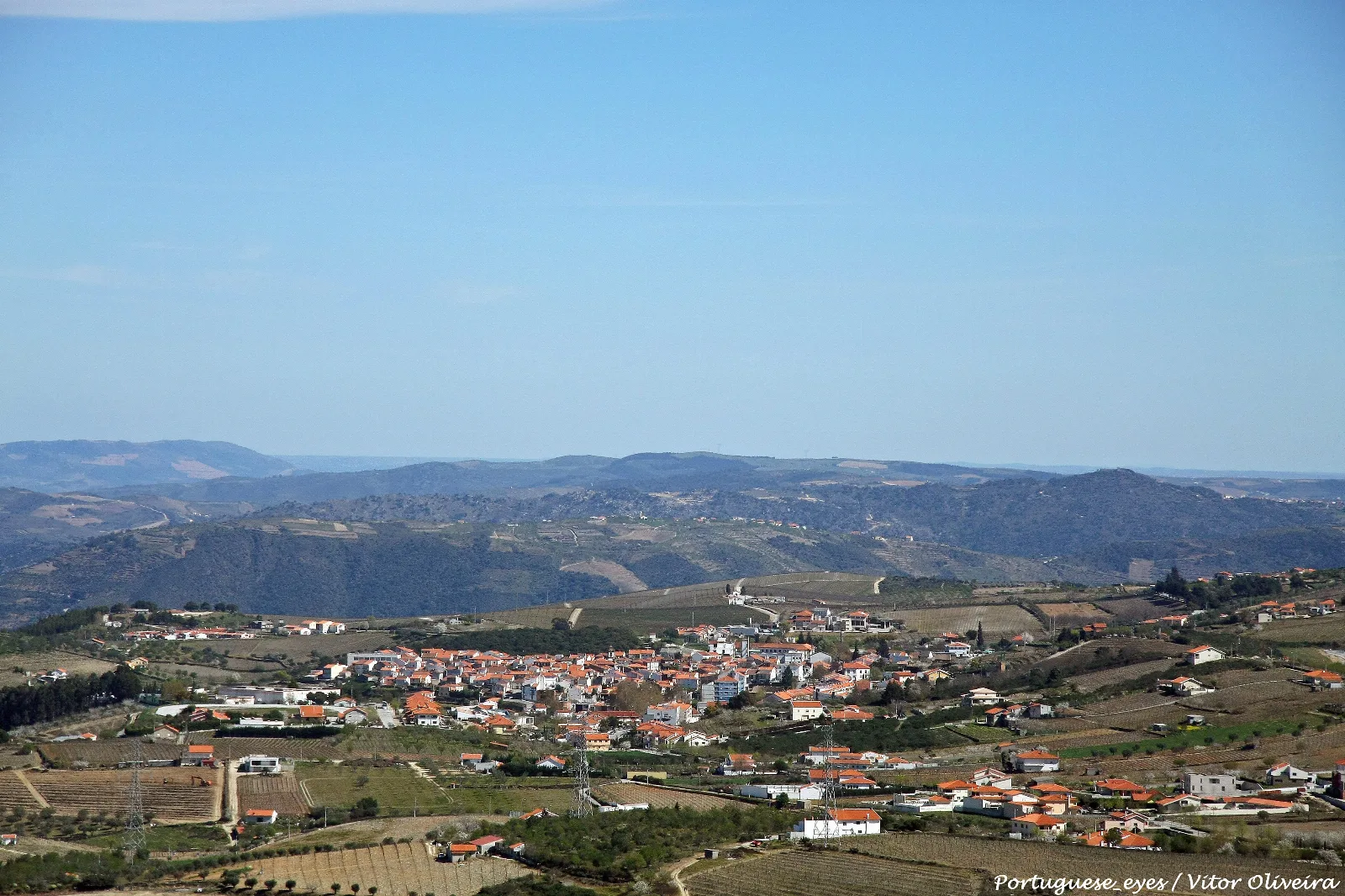
Tabuaço is a hillside town about eight kilometres from the left bank of the Douro. The municipality borders Sabrosa, São João da Pesqueira, Sernancelhe, Moimenta da Beira and Armamar, has 13 parishes and lives mainly from wine and handicrafts; agriculture employs about 56% of the working population. That sets the tone: here rural tourism is above all farm life.
There is heritage to fill the days: the Romanesque churches of São Pedro das Águias and Barcos, the pillories of Arcos, Granja do Tedo, Sendim and Valença do Douro, and MIDU, the Museum of the Douro Imaginary, in town. To sleep, our catalogue includes Casa dos Ruis, which advertises rooms with valley views, a restaurant serving regional food and a lounge with a fireplace, and Hotel Rural Quinta do Pêgo, which has its own article: Quinta do Pégo, rural tourism with a view over the Douro. More context on the municipality is on our Tabuaço page.
Why does São João da Pesqueira appeal to wine lovers?
São João da Pesqueira received its charter in 1055 and is described as the “Heart of the Douro wine region”. The municipality covers 266 km², had 6,775 residents in 2021 and has 11 parishes; it produces Port wine and DOC Douro wine, olive oil and almonds. The Wine Museum opened in August 2015, and the São Salvador do Mundo viewpoint above the Valeira dam is one of the most quoted landscapes.
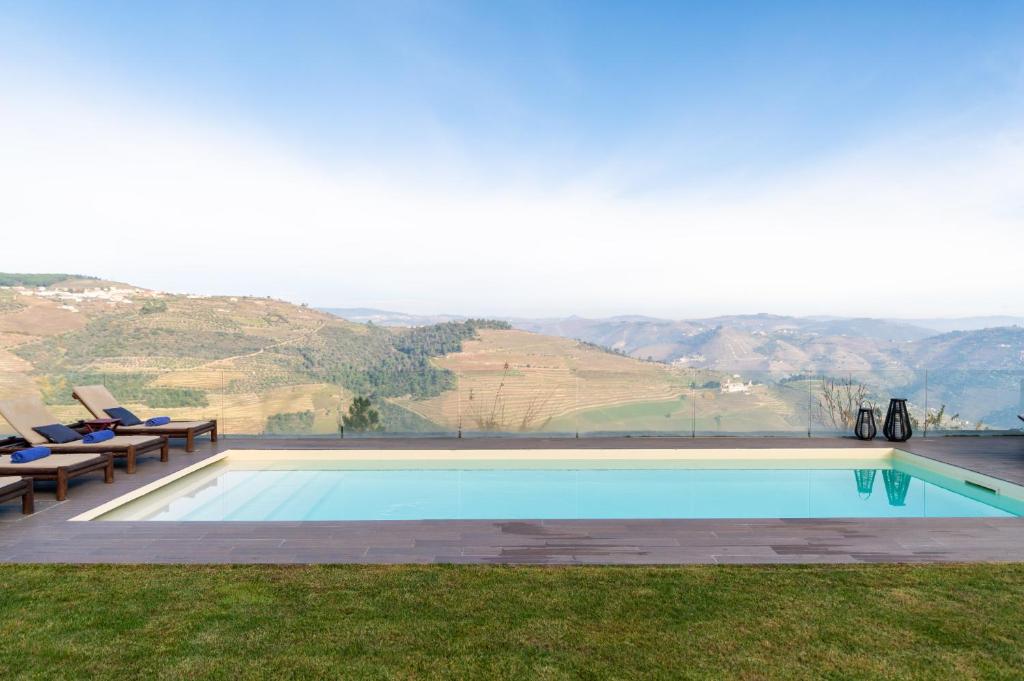
The Trás os Montes portal lists seven rural tourism properties in this municipality, among them Quinta do Pessegueiro, Solar do Corte Real – Casa do Adro and three units at Quinta de S. José. Another well-known name is Ventozelo Hotel & Quinta, in Ervedosa do Douro, which presents itself as a four-star hotel with a restaurant and outdoor pool. Those who prefer the town will find apartments and houses near the Wine Museum. See the São João da Pesqueira page for the rest of the offer.
And Sabrosa: what sets it apart?
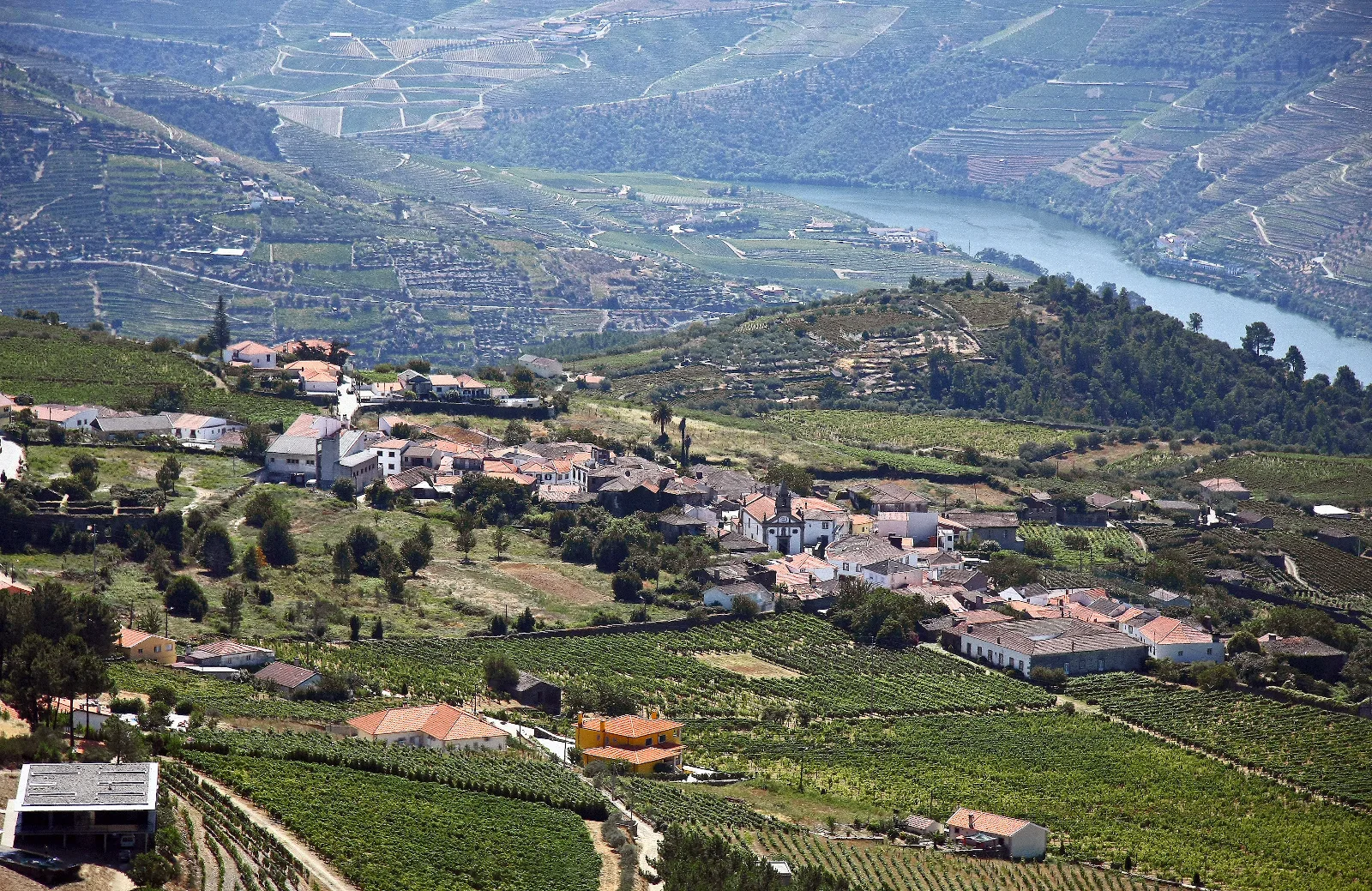
Sabrosa covers about 157 km², had 5,548 residents in 2021 and has 12 parishes. According to local tradition, Ferdinand Magellan was born here, and a monument to the navigator stands in town. The parish of Provesende has a pillory and origins before 1143, and the municipality includes part of the Alto Douro Wine Region, listed by UNESCO in 2001. Parada do Pinhão and Torre do Pinhão belong to Sabrosa, which puts it a short distance from Pinhão.
To sleep, see Five Sabrosa Senses. Before you go, read our page on Sabrosa, birthplace of Ferdinand Magellan and the municipality entry for Sabrosa.
What should you confirm before booking?
- What is included: breakfast, restaurant, pool and heating vary from house to house.
- Direct contact: directory portals such as Trás os Montes point to the property; that is the most reliable channel for dates and conditions.
- Real location: many properties sit in parishes far from the main town; ask for the route and the time to the town.
- Event dates: if you want to coincide with a festival or fair, check with the organiser or the town hall.
If you have not yet chosen an area of the Douro, our guide Where to stay in the Douro compares the options. We include no prices or ratings because they change and are not in official sources; always check current information with each property.
Frequently asked questions
What is rural tourism in Portugal?
It is paid, family-scale accommodation in rural areas that should preserve local architectural, historical and landscape heritage. Current types include country houses, agrotourism and rural hotels; manor-house tourism and village tourism are older categories still in use.
Which municipality suits a quiet weekend?
It depends on what you want. Tabuaço is a hillside town about eight kilometres from the left bank of the Douro; Sabrosa has villages such as Provesende; São João da Pesqueira has the Wine Museum. All three let you sleep among vineyards.
How many rural stays are listed in São João da Pesqueira?
The Trás os Montes portal lists seven rural tourism properties in this municipality, including quintas, manor houses and cottages, with direct contact. It is a directory, so the number changes; confirm availability with the property.
Do I need a car?
The three municipalities are rural and many properties sit outside the main town, so a car is usually the practical choice. Ask your host how to get there and whether transport exists; we found no official timetables to quote.
When should I book?
There is no single season: the Douro is worth visiting all year. Winter brings fireplaces and fewer visitors, but check heating, restaurant and opening days directly with each house.
Sources consulted
- trasosmontes.com/turismo-rural/sao-joao-da-pesqueira
- pt.wikipedia.org/wiki/Turismo_rural
- pt.wikipedia.org/wiki/Tabuaço
- pt.wikipedia.org/wiki/São_João_da_Pesqueira
- pt.wikipedia.org/wiki/Sabrosa
- booking.com/landmark/pt/sao-joao-da-pesqueira-wine-museum.pt-pt.html
- trivago.pt/pt/oar/hotel-casa-dos-ruis-turismo-rural-tabua%C3%A7o?search=100-2016795