3-Day Upper Douro Itinerary
17 Aug 2026
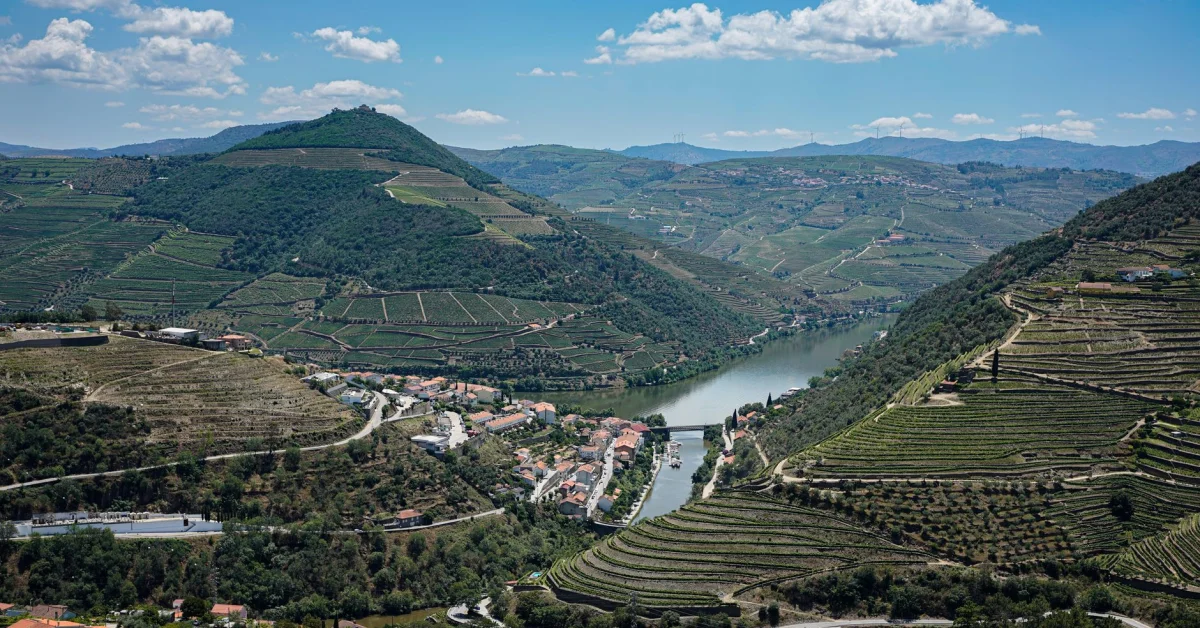
Most visitors stop at Pinhão — and miss the Upper Douro, the eastern stretch where the river narrows between schist cliffs, vineyards grow sparse and the feeling is of an almost untouched valley. This three-day itinerary balances the wine heartland (Régua and Pinhão) with the journey east to Pocinho and the Côa Valley, a World Heritage site for Palaeolithic rock art. For context on this little-visited area, read our article on the wild Upper Douro.
It assumes arrival by train or car in Peso da Régua on the morning of day 1 and return by train at the end of day 3. If travelling without a car, days 1 and 3 are straightforward; on day 2 book a taxi to the Côa in advance.
Day 1 — Peso da Régua and Pinhão (heart of the valley)
Morning — Régua: museum and quay
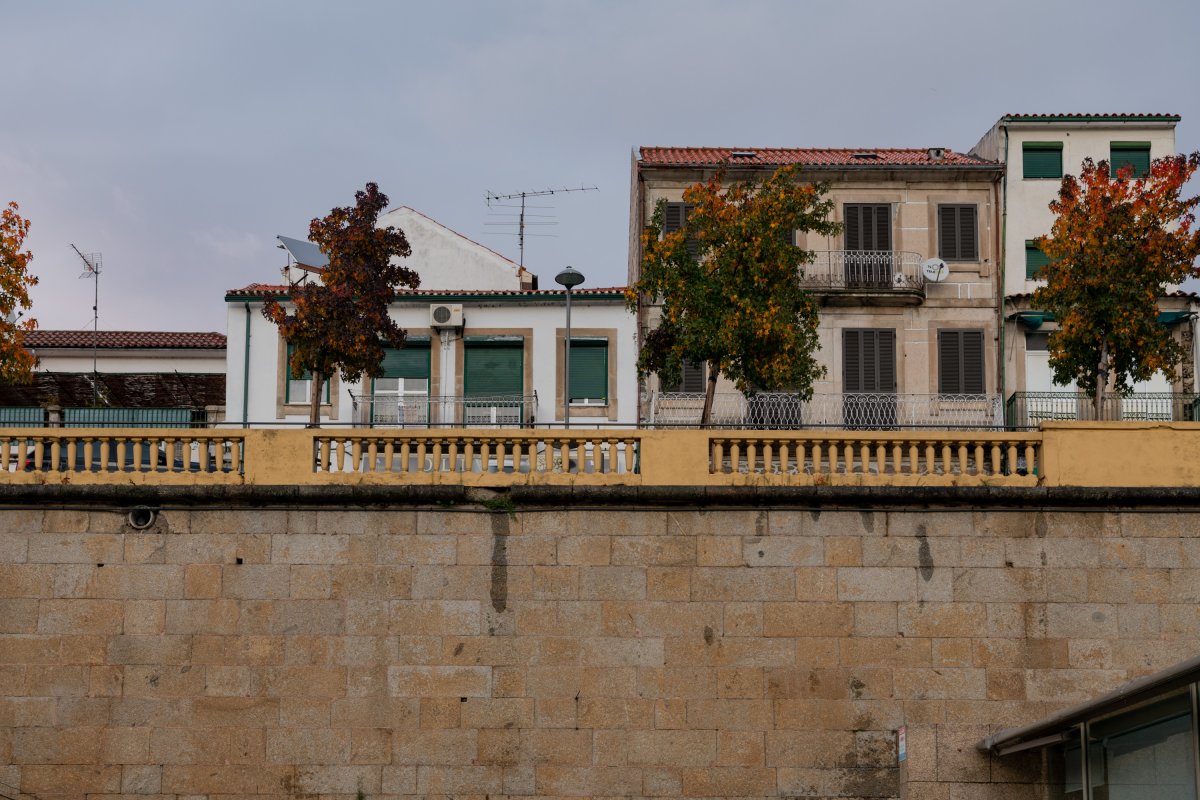
Arrive in Peso da Régua in the morning and leave luggage at the hotel. Visit the Douro Museum (90–120 minutes) and walk to the Régua Quay to see the rabelo boats. Our 1-day Peso da Régua itinerary details this area.
14:00 — Train to Pinhão
The Régua–Pinhão stretch takes about 25 to 30 minutes and hugs the river. Check into accommodation in Pinhão or return to Régua by train at the end of the day — depending on where you prefer to stay. To compare, see Pinhão vs Régua.
Afternoon — Pinhão station and Casal de Loivos viewpoint
Explore Pinhão Station and Jorge Colaço's azulejos. If you have a car or taxi, drive up to the Casal de Loivos Viewpoint — about 10 minutes from Pinhão — for a classic view over the terraces. It is one of the must-see viewpoints in the Douro.
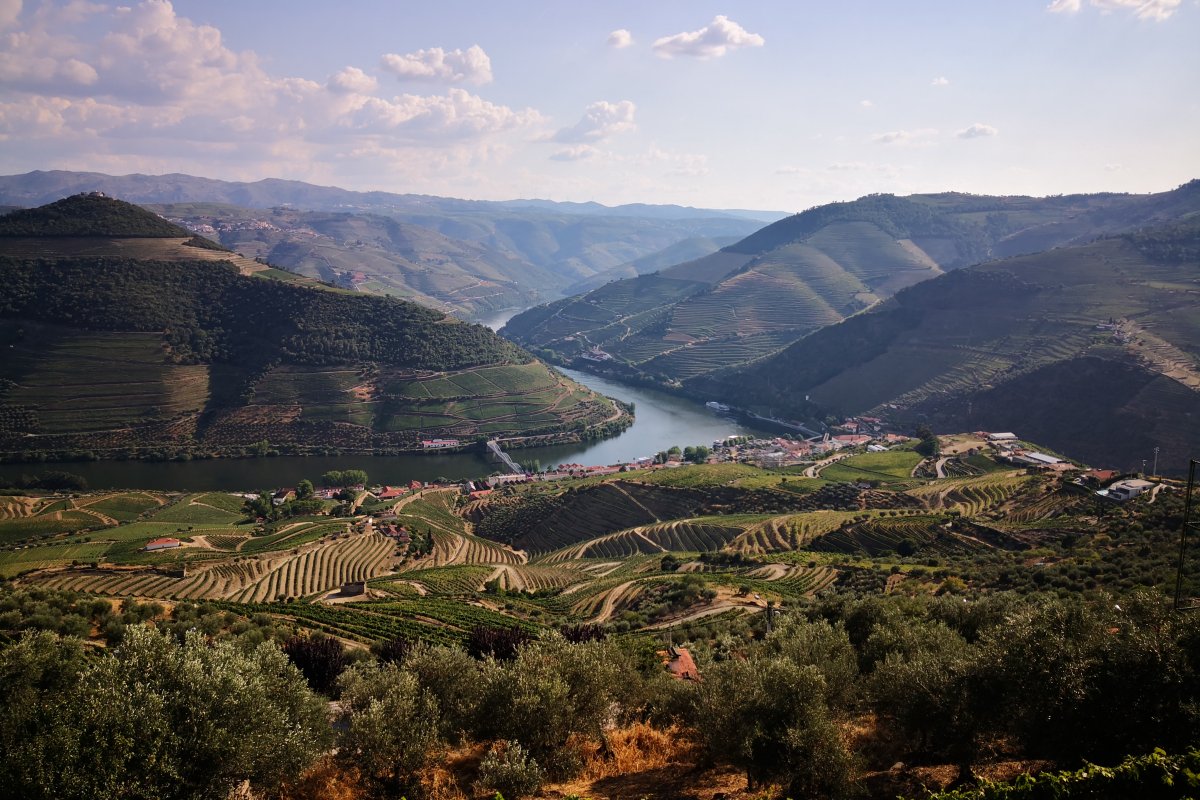
18:00 — Wine tasting or stroll on the quay
End the day with a tasting at a cellar in the centre or book dinner with a river view. The 1-day Pinhão itinerary suggests wineries in the area if you want to book a visit for tomorrow morning.
Day 2 — Upper Douro: Pocinho and Côa Valley
Morning — Pinhão → Pocinho train
Take an early regional train towards Pocinho. The journey takes about 45 to 60 minutes and the landscape transforms: narrower gorges, higher cliffs, fewer tourist wineries. Pocinho is the end of the Douro Line — the station sits beside the Pocinho Dam, where the river becomes navigable under hydroelectric operation.
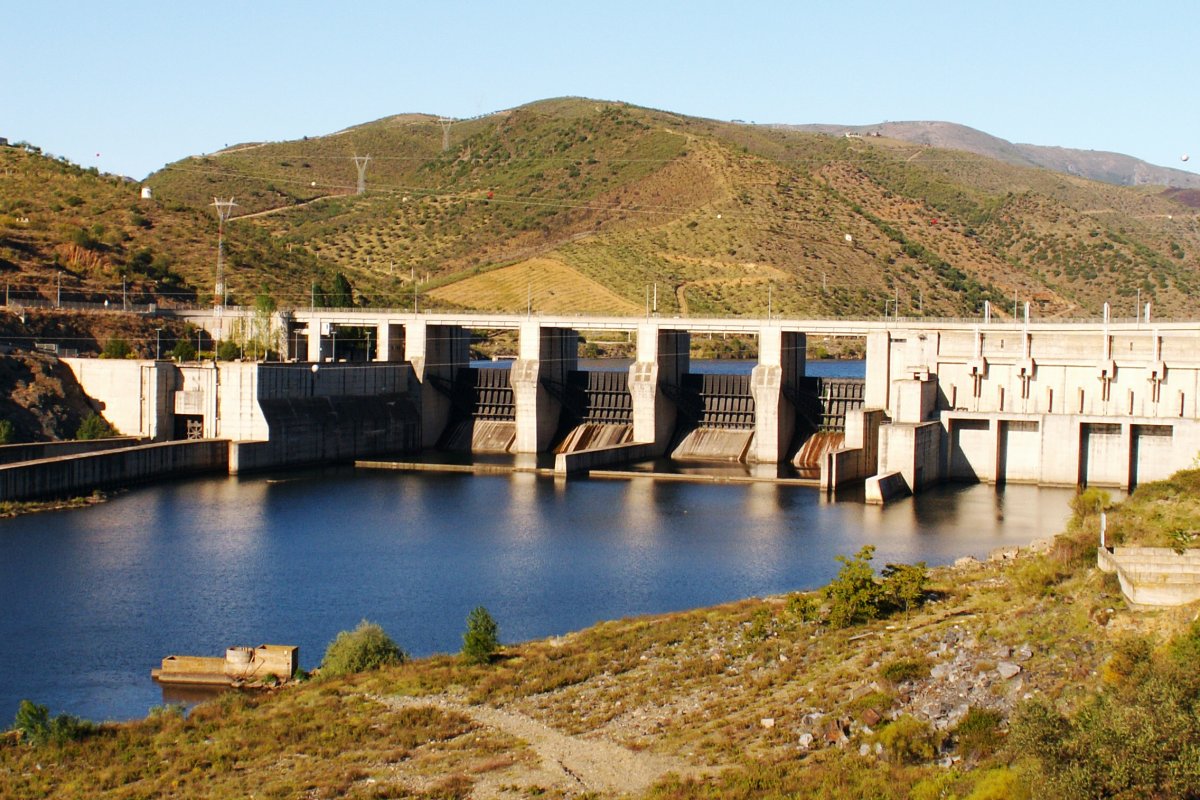
11:00 — Cachão da Valeira (panorama)
Before or after heading to the Côa, it is worth seeing Cachão da Valeira — the gorge where the river squeezes between rock walls. By train, get off at the nearest intermediate station or ask the taxi to include the viewpoint on the route. The view explains why this stretch was the most feared by rabelo boats.
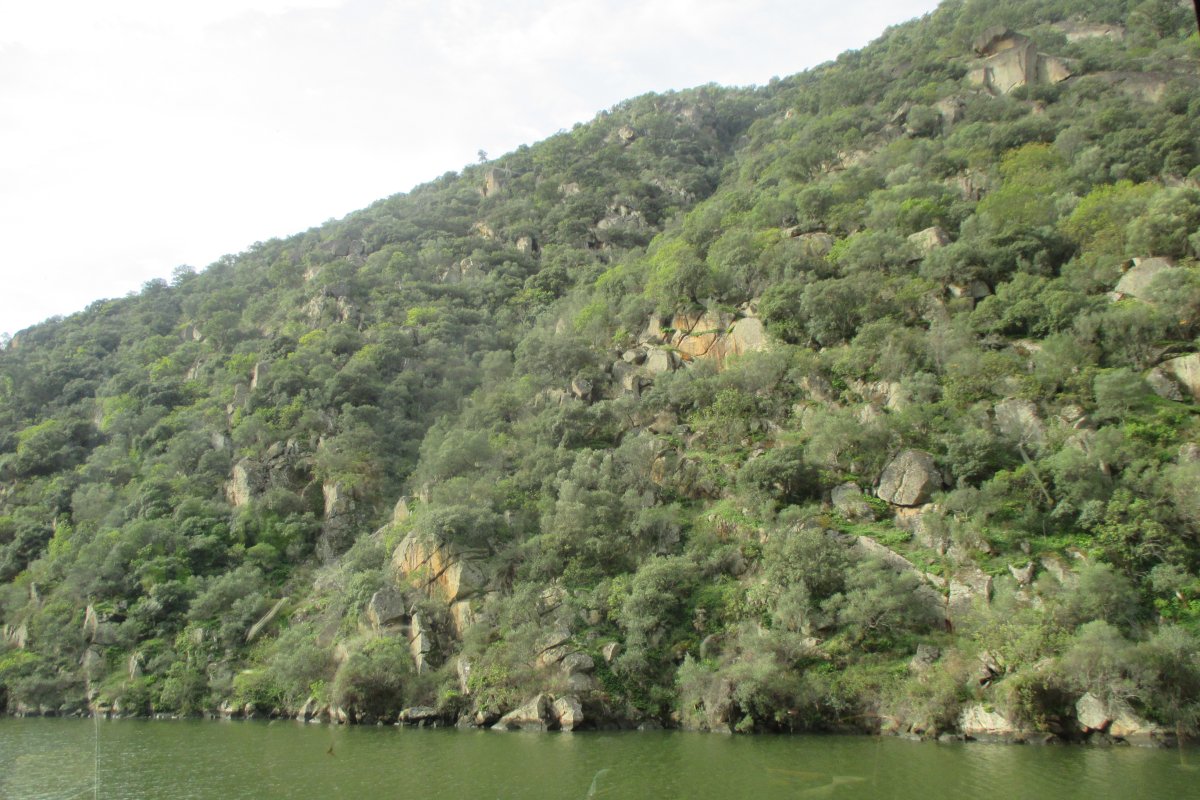
13:00 — Côa Valley: museum or archaeological park
From Pocinho, Vila Nova de Foz Côa is about 15 to 20 minutes by taxi. There are two complementary experiences:
- Côa Museum — interpretive exhibition on Palaeolithic rock art; ideal for context without long hikes. Allow 60–90 minutes.
- Côa Valley Archaeological Park — guided visit to actual engraving sites; requires advance booking and suitable footwear. Visits have fixed times and limited places.
In one day, many visitors do the museum in the morning and a guided park visit in the afternoon if they can get a slot. Confirm availability on the official website weeks ahead in peak season.
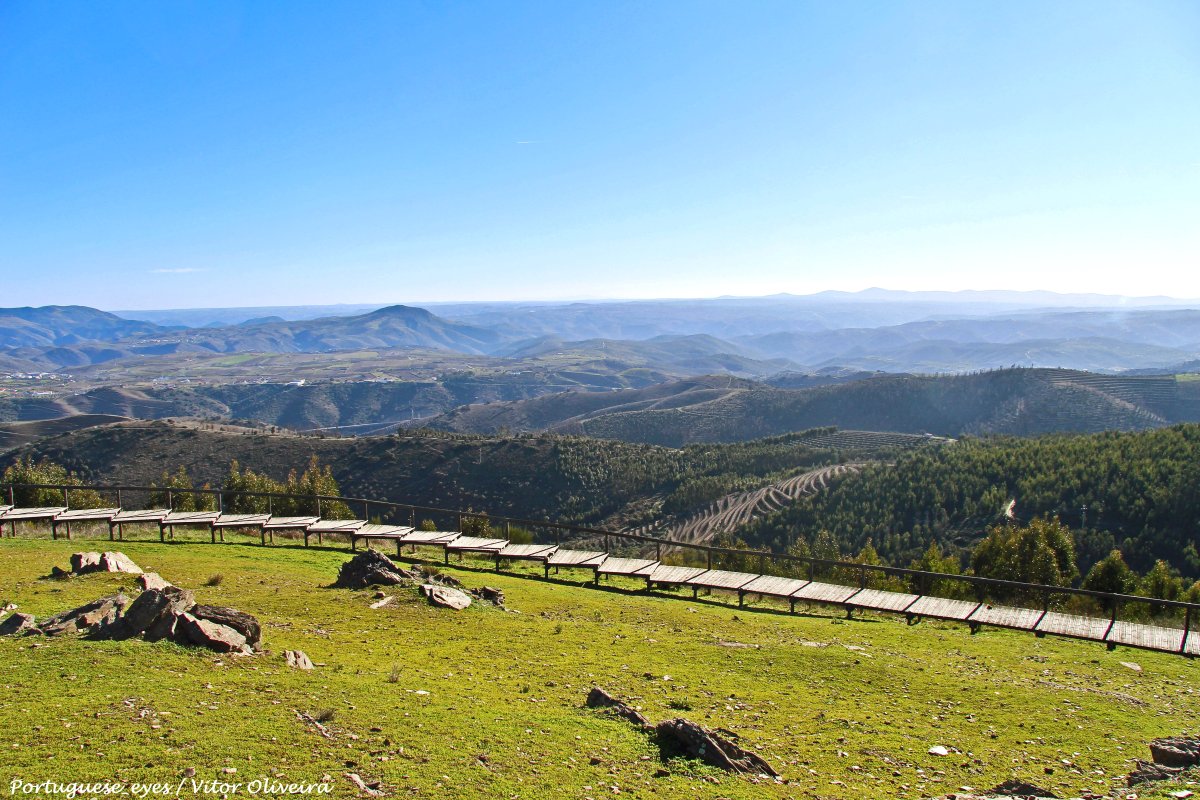
18:00 — Return to Pinhão or Régua
Take a taxi back to Pocinho in time for the return train. Stay at the same base as day 1. If time is tight, you can overnight in Foz Côa and return in the morning — but that requires careful planning for day 3.
Day 3 — Return through the valley (train and last stops)
Morning — Last winery or viewpoint
Use the morning for a winery visit you could not fit in on previous days, or revisit the Galafura viewpoint if the weather is clear. If you prefer a slower pace, stroll along Pinhão quay and buy wine from a producer to take home.
Afternoon — Return train
Take the Pinhão → Régua → Porto train (or to your city of origin). Allow 2h30 to 3h to Porto. If you have a rental car, return it in Régua or Porto depending on the contract.
This itinerary complements the 3-day winery route — here the focus shifts to the wild eastern landscape, not just wine tastings.
Practical information
- Trains: the Douro Line has limited schedules outside peak season; print or save Pinhão–Pocinho timetables offline before leaving.
- Côa: book guided visits to the archaeological park in advance; the museum is more flexible but confirm Monday hours.
- Taxi Foz Côa: arrange return with the driver or ask the Pocinho/Pinhão hotel to book — radio taxi services exist but are scarce.
- Footwear: uneven terrain in the archaeological park; avoid sandals.
- Food: Pocinho and Foz Côa have modest restaurants; bring water and snacks for long guided visits.
- Combining with a car: if renting, day 2 offers more flexibility — parking in Pocinho and Foz Côa is free at most locations.
Frequently Asked Questions
What is the Upper Douro?
It is the eastern stretch of the valley, upstream from Pinhão, where the river narrows between higher cliffs and the landscape becomes wilder and less touristy. Pocinho marks the end of the Douro Line; nearby are the Pocinho dam, Cachão da Valeira and access to the Côa Valley.
Do I need a car for this itinerary?
Not necessarily. Days 1 and 3 work well by train. On day 2, for the Côa Archaeological Park or sites beyond Pocinho, you will probably need a taxi or pre-booked transfer from Pocinho or Vila Nova de Foz Côa — there is no regular public transport to the rock art sites.
Côa Museum or Archaeological Park: which to choose?
The Côa Museum in Vila Nova de Foz Côa is the interpretive gateway — ideal if you want context without long hikes. The Archaeological Park takes you to the actual rock engraving sites but requires a guided visit and advance booking. In one day, many visitors do the museum in the morning and a guided tour in the afternoon if space is available.
How long does the train from Pinhão to Pocinho take?
Allow about 45 to 60 minutes on a regional train between Pinhão and Pocinho, depending on the schedule. The journey crosses narrow gorges and the landscape changes noticeably — worth sitting on the river side.
How many days do I need to see the Upper Douro?
Three days let you combine the wine heartland (Régua/Pinhão) with the eastern zone without rushing. With only two days, focus on Pinhão and Pocinho; with four, add an extra winery or the Casal de Loivos viewpoint.
What is the best time to visit the Upper Douro?
Spring (April–May) and autumn (September–October) offer good light and less heat. Summer is dry and hot on the cliffs; winter is more solitary but some train schedules are reduced — always check with CP.