Photo: Sanjorgepinho · CC BY-SA 4.0 · source
Douro Harvest 2026: ADVID's Final Review and What to Expect From the Wines
· Team Douro Vinhateiro
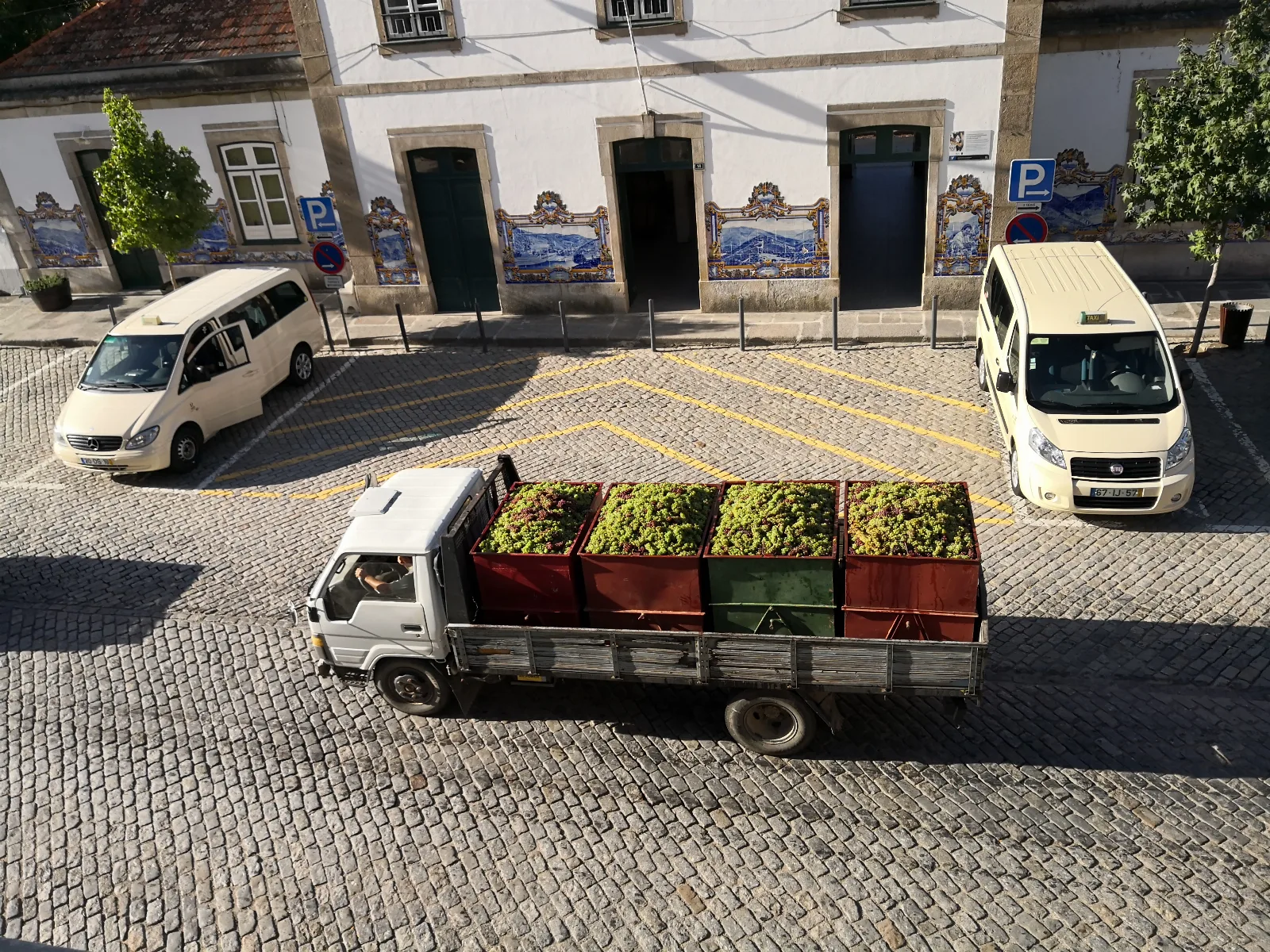
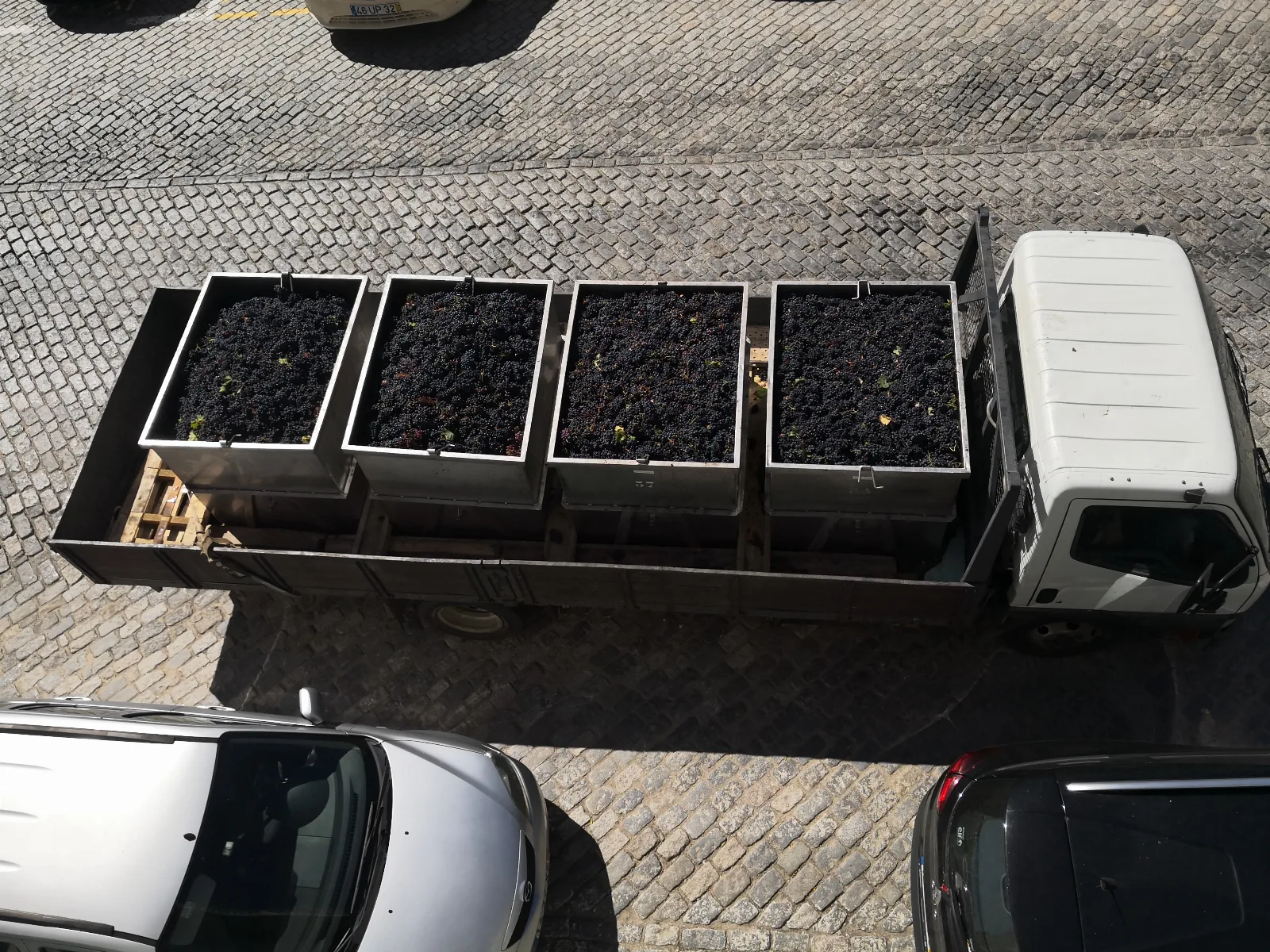
According to ADVID's final review, the 2026 harvest in the Douro began about eight days earlier than the historical norm, in a season with above-average temperatures. Yields in its observation plots were in line with the historical average, and ADVID sees potential for high-quality wines.
The 2026 harvest in the Douro Demarcated Region began about eight days earlier than the historical norm, after a growing cycle with temperatures consistently above average. That is the core message of ADVID's bulletin "Balanço final do ano vitícola 2026" (final review of the 2026 vintage year), reported on 26 October 2026. On quantity, the observation plots came in line with the average; on quality, the association speaks of potential for high-quality wines. This was consulted in early November 2026 and may be updated, so please confirm with the organisation.
What does ADVID's final review say about 2026?
ADVID (Associação para o Desenvolvimento da Viticultura Duriense) has worked in the region since 1982 and follows the vine cycle every year. For 2026 it describes consistently above-average temperatures through the cycle and very unevenly distributed rainfall. The vegetative cycle advanced significantly, which is why picking began about eight days ahead of what the historical record would suggest.
One more detail matters to anyone following the region: overall pressure from the main vine diseases was low. In a hot year with patchy rain, that helps explain why the review does not talk about disease losses.
How much was produced: a short crop or a plentiful one?
Neither, at least on the figures ADVID released. In the Observatório Vitícola plots the average yield was 1.76 kg per vine, which the review describes as in line with the historical average. Behind that number two movements cancel out: average bunch weight rose by 7%, but there were fewer bunches per vine.
It is worth being clear about what this number is. It covers observation plots, not the whole region. The article we consulted gives no regional totals, no breakdown by sub-region or grape variety, and no temperature or rainfall figures. Anyone who needs production numbers for the entire region should wait for the official statistics from the sector's bodies.
What changed in the musts, and why does it matter?
The must analyses show the effect of the heat. According to the review, probable alcohol and pH were higher, while total acidity and total anthocyanins were lower than in normal years. In the final ripening phase, heat and dehydration were observed.
For non-winemakers: less acidity and more potential alcohol are typical of a warm year, which is why the choice of picking date weighs so heavily. Even so, ADVID's overall conclusion is positive, with potential for high-quality wines. That is the association's assessment of potential, not a rating of the wines, which are still fermenting, ageing or being blended.
Why did the harvest come early?
On 4 September 2026 ADVID published another bulletin, "Ano Vitícola 2025-2026: Clima e Ciclo Vegetativo" (Vintage Year 2025-2026: Climate and Vegetative Cycle), covering the climate, the vine cycle and the earliness of the season. That is the document to turn to for the detail. The temperature and rainfall figures missing from the news report on the final review should be looked for there and on the association's website.
Is there support for growers in 2026?
On 23 September 2026 the IVDP (the Douro and Port Wine Institute) published a notice titled "Apoio excecional ao rendimento dos viticultores da Região Demarcada do Douro" (exceptional income support for growers in the Douro Demarcated Region), referring to vineyard area with grapes still to be harvested. The details are in a PDF we did not review, so we point to the IVDP's own notice: conditions, deadlines and eligibility should be confirmed there.
When do wines from the 2026 harvest reach the shelves?
Not yet. According to the IVDP, Vintage Port is bottled two to three years after the harvest, and LBV only after four to six years in wood. Table wines, white and red, follow each producer's own calendar. No "Vintage 2026" declaration has been announced, and this article makes no predictions about specific wines.
If you want to understand the categories, our guide to Port wine styles explains the essentials, from Ruby to Colheita.
What does this mean for visiting the Douro now?
First, the harvest is over, and it ended early. If you dream of baskets, lagares and foot treading, aim for September 2027 and read what the experience involves in our piece on harvest as a visitor; each estate announces its own dates. To pick the right month, also see when to visit the Douro, month by month.
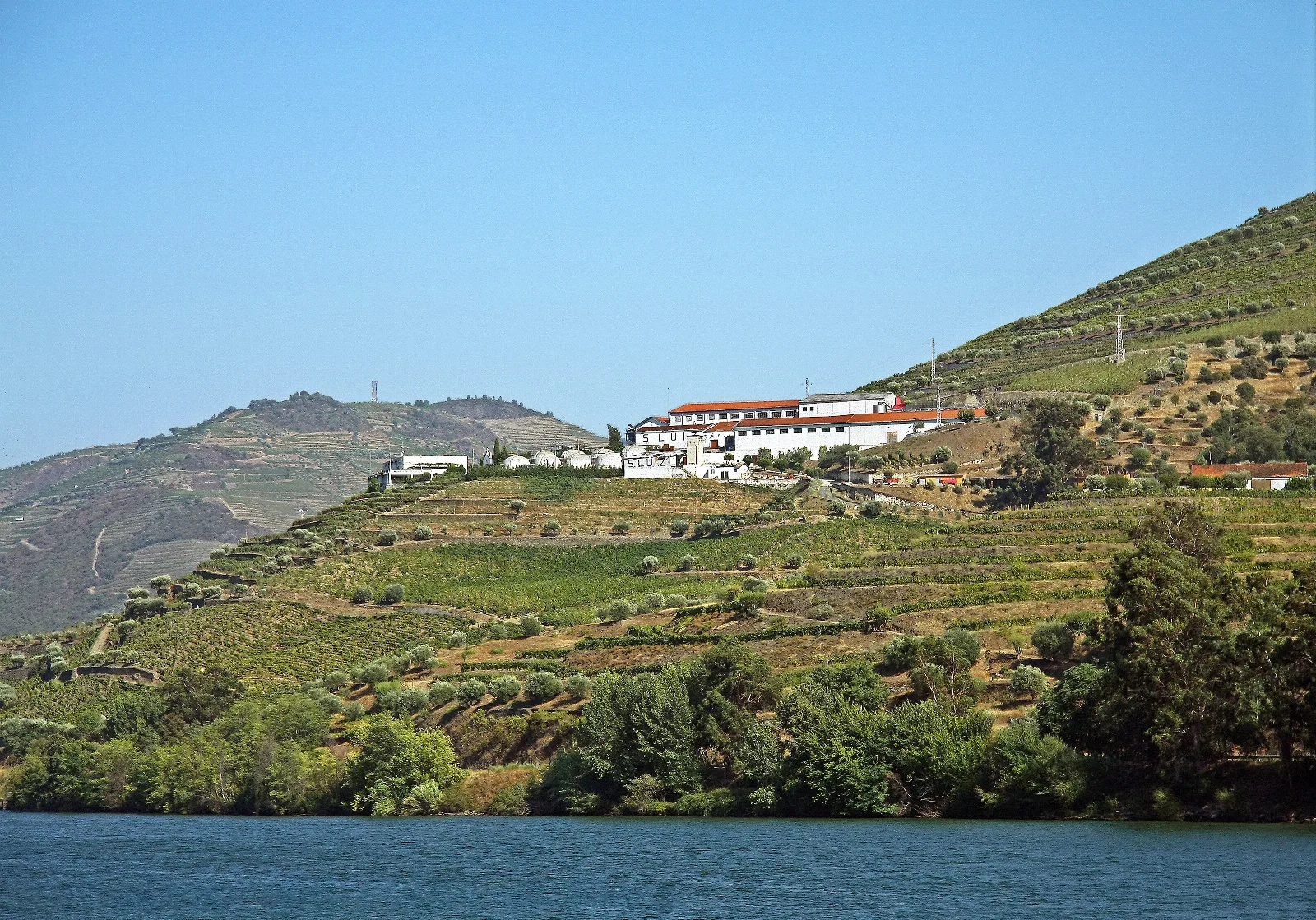
Second, winter is cellar and tasting season. Many estates keep receiving visitors outside the harvest, but opening hours and booking requirements vary and this article does not list them: always confirm directly. In Pinhão, the natural base for staying in the heart of the Alto Douro Vinhateiro, there is a one-day itinerary to organise your visit, and Peso da Régua is another possible base. Around Pinhão you can also read about Quinta do Seixo, and further east about Quinta de São Luiz.
Which dates are worth keeping in mind?
- 4 September 2026: ADVID bulletin on climate and vegetative cycle for the 2025-2026 vintage year.
- 23 September 2026: IVDP notice on exceptional income support for growers.
- 26 October 2026: report on the final review of the 2026 vintage year, with the harvest about eight days early.
- 17 November 2026: ADVID webinar on sustainable viticulture (Vinny project), a professional event.
- 26 November 2026: ADVID workshop "Minds4RiskAssessment", also professional.
The last two events are aimed at the sector, not at visitors. If you are interested, confirm the participation conditions with ADVID.
What do we still not know about the 2026 harvest?
Quite a lot. The review we consulted has no production totals for the region, no comparison between sub-regions, no analysis by grape variety and no announcement about specific wine categories. Nor can we say from this data what the finished wines will be like: potential is a promise from the vineyard, and the cellar does the rest. If a producer assures you today of the profile of a 2026 wine, ask to see the source.
The practical rule is simple: use this review as context, confirm numbers and dates with ADVID and the IVDP, and leave conclusions about each wine until it has been tasted.
Frequently asked questions
When did the 2026 Douro harvest start?
ADVID's final review, reported on 26 October 2026, says the harvest in the Douro Demarcated Region began about eight days earlier than the historical norm. It does not give a single start date for the whole region.
Was the 2026 crop big or small?
In ADVID's Observatório Vitícola plots the average yield was 1.76 kg per vine, in line with the historical average. The review gives no regional totals, so it is not possible to talk about a record or a shortfall.
Will there be a 2026 Vintage Port?
Nothing has been announced. According to the IVDP, Vintage Port is bottled two to three years after the harvest, and declaring a year is the producers' decision. Any claim right now would be speculation.
Can I still see a harvest in the Douro?
According to the review, the 2026 harvest is over and finished earlier than usual. If you want to see one, plan for September 2027 and check dates with the estate or the organiser.
Where can I check the official information?
On ADVID's website, which publishes the vintage-year bulletins, and on the IVDP website for notices and support for growers. This was consulted in early November 2026 and may change.
Sources consulted
- advid.pt/pt/noticias/disponivel-o-boletim-balanco-final-do-ano-viticola-2026
- agroportal.pt/?p=1274265
- advid.pt/pt/noticias/a-advid-partilha-o-novo-boletim-informativo-%E2%80%9Cano-viticola-2025-2026-clima-e-ciclo-vegetativo%E2%80%9D
- ivdp.pt/pt/comunicacao/noticias/apoio-excecional-ao-rendimento-dos-viticultores-da-regiao-demarcada-do-douro/
- ivdp.pt/en/wines/port-wines/special-categories/