Douro Harvest Itinerary (September)
17 Aug 2026
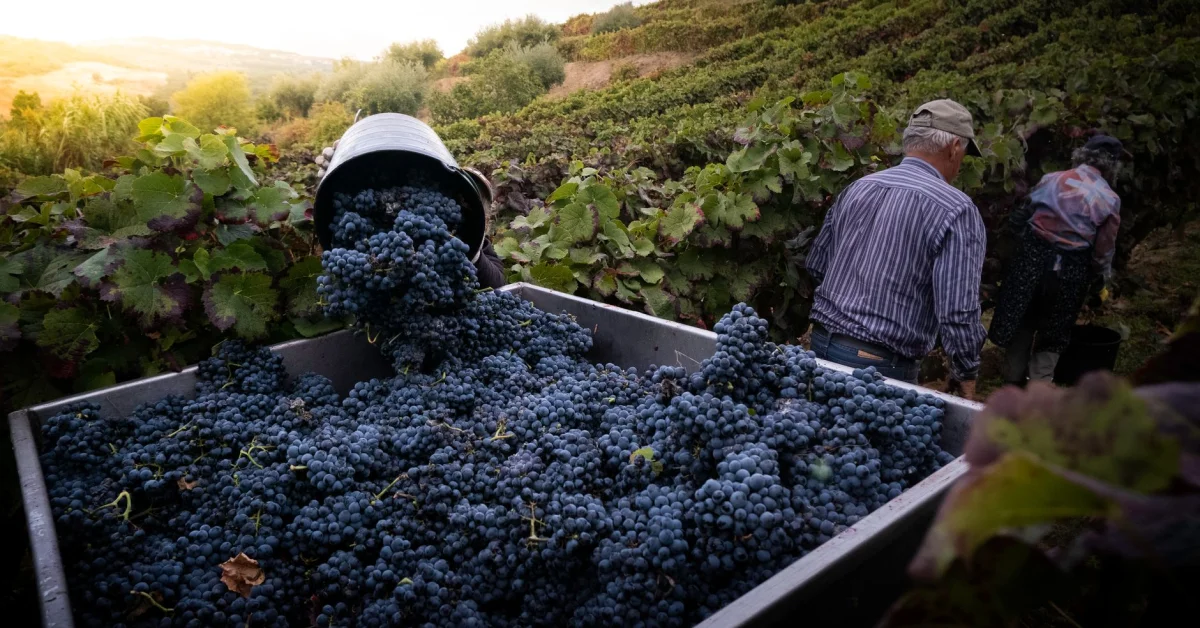
September in the Douro smells of ripe grapes and schist dust. It's harvest season — when terraces that seemed decorative turn into production lines and lagares wake after months of silence. For visitors, it's one of the valley's most authentic experiences, but it requires realistic expectations: not all estates let tourists pick grapes, traditional foot-treading in the lagar is rare and slots sell out weeks ahead.
This two-day September itinerary combines observing vineyard work with visits to one or two estates that accept limited participation. Read our article first on how to take part in the harvest — and if you're new to wine, the beginner's guide to wine tourism.
What to expect from the harvest (realistic expectations)
Before booking, know what a tourist harvest experience is — and isn't:
- Manual harvesting — some estates allow visitors to pick grapes for 30–60 minutes, under supervision. It's physical work on steep terraces.
- Winery visit — see grapes being destemmed and initial fermentation; modern machinery is more common than granite lagares with foot-treading.
- Traditional treading — organised tourist experience at few estates; don't expect it on any standard visit. Ask explicitly when booking.
- Tasting of wine from the previous harvest — grapes you pick today will be wine in months or years; you'll taste already bottled wines.
- Intense activity — fields and roads busier; estates may cancel or reduce visits if harvest pressure mounts.
Day 1 — Pinhão: estate with harvest experience
Morning — Arrival and first estate
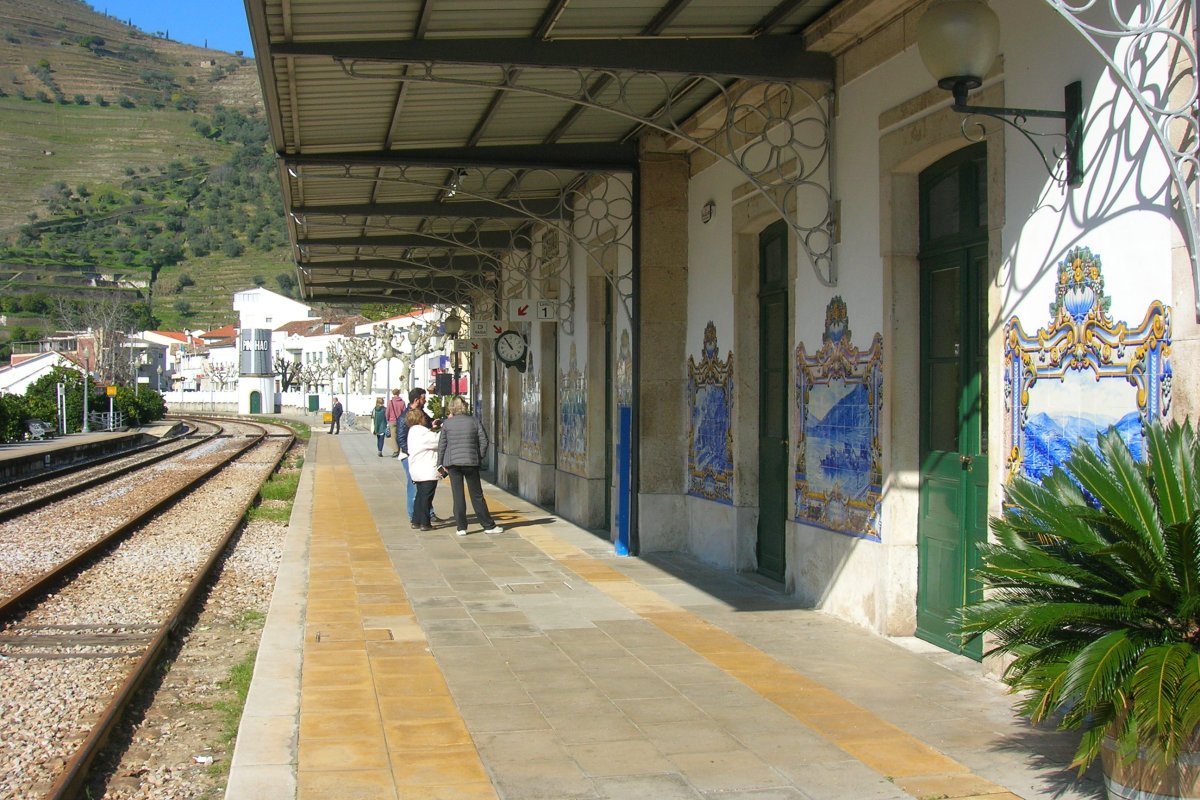
Arrive in Pinhão early — by train (Régua–Pinhão, about 25 to 30 minutes) or car. Book in advance an estate offering a harvest experience or visit during picking. State in your request that you'd like to join the harvest if possible; places are limited and assigned by order of booking.
Visit Pinhão Station if arriving by train — Jorge Colaço's harvest tiles gain real context when fields are being picked.
10:00 — Vineyard experience (60–90 minutes)
If the estate confirmed participation, wear comfortable clothes and grippy shoes. Manual harvesting involves cutting bunches with pruning shears, filling crates and carrying them — on sloping terraces. It's not a spectacle: it's work. Follow the viticulturist's instructions and don't enter unauthorised plots.
If the estate doesn't allow picking, the guided visit will show fields being worked, active lagares and explain the property's harvest calendar.
13:00 — Lunch and tasting
Lunch at the estate (if included in the experience) or in central Pinhão. After vineyard work, the wine tasting has a different flavour — ask to compare a young red with a reserve and link flavours to what you saw in the fields. Lunch budget: €18–35 depending on venue.
15:00 — Free afternoon or second winery
Use the afternoon to observe activity in fields visible from the N222 or rest on the quay. Pinhão is at the heart of Upper Douro harvest — fields being picked are visible from the road. See the 1-day Pinhão itinerary for more stops.
Evening — Overnight in Pinhão or Régua
September fills accommodation — book ahead. Pinhão is more central for estates; Régua has more hotel options. Compare Pinhão vs Régua.
Day 2 — Second estate or observation in Régua
Morning — Second visit (optional) or Douro Museum
If you booked two estates, repeat the experience at another property — each has different methods (manual vs mechanical, granite lagar vs steel tanks). If you prefer a quieter pace, head to Régua and visit the Douro Museum — the winemaking history exhibition complements what you saw in the fields.
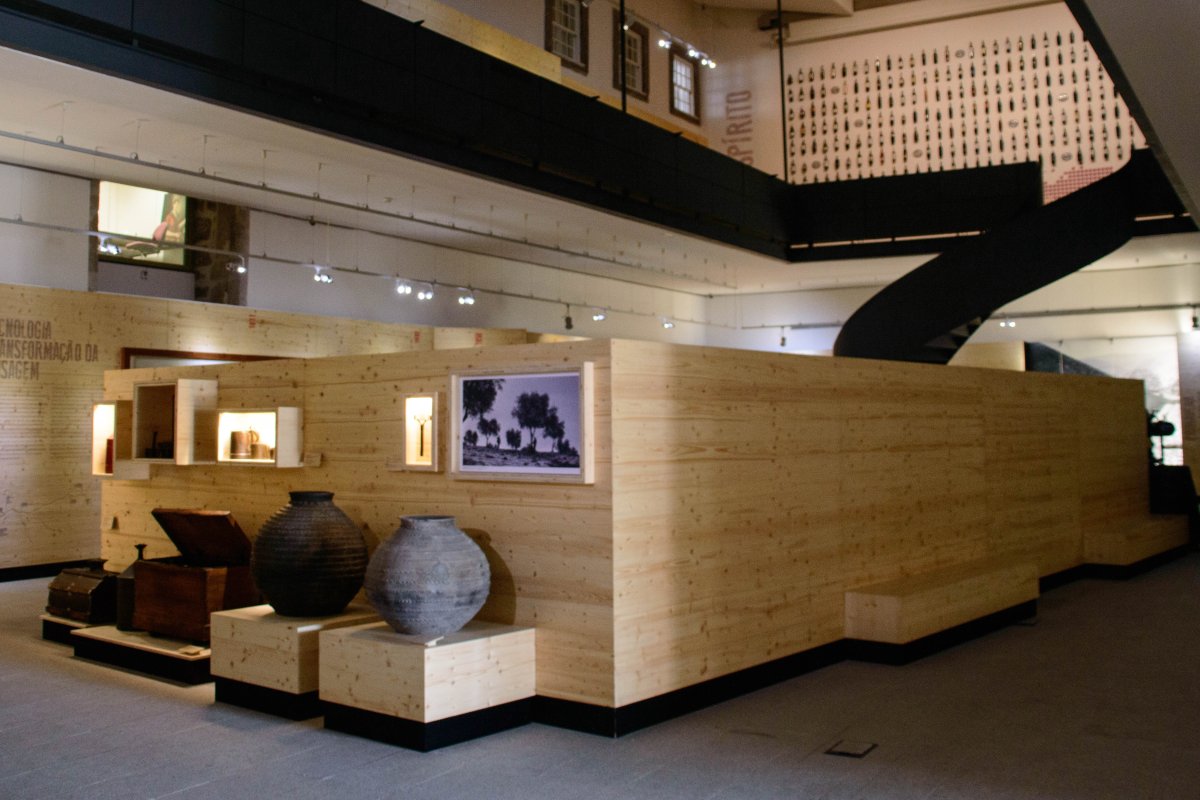
12:00 — Régua Riverside and harvest atmosphere
Walk along the Régua Riverside. In September, grape trucks circulate on valley roads and the atmosphere is more authentic than in August. A good time to buy wine directly from producers — bottles from the previous harvest, not from grapes you saw today.
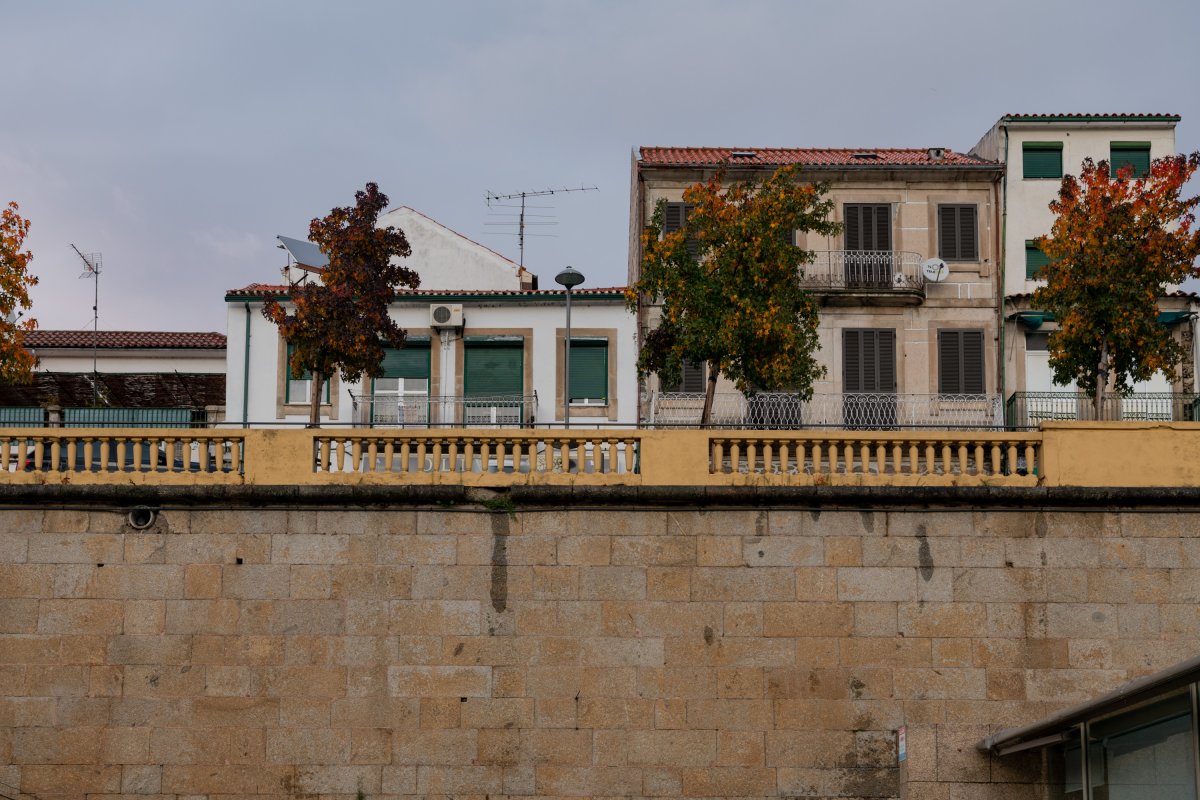
15:00 — Return
Return train or car to Porto. If travelling without a car, confirm timetables — September keeps regular service but trains may be full at weekends.
To extend your stay, combine with the 3-day estate itinerary — adapting timings to the harvest.
Practical information
- Bookings: 3–6 weeks ahead for September; state "harvest experience" or "picking" in your request.
- Clothing: clothes that can get dirty, closed shoes with grippy soles, hat, sunscreen; avoid white.
- Photography: ask before photographing workers or operating machinery — some estates restrict this.
- Safety: keep distance from tractors and machinery; don't enter lagares without permission.
- Budget: harvest experiences typically cost €40–80 per person (visit + picking + tasting); confirm what's included.
- Alternative: if you can't get a picking slot, a standard estate visit in September still shows active fields and working lagares — worth it.
Frequently Asked Questions
When is the harvest in the Douro?
Picking typically concentrates between mid-September and mid-October, depending on weather and grape ripeness. There are no fixed dates — each estate decides when to start. September is the busiest month; book accommodation and visits weeks ahead.
Can I tread grapes in a traditional lagar?
Some tourist estates organise treading experiences for visitors, but it's not universal — many producers use only modern machinery or reserve traditional treading for private events. Ask explicitly when booking; don't assume all estates offer this experience.
How far in advance should I book?
For September, book estates and accommodation 3 to 6 weeks ahead — slots sell out quickly. If you want to join the harvest (even picking grapes for an hour), state this in your booking request; places are limited.
What should I wear during the harvest?
Comfortable clothes that can get dirty, shoes with grippy soles (terraces are steep and slippery), hat and sunscreen. Avoid open sandals and white — grape stain marks. Some estates lend pruning shears for picking.
Is the harvest suitable for children?
Depends on the estate and age. Observing fields and lagares is suitable; joining the harvest or being near heavy machinery may not be. Confirm with the estate before booking — some have specific family programmes.
Can I visit the Douro during harvest without joining the picking?
Yes. Estates remain open for normal tourist visits, although the atmosphere is busier and some schedules reduced. Seeing fields being picked and lagares at work is already worth the experience — you don't need to pick up shears.