Wine Tourism Itinerary for Beginners in the Douro
17 Aug 2026
Wine tourism in the Douro can feel intimidating: centuries-old estates, grape varieties with hard-to-pronounce names, tastings where everyone else seems to detect "vanilla notes". The truth is simpler — the Douro welcomes thousands of beginners every year, and tourist estates are used to explaining the basics without condescension. This two-day itinerary offers a gentle introduction: an urban tasting in Régua on the first day and an estate visit in Pinhão on the second, with essential vocabulary so you never feel lost.
To deepen concepts before or after your trip, see our beginner's guide to wine tourism. If you prefer a broader plan, combine it with the 3-day estate itinerary.
Essential vocabulary (read before you go)
Two minutes of glossary saves awkward moments at the estate:
- Quinta — agricultural property with vineyards; in the Douro, almost always a wine producer.
- Castas — grape varieties; the most common in the Douro include Touriga Nacional, Touriga Franca, Tinta Roriz and Tinta Barroca (reds), and Códega, Rabigato and Viosinho (whites).
- DOC Douro — controlled designation of origin; table wines produced in the valley vineyards.
- Port Wine — fortified wine, traditionally aged in cellars in Vila Nova de Gaia (although more and more estates produce and store it in the valley).
- Prova — guided tasting of 3 to 6 wines, with explanation from the guide or winemaker.
- Lagar — where grapes ferment; during harvest you may see traditional granite lagares or modern steel tanks.
- Barrica — oak barrel where wine ages; "new barrica" gives more toasted wood aromas.
Day 1 — Urban tasting in Régua (no pressure)
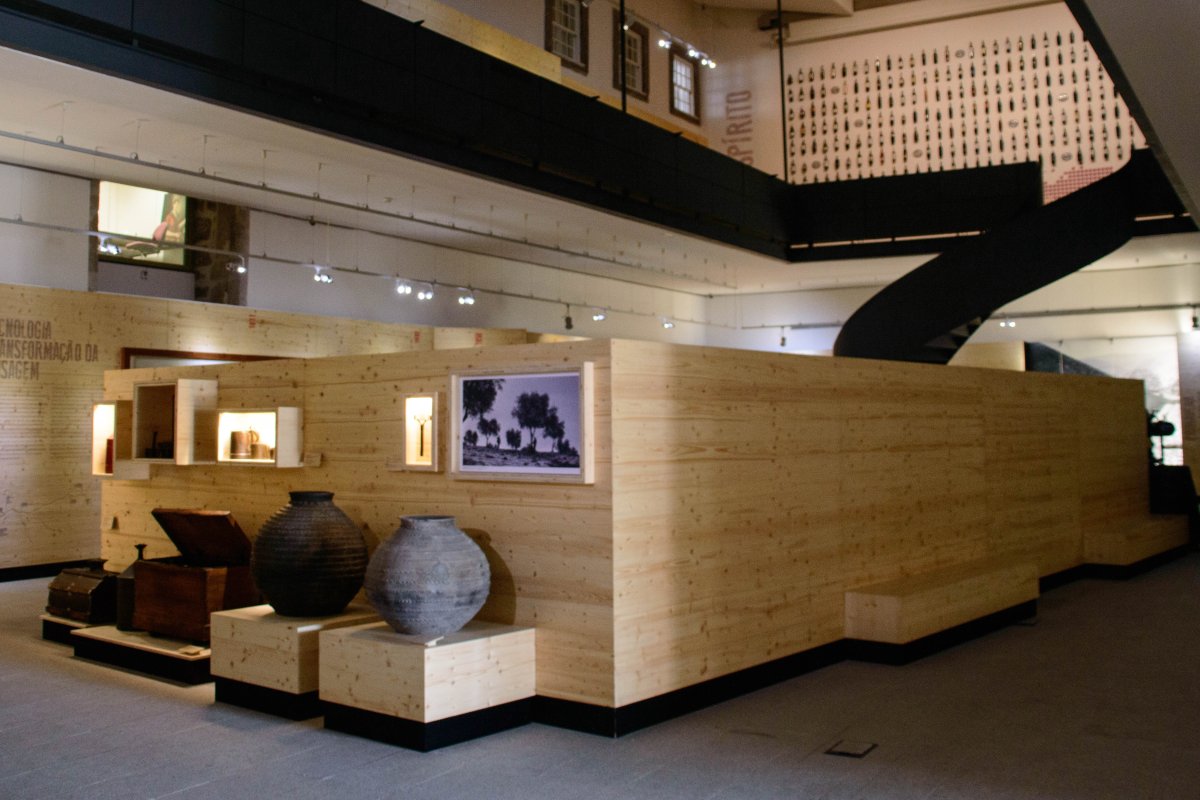
Morning — Arrival and context at the Douro Museum
Arrive in Peso da Régua by train or car in the morning. Before tasting, spend 60–90 minutes at the Douro Museum — the exhibition explains the 1756 demarcation, terraced slopes and the difference between table wine and Port. Historical context makes the afternoon tasting more meaningful.
12:30 — Lunch without wine (on purpose)
Lunch in central Régua without ordering a bottle — save your palate for the afternoon tasting. Simple cod or trout dishes work well. Budget: €15–22.
15:00 — Urban tasting at a Régua cellar
Régua has tasting cellars and producer shops in the centre where you can try 3 to 5 wines without a reservation in most cases. Ask to compare:
- A light white (Códega or Rabigato) — dry, citrusy, ideal for the heat.
- A young red — red fruit, soft tannins, no barrica.
- A reserve red — aged in barrica; note the difference in colour and aroma.
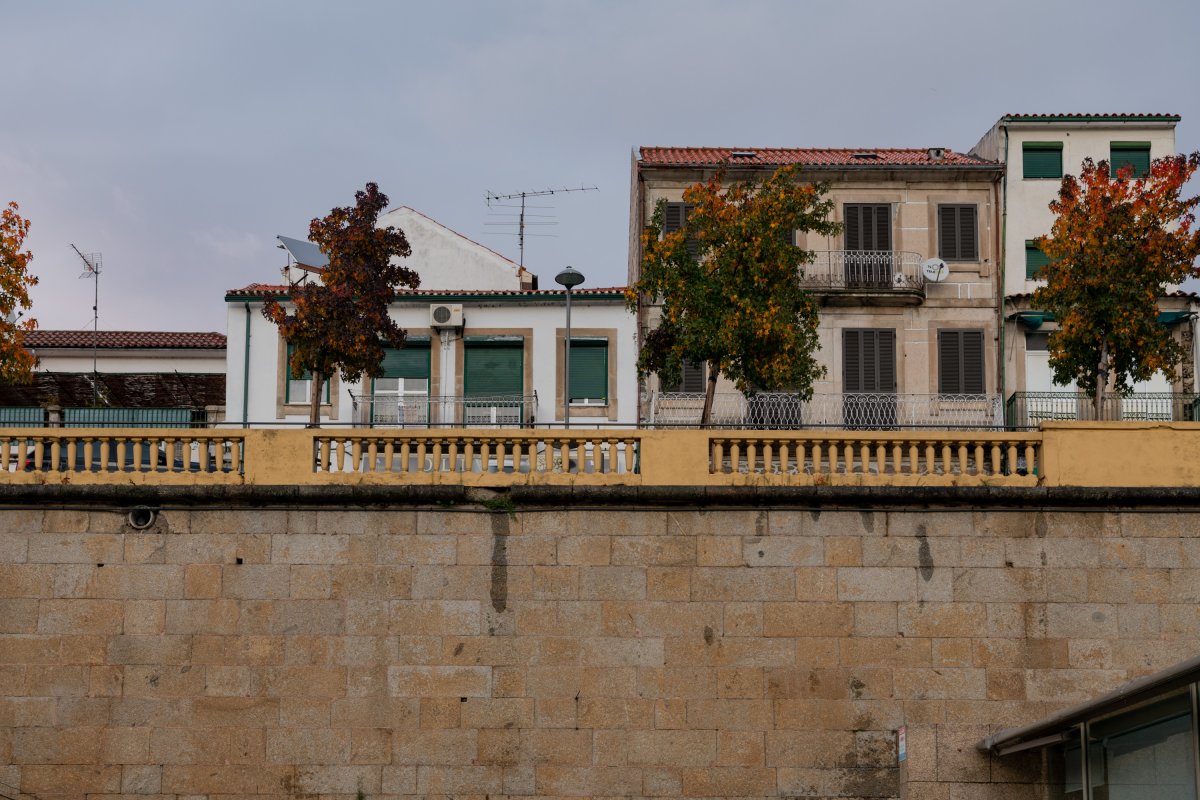
You don't need to describe what you feel — say honestly whether you liked it or not. Budget: €5–15 per short tasting. Walk afterwards to the Régua Riverside to digest the experience with a river view.
18:00 — Overnight in Régua
Stay in Régua — compare Pinhão vs Régua if you're unsure, but for this itinerary Régua simplifies the morning train. Our 1-day Peso da Régua itinerary has more suggestions in the area.
Day 2 — Estate visit in Pinhão (full experience)
09:30 — Train Régua → Pinhão
Take an early train (about 25 to 30 minutes). If travelling without a car, choose an estate within walking distance of the quay or ask for transfer included in the booking.
11:00 — Guided estate visit (with reservation)
Book a standard visit in Pinhão in advance — it typically lasts 60 to 90 minutes and includes a walk through the vineyards or winery, explanation of grape varieties and tasting of 3 to 5 wines. Estates like Seixo, Bomfim or smaller producers adapt their talk to the visitor's level if you say you're a beginner.
During the visit, questions that work well:
- "Which grape varieties grow in this plot?"
- "Did this wine go through barrica? How many months?"
- "What's the difference between the white and red we tasted?"
13:00 — Lunch in Pinhão
Lunch in central Pinhão. If the estate offered cheese or charcuterie pairing, you can skip this meal or opt for something light. Budget: €18–28.
15:00 — Second tasting (optional) or stroll on the quay
If your palate can take it, a second short tasting at a shop on the quay. If you prefer to rest, walk around Pinhão Station and admire the tiles — a visual harvest lesson without alcohol. The 1-day Pinhão itinerary suggests more stops.
17:00 — Return
Return train to Régua or Porto. If driving, respect the legal limit of 0.5 g/l — an afternoon estate tasting may make safe driving impossible; the train is the responsible option.
Practical information
- Bookings: Pinhão estates require reservations in high season; say you're a beginner — many adapt the pace.
- Tasting etiquette: drink slowly, use water between wines, don't feel obliged to finish glasses; spitting is accepted at technical tastings, rare on tourist visits.
- Transport: Porto–Régua train ~1h55; Régua–Pinhão ~25–30 min; check CP timetables.
- Total budget: €80–150 per person (2 days) including tastings, estate visit, lunches and trains — excluding accommodation.
- What to avoid: two estate visits on the same day if you're a beginner — the palate gets tired; expensive premium tastings on the first day.
- Take home: many estates sell bottles at cellar price; shipping by carrier is possible if you buy volume.
Frequently Asked Questions
Do I need to know a lot about wine before visiting the Douro?
No. This itinerary was designed for people who drink wine occasionally and want to learn without pressure. Tourist estates are used to beginner visitors; what matters is arriving curious and willing to ask simple questions.
What is the difference between Douro DOC wine and Port wine?
Douro DOC wine is table wine produced in the valley vineyards — reds, whites or rosés that ferment completely. Port wine is fortified (with brandy added during fermentation), aged in cellars in Gaia or at the estate. In the Douro you'll mainly taste DOC; Port appears as a complement.
How many tastings should I do in one day?
For beginners, two tasting sessions per day is a comfortable maximum — one short urban tasting and one estate visit with 3 to 5 wines. Drink slowly, use bread bites or water available and don't feel obliged to finish every glass.
How much does an estate visit with tasting cost?
A standard visit with tasting of 3 to 5 wines usually costs €15–35 per person depending on the estate and season. Premium tastings or food pairings rise to €40–60. The urban tasting in Régua is more affordable — €5–15 for 3 wines.
Can I do this itinerary without a car?
Yes. Day 1 works well by train to Régua; day 2, Régua–Pinhão train and taxi to the estate if it's outside the centre. If you taste wine in the afternoon, the return train is safer than driving.
What should I ask during the tasting?
Simple questions work well: what grape varieties are these? Did the wine go through barrica or only steel? What's the difference between this young red and the reserve? Winemakers and guides prefer genuine curiosity to technical language.