River Beaches in the Douro Valley: Where to Swim in Summer 2026
19 Jul 2026
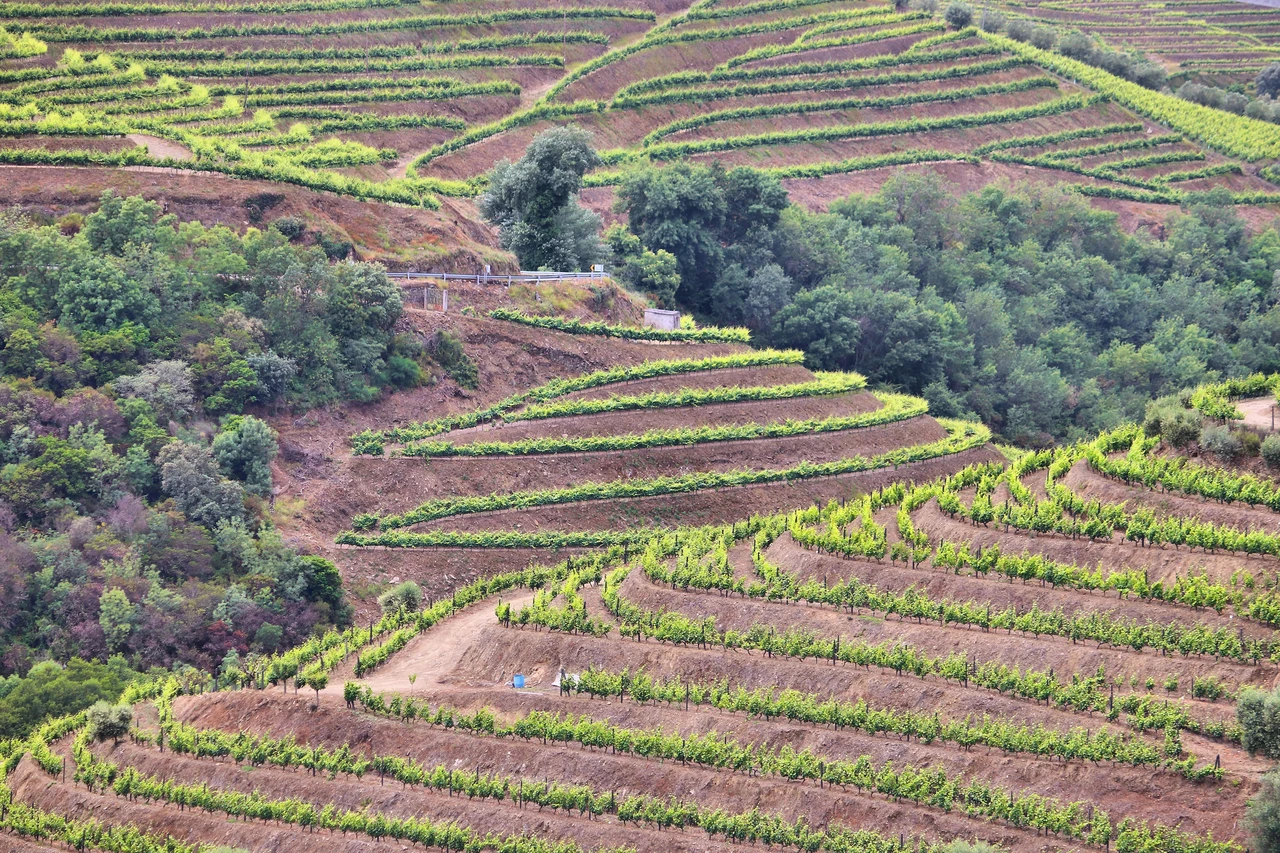
When the Douro Superior bakes under the summer sun, with afternoon temperatures that regularly push past 35-40°C in towns like Vila Nova de Foz Côa and Torre de Moncorvo, the terraced vineyards suddenly feel a lot less romantic and a lot more like an oven. Locals have known the fix for generations: the river itself. Dammed into a chain of calm reservoirs, the Douro and its tributaries hide a string of river beaches, or praias fluviais, where the water stays cool, the crowds stay thin, and a wine country afternoon can end with a swim instead of a headache.
This guide draws on official information from the municipalities and tourism boards that manage these beaches, cross-checked across multiple regional sources, to give you a practical, honest picture of where to swim in the Douro Valley in 2026 - which beaches sit closest to Peso da Régua, Lamego and Pinhão, what facilities to expect, and how to fit a swim into a wine-tasting itinerary. If you are staying with us in the Douro Vinhateiro region this summer, treat this as your shortlist for the hottest afternoons of your trip.
Why the Douro Valley Is a Surprising Summer Swimming Destination
The Douro is not a free-flowing river anymore. Since the mid-20th century, a series of hydroelectric dams - Carrapatelo, Bagaúste, Valeira, Pocinho and others - has turned long stretches of it into a chain of still, lake-like reservoirs called albufeiras. That engineering history, built for power generation and river navigation, had an unplanned upside for tourism: calm, swimmable water in a region that would otherwise have only fast-flowing rapids.
Portugal's official bathing season on these river beaches runs from 15 June to 16 September, when lifeguard teams are on duty and the water is monitored for quality. Outside that window, some beaches remain accessible but without supervision, so the safest and most comfortable time to plan a swim is squarely in the middle of summer - which happens to overlap with when most visitors are already touring the Douro's quintas.
Unlike the coast, these beaches are inland and freshwater, so there is no tide, no salt, and generally gentler conditions for families. They also tend to be far less crowded than Porto's ocean beaches in August, since most tourists in the Douro Valley simply do not know they exist.
Praia Fluvial de Bagaúste: The Closest River Beach to Régua and Lamego
For visitors staying near Peso da Régua or Lamego, the Bagaúste river beach is the most convenient option. It sits on the reservoir formed by the Barragem de Bagaúste, a dam built in 1973 with a drop of roughly 27 metres, located on the stretch of the Douro between these two towns. The beach has a dock and access ramps, swimming is permitted in the demarcated area, and motorboat use is also allowed on the reservoir, so it doubles as a spot for a short boat trip if you fancy combining a swim with a paddle on the water.
Because it sits so close to the region's main hotel base around Régua and Lamego, Bagaúste works well as a same-afternoon plan: a morning at a quinta, lunch in Lamego, and a swim before the evening cools down.
Praia Fluvial de Fornelos and Praia da Rede: Cooling Off in the Heart of Wine Country
A little further into the vineyards, near Santa Marta de Penaguião, the Fornelos river beach sits on the Rio Aguilhão, a clear-water tributary of the Douro. It has a family-friendly leisure area with two picnic zones, a support bar with a terrace, and changing rooms - a good pick if you are travelling with children and want shade and a gentler current than the main river.
Also within the demarcated wine region is Praia Fluvial da Rede, described by regional guides as sitting in the heart of the Douro Wine Region itself, offering a quiet dip in the shade of riverside trees rather than a full beach-day setup. It suits travellers who want a calm, low-key swim between vineyard visits rather than a beach with facilities.
Congida River Beach: Blue Flag Waters on the Spanish Border
If you are exploring the Douro Internacional - the wilder, canyon-like stretch of the river that forms the border with Spain near Freixo de Espada à Cinta - the Congida river beach is worth the detour. Located within the Douro Internacional Natural Park, on the reservoir formed by the Saucelle dam, it is one of the region's most awarded inland beaches, having received Blue Flag, Accessible Beach and Gold Quality recognitions. Facilities include a floating swimming pool on the reservoir, grassy sunbathing areas, a riverside pier, shaded picnic spots and a café that operates during the bathing season.
This is the furthest of the beaches covered here from the central Douro hotel belt, but it pairs naturally with a day exploring the Douro Internacional Natural Park's birdwatching viewpoints and the Côa Valley's prehistoric rock art sites nearby.
Foz do Sabor and Granja do Tedo: Beaches Surrounded by Vineyards
Near Torre de Moncorvo, where the Sabor river flows into the Douro, Foz do Sabor is one of the area's most popular leisure spots: a sandy beach with shaded areas and support infrastructure, busy with local families on summer weekends. It gives a genuinely different landscape from the terraced vineyards - wide, open sand rather than steep schist slopes.
Closer to the wine estates, in Tabuaço, the Granja do Tedo river beach centres on an outdoor swimming pool set among vineyards and olive groves, a reminder that in the Douro even a swim comes with a view of the harvest to come.
Practical Tips: Safety, Timing and Getting There
A few points worth planning around before you pack a towel:
- Stick to the bathing season. Lifeguard cover runs from 15 June to 16 September; outside these dates, treat any swim as unsupervised.
- Check facilities in advance. Smaller beaches like Fornelos or Praia da Rede have limited parking and no year-round catering, so it is worth calling ahead or checking the municipality's page before a long drive.
- Bring water shoes. River beaches on the Douro range from fine sand to pebbly or schist-lined entries; water shoes make a real difference at less-groomed spots.
- Respect boat traffic. Several of these reservoirs, including Bagaúste, share water with motorboats and tour cruisers, so swim within the marked bathing zones.
- Go early or late. Peak afternoon heat is also peak crowd time at the closest beaches to Régua; an early morning or early evening swim avoids both the sun and the queues.
Combining a Beach Day with Wine Tourism
The real appeal of swimming in the Douro Valley is not the beaches on their own - it is how naturally they slot into a wine-tourism itinerary. A typical summer day might start with a quinta visit and tasting in the cooler morning hours, move to a riverside lunch, and finish with a swim at Bagaúste or Fornelos before the golden-hour light returns for a terrace dinner overlooking the vineyards. If you are deciding where to stay in the Douro Valley, proximity to a river beach is worth adding to your checklist alongside proximity to the quintas, particularly if you are travelling with children - our guide to the Douro Valley with kids covers more family-friendly planning tips.
Travellers comparing Pinhão versus Régua as a base should note that Régua sits closer to Bagaúste, while Pinhão travellers are better placed for a river cruise or boat outing on the reservoir near their own accommodation. And if you are still mapping out the calendar for your trip, our guide to the best time to visit the Douro Valley explains why the peak bathing season overlaps with some of the busiest - and hottest - weeks of the year.
Frequently Asked Questions
Is it safe to swim in the Douro River?
Swimming is safe and permitted at the designated river beaches covered here, all of which sit on calm reservoir stretches rather than the open, faster-flowing river. During the official bathing season, from 15 June to 16 September, lifeguard teams monitor the water. Outside that period, or outside the demarcated bathing areas, swimming is not supervised and should be approached with more caution.
Which river beach is closest to Peso da Régua?
Praia Fluvial de Bagaúste, on the reservoir between Régua and Lamego, is the closest and most convenient river beach for visitors based in the Régua area.
Are the Douro river beaches good for children?
Yes. Because the reservoirs are calm and tideless, several beaches - including Fornelos, near Santa Marta de Penaguião - are set up specifically as family-friendly leisure areas with picnic zones, changing rooms and gentle access to the water.
Do I need to pay to use a river beach in the Douro?
Access to the river beaches themselves is free. Some, like Congida, have on-site cafés, floating pools or boat rentals that are paid extras, but simply swimming and using the shaded or grassy areas does not require a ticket.
When is the best time of year to swim in the Douro Valley?
The official bathing season, from mid-June to mid-September, is both the safest window (lifeguards on duty) and the most necessary one, since this is when Douro Superior temperatures climb highest. Early mornings and early evenings within that season tend to be the most pleasant, avoiding both peak heat and peak crowds.
Plan Your Swim Around Your Stay
The Douro Valley's river beaches will not replace a day at the coast, but they solve a very specific problem: what to do with a wine-country afternoon when the thermometer refuses to cooperate. Whether you base yourself near Régua for easy access to Bagaúste, or venture out to the Douro Internacional for the Blue Flag waters of Congida, a swim is one of the simplest ways to experience the Douro like a local rather than a passing visitor. Check the bathing season dates before you travel, pick a beach close to where you are staying, and let a river beach earn its place next to the vineyards and the wine cellars on your itinerary.