Douro Harvest: How to Take Part and What to Expect
06 Feb 2026
Harvest in the Douro: The Most Authentic Douro Experience
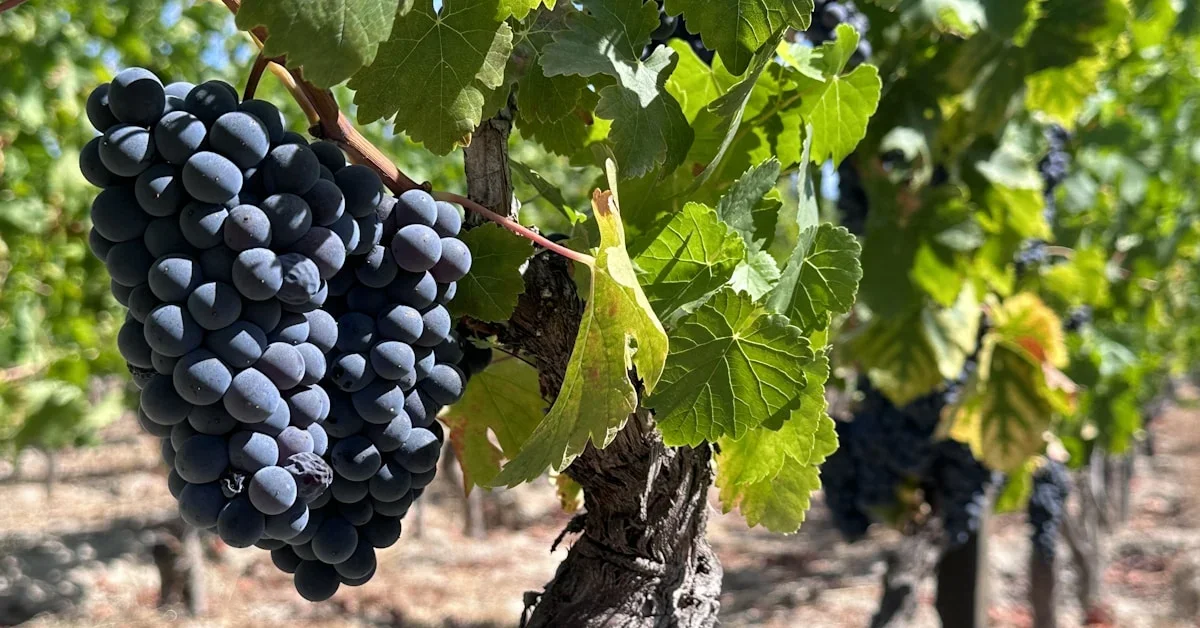
Some travel experiences stay with you forever. For me, taking part in the Douro harvest was one of them. I remember the first day as if it were yesterday: waking up at 6am with the mist still covering the river, pulling on my wellington boots, picking up a pair of pruning shears and walking between rows of Touriga Nacional grapes wet with dew, as the schist hills gradually took shape in the first light of morning. To this day, whenever I open a bottle of Douro wine, that morning comes back to me.
The harvest in the Douro Valley takes place between mid-August and mid-October, depending on the altitude, grape variety and weather conditions each year. At lower-altitude estates with early-ripening grape varieties, the harvest can begin as early as August. On the higher, cooler slopes of the Douro Superior, it sometimes continues until early November.
The Harvest Ritual
Picking the Grapes
At traditional estates, the grapes are still picked by hand — necessarily so, since the schist terraces are inaccessible to machinery. Teams of grape pickers, often seasonal workers who return to the same estates year after year, cut the bunches with special shears and fill baskets weighing 20 to 30 kg, which are then carried on their shoulders to the plastic tubs at the top of the terrace. Work begins at dawn and finishes at noon to avoid the intense Douro summer heat.
Foot-Treading the Grapes
The afternoon is set aside for foot-treading the grapes in granite lagares — the most festive and sensory moment of the entire harvest. The lagares measure between 3 and 10 metres long and are between 60 and 90 cm high. In groups of 10 to 20 people, shoulder to shoulder, to the rhythm of the accordion and traditional songs, the grapes are trodden for two hours in a steady march that extracts the juice without crushing the pips. The result is a warm, sweet must that begins to ferment that very night. Treading grapes barefoot, with dark purple juice rising up around your ankles, is priceless.
Estates That Open Their Harvest to the Public
- Quinta da Pacheca (Cambres, Lamego): A full harvest experience with grape picking, foot-treading, lunch and tasting. 95€ per person.
- Quinta do Crasto (Gouvinhas, Sabrosa): Hands-on harvest experiences in September, with access to the century-old vineyards. Booking required.
- Quinta do Vallado (Vilarinho dos Freires, Régua): Harvest experience with night-time foot-treading to live music. 80€ per person.
- Quinta Nova (Covas do Douro, Sabrosa): Harvest programme with a food-pairing tasting and celebratory dinner. 110€ per person.
- Quinta do Seixo (Casal de Loivos, Alijó): Harvest experience with a winery tour and Vintage Port tasting. 70€ per person.
Practical Tips for the Harvest
- Book 2 to 3 months in advance — harvest experiences sell out quickly
- Wear old, comfortable clothes that you don't mind getting stained
- Bring sunscreen and a hat — the Douro sun is intense even in September
- Wear closed shoes or boots in the vineyards; you can take them off for the foot-treading
- Bring water — dehydration is the biggest risk on a day of vineyard work
Frequently Asked Questions About the Douro Harvest
When exactly does the Douro harvest take place?
The exact dates depend on the ripeness of the grapes, which varies with the weather each year. In general, the harvest is expected to take place between late August and late October. Follow the estates on social media for real-time updates each year.
Can children take part in the harvest?
Many estates allow children to take part in harvest experiences when accompanied by an adult, especially the grape-treading. Check with the estate when you book.
How long does a harvest experience last?
Generally, between 4 and 8 hours, including grape picking, lunch, foot-treading and wine tasting. Most estates offer half-day (morning) or full-day experiences.
Book your Douro harvest experience now — and get ready for one of the most authentic memories of your travels.