Pinhão: Complete Guide to the Heart of the Douro Valley
Pinhão: The Heart of the Douro Valley
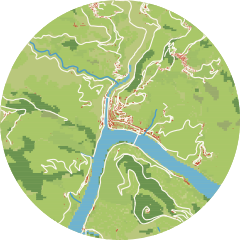
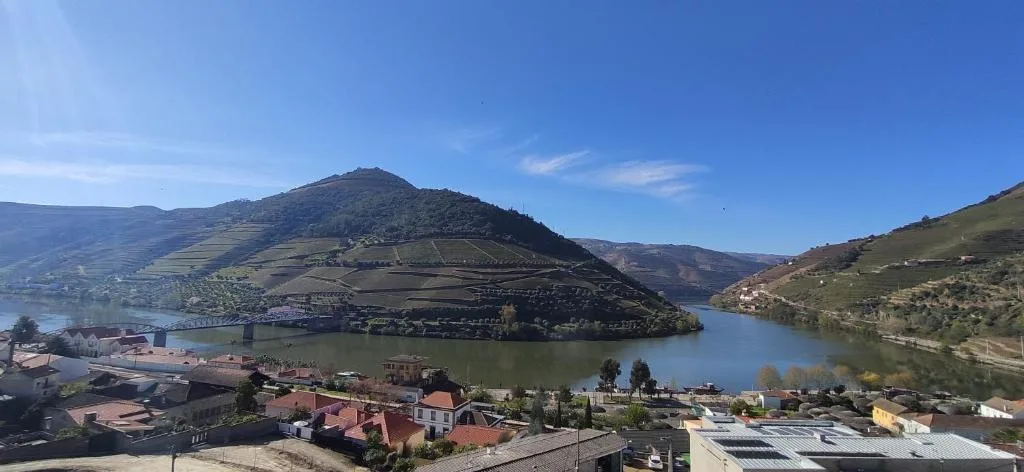
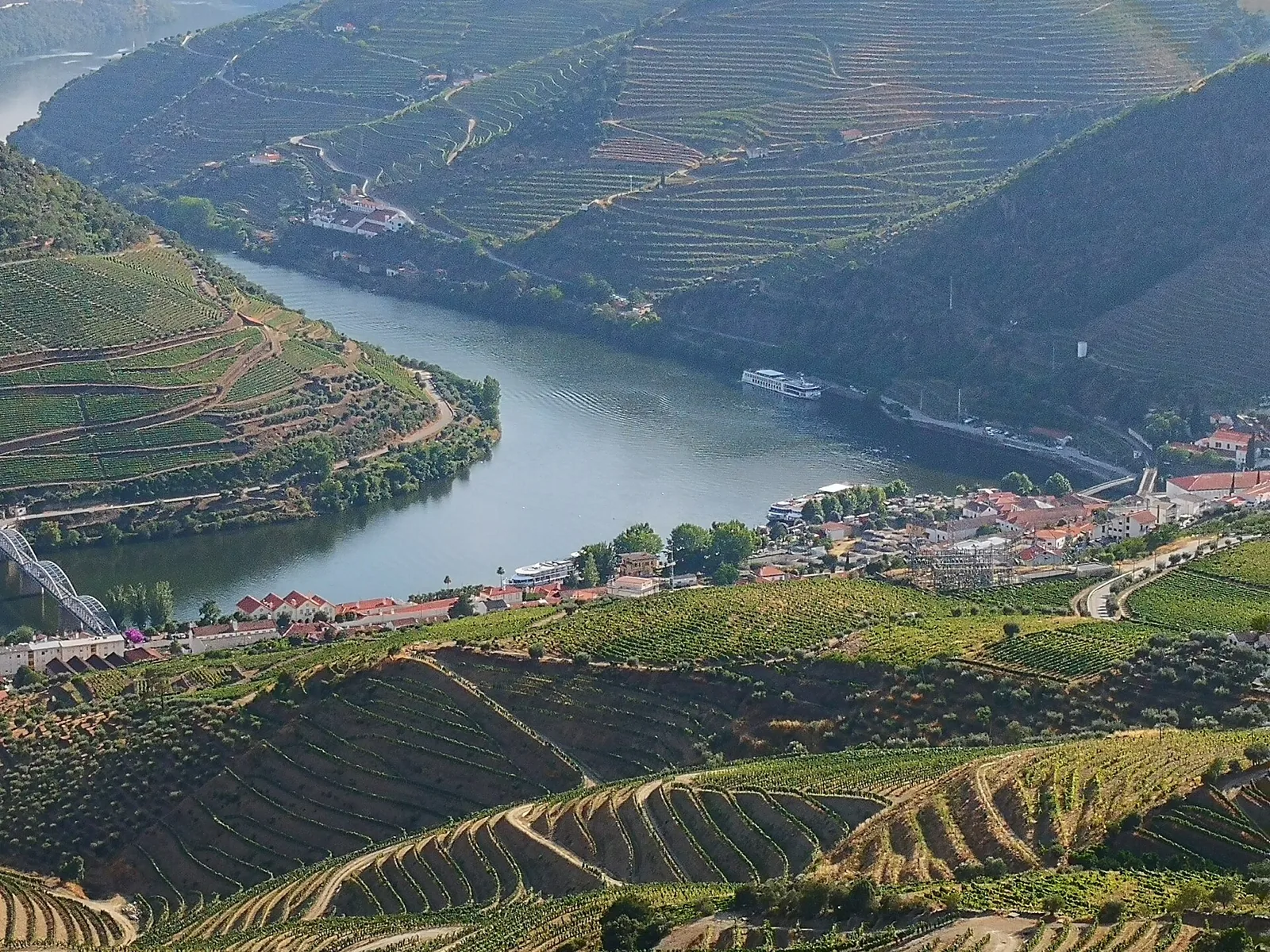
Pinhão is, for many travellers, the most beautiful village in the entire Douro Valley. Nestled between vine-covered mountains and served by the sinuous Douro River, this small settlement is the geographical and emotional epicentre of the Douro Vinhateiro. With just a few hundred permanent residents, Pinhão punches far above its weight in terms of what it offers: art, wine, extraordinary scenery and an authenticity that even growing visitor numbers have not managed to erase.
Those who arrive by train are already captivated before they step off the platform. Those who arrive by car are left speechless as they round the final bend of the EN222 road and the valley unfolds below them. Either way, Pinhão leaves a lasting impression.
The Azulejo-Decorated Railway Station
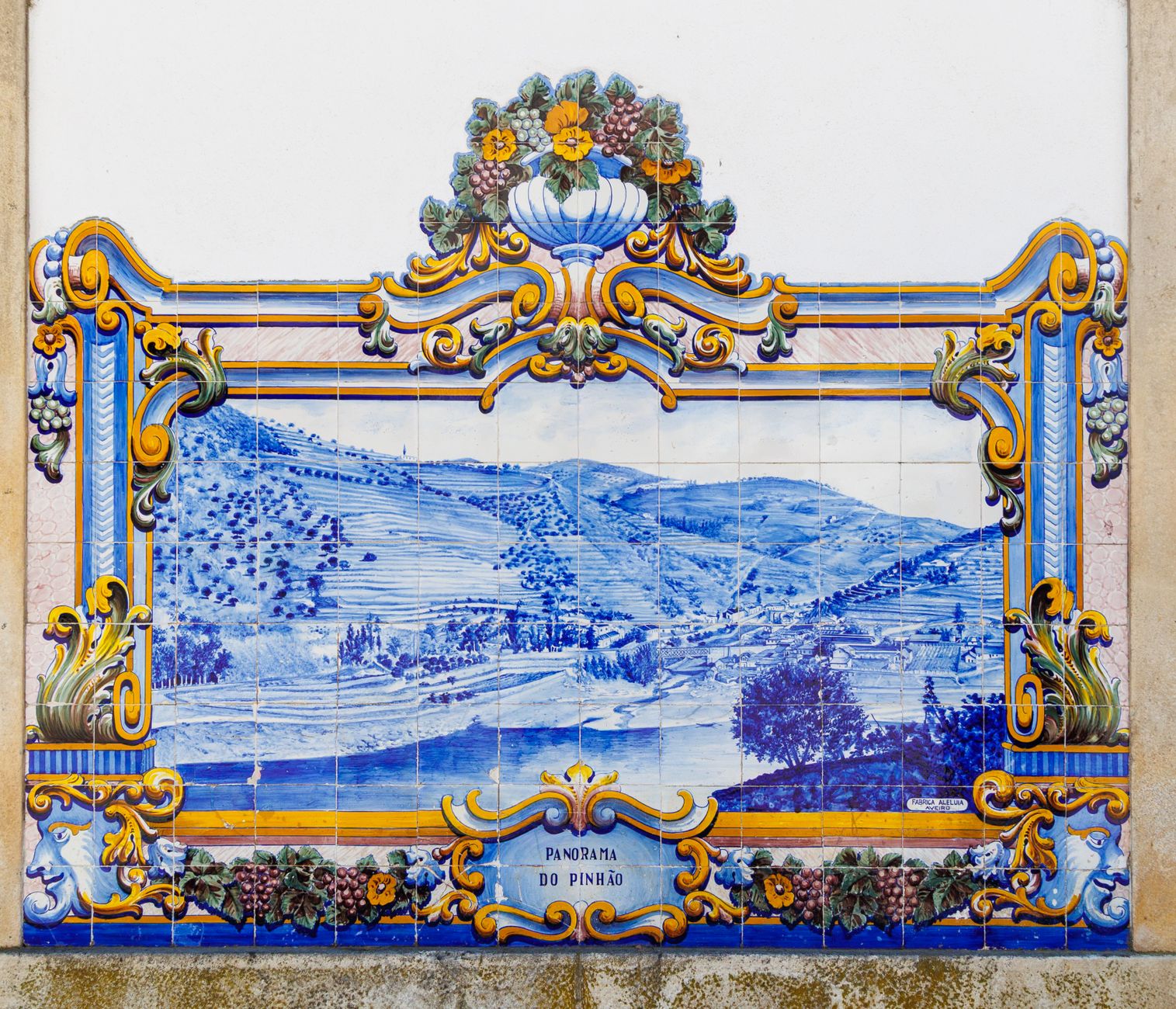
The Pinhão Railway Station is one of Portugal's most cherished cultural landmarks. Its walls are covered with 24 panels of blue-and-white azulejo tiles, painted by artist João Abel Manta in 1937, depicting scenes from Douro life: the grape harvest, Port wine transported in rabelo boats, hillside villages, women carrying baskets on their heads. They are a window onto the Douro of the past and one of the finest examples of station tilework in Portugal.
The station is still active on the Douro Line and receives the historic steam train during summer and autumn. Even if you are not travelling by train, the station is well worth visiting just to admire the azulejos.
Must-See Viewpoints near Pinhão
Casal de Loivos Viewpoint
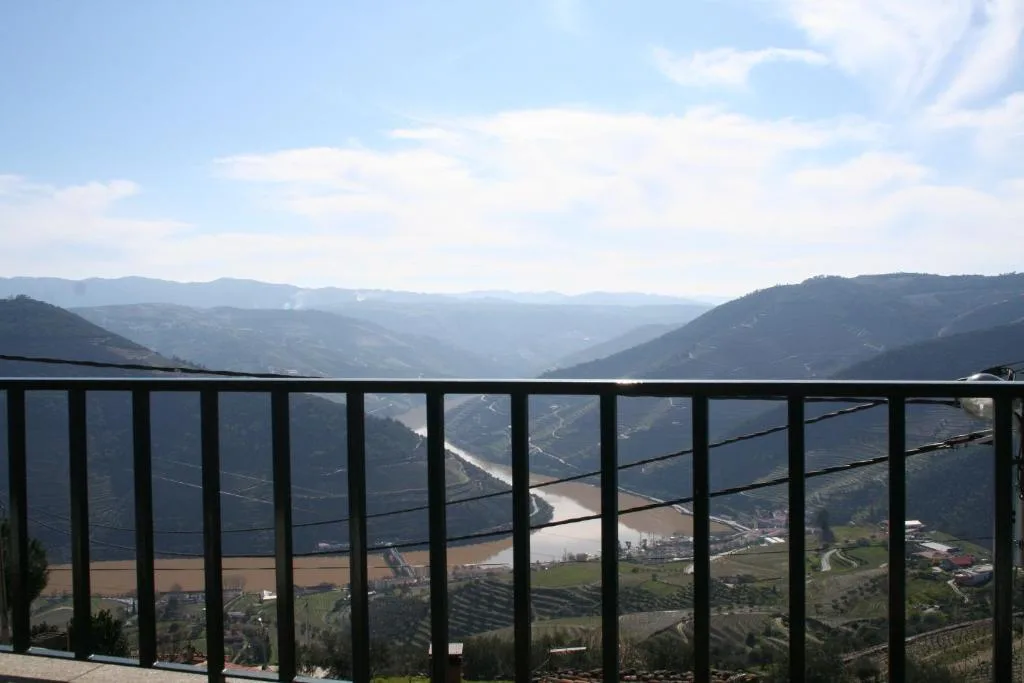
A few kilometres uphill from Pinhão, the Casal de Loivos viewpoint offers what many photographers and travellers consider the finest panorama in the entire Douro Valley. From up here, the eye sweeps across kilometres of terraced vineyards descending to the river, with Pinhão nestled below and the mountains of the far bank closing the horizon. The best time to visit is at dawn, when mist fills the valley, or at dusk, when the golden hour light bathes everything in warmth.
Quintas and Wine Tastings around Pinhão
Pinhão and its surroundings are home to some of the Douro Valley's finest wine estates. Quinta do Crasto, Quinta da Roêda (owned by Croft), Quinta do Vallado and Quinta do Portal are just a few of the prestigious properties that welcome visitors for tastings and guided tours. Advance booking is recommended, especially from June to October.
Tastings range from €10 to €50 per person depending on the number of wines and whether a cellar tour is included. Several quintas also offer food-and-wine pairing lunches — a wonderful way to spend an afternoon.
How to Get to Pinhão
By train: The Douro Line connects Porto (São Bento) to Pinhão in approximately 2h45 — one of Europe's great scenic rail journeys.
By car: From Porto, take the A4 to Amarante, then the N101 to Régua, then the N322 or the legendary EN222 riverside road to Pinhão. Total: approximately 1h45.
By cruise: Douro river cruises sailing up from Régua to Pinhão offer an unforgettable river arrival.
Where to Eat in Pinhão
The gastronomic scene in Pinhão is compact but high-quality. Chef Rui Paula's DOC Restaurant, which holds a Michelin star, occupies a contemporary riverside structure and is one of the most spectacular dining experiences in Portugal. The menu draws on regional Douro produce and pairs beautifully with local wines. For a simpler, more affordable meal, the village restaurants serve traditional Douro dishes at reasonable prices.
Where to Stay in Pinhão
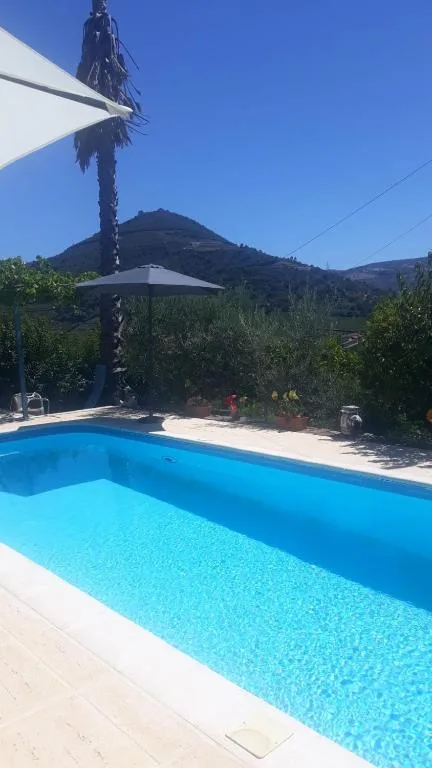
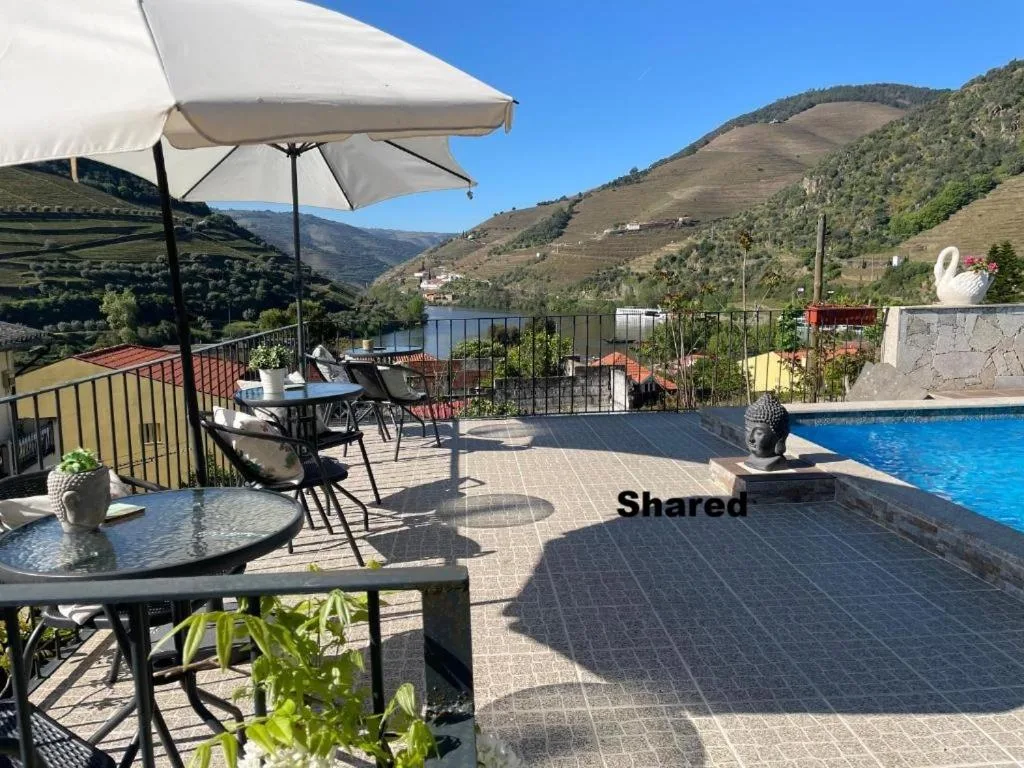
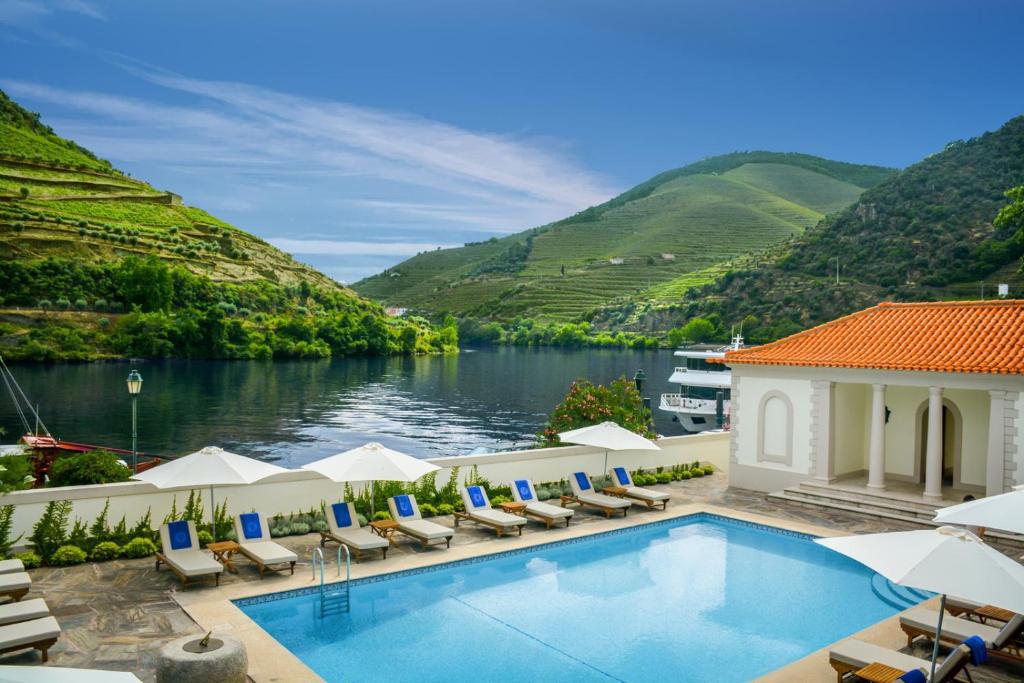
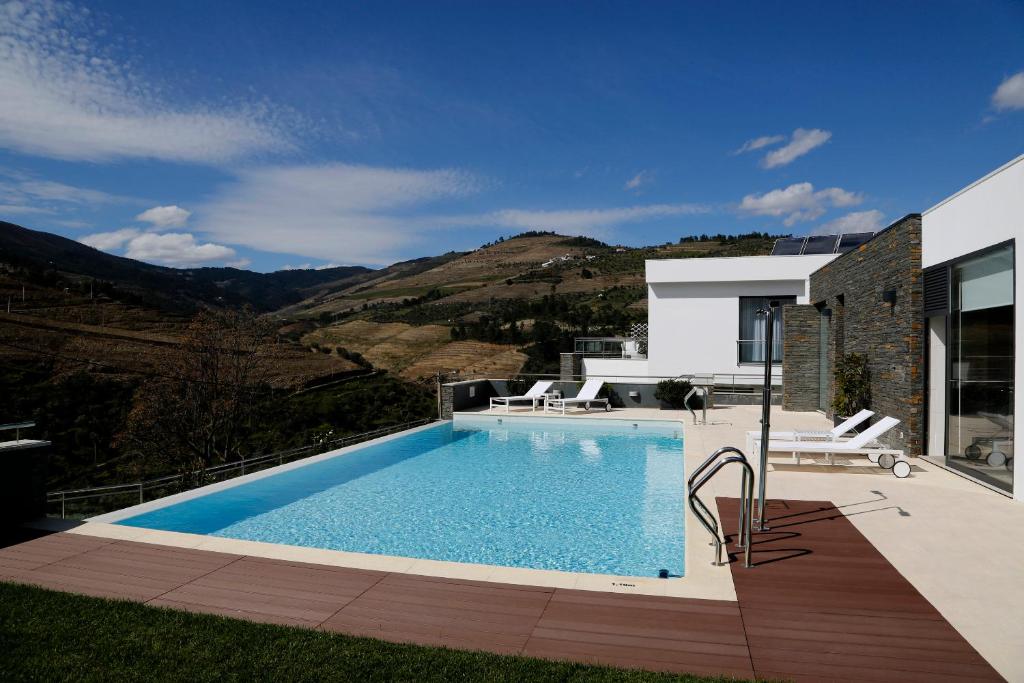
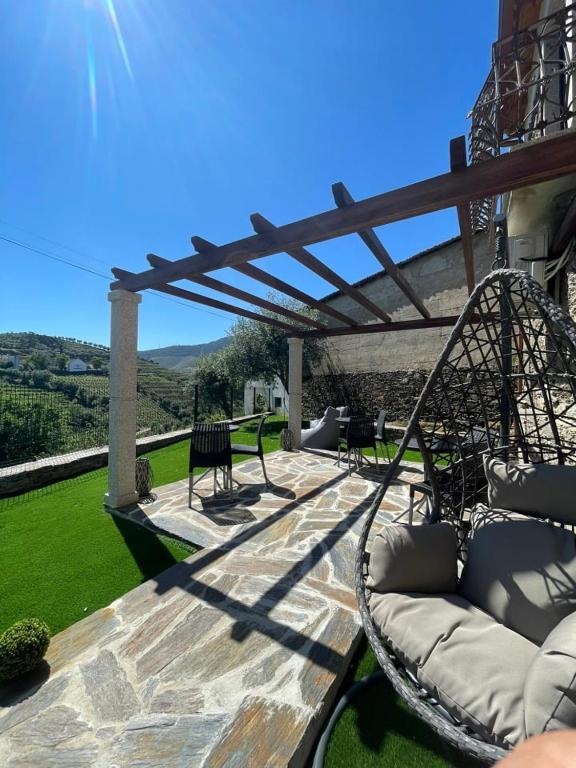
Pinhão has accommodation to suit every taste, from boutique hotels to quintas with infinity pools overlooking the river. Sleeping in Pinhão with views of the Douro is simply unforgettable. Browse all available accommodation in and around Pinhão.
Frequently Asked Questions about Pinhão
Why is Pinhão famous?
Pinhão is famous for its extraordinary location at the heart of the Douro Vinhateiro, its 20th-century azulejo-tiled railway station, its breath-taking viewpoints — especially Casal de Loivos — and the concentration of prestigious wine estates in its surroundings.
How long should I spend in Pinhão?
One night allows you to see the station, take a short boat trip and visit the viewpoint. Two to three nights allows you to explore the surrounding quintas, drive the EN222 at leisure and walk to neighbouring villages.
Is there public transport to Pinhão?
Yes, CP trains run from Porto to Pinhão daily with several departures. It is the best option for those without a car and passes through Peso da Régua, where river cruises also depart.
What is the best time to visit Pinhão?
September and October (grape harvest) are the most vibrant months. April and May, with green vines and mild temperatures, are equally excellent. Summer is hot but lively; winter is peaceful and authentic.