Porto to Douro Valley Day Trip 2026: Every Option Compared

A Douro Valley day trip from Porto is the single most common question we hear from travellers planning their first visit to northern Portugal. The valley looks deceptively close on a map — around 100 kilometres upstream from the city — and almost every visitor to Porto ends up wondering whether they can see Portugal's most famous wine region and be back in time for dinner. The short answer is yes. The longer answer is that how you do it changes the day completely, and the four realistic options differ by more than a hundred euros per person and several hours of your time.
We've watched visitors do this trip every way it can be done — on a minibus tour that collects them from their hotel door, on the early train out of São Bento, on a boat that takes the whole morning to climb two dam locks, and in a rental car on the N222. None of them is objectively the best. This guide breaks down what each option actually costs in 2026, how long it really takes, and, just as importantly, who each one suits — so you can pick the version of the day that matches how you like to travel.
Is a Douro Valley Day Trip From Porto Actually Worth It?
Let's deal with the honest caveat first, because it matters. The Douro Valley rewards slowness. The landscape changes character with the light, the best quinta visits are unhurried, and the region's real pleasure — long lunches, empty viewpoints, a glass of something on a terrace as the valley goes gold — is exactly what a day trip compresses out of the experience. If you have three or four days to spare, spending at least one night in the valley is a materially better trip, and our three-day Douro itinerary is the version we'd recommend to anyone with the time.
That said, a day trip is genuinely worthwhile, and we'd never tell someone with only a few days in Porto to skip the Douro entirely. You will see the terraced hillsides that earned the region its UNESCO World Heritage listing, you will taste Port where it is actually made rather than in a Vila Nova de Gaia cellar, and — if you plan it properly — you'll get several hours in the valley rather than a rushed drive-by. The trick is choosing the right format and accepting the trade-offs that come with it.
Option 1: The Organised Day Tour — Easiest, Most Expensive
The organised small-group tour is by far the most popular way to do this trip, and for good reason: it removes every logistical decision from your day. A typical Douro Valley full-day tour from Porto collects you from your hotel or a central meeting point in the morning, drives you into the valley, and builds the day around two visits to family-run wineries with guided tastings, a three-course regional lunch (usually in or near Pinhão), and a short river cruise on a traditional rabelo-style boat.
What It Costs in 2026
Expect to pay roughly €150 to €160 per adult for a well-reviewed small-group tour in the 2026 season. Some operators include hotel pickup and drop-off in Porto within that price; others charge around €15 per person extra for it, so it's worth checking that line item before you book. At the upper end, the price genuinely covers a lot — two guided tastings, a full sit-down lunch with wine, a boat trip of around 50 minutes to an hour departing from Pinhão, and roughly ten hours of transport and guiding. Vegetarian and vegan lunch options are standard with most reputable operators if you flag them at booking.
Who It Suits
This is the right choice if you want to drink freely without worrying about driving, if you're travelling as a couple or small group who'd rather not plan, or if it's your first time in the region and you want context from a guide rather than piecing it together yourself. It's also the only option that reliably gets you inside two working quintas in a single day, which is genuinely hard to arrange independently.
The trade-off is the one every group tour carries: you're on someone else's schedule, the stops are fixed, and you'll spend a meaningful chunk of the day in a vehicle with people you didn't choose. If that sounds draining, read on.
Option 2: The Train — Cheapest, and Arguably the Most Beautiful
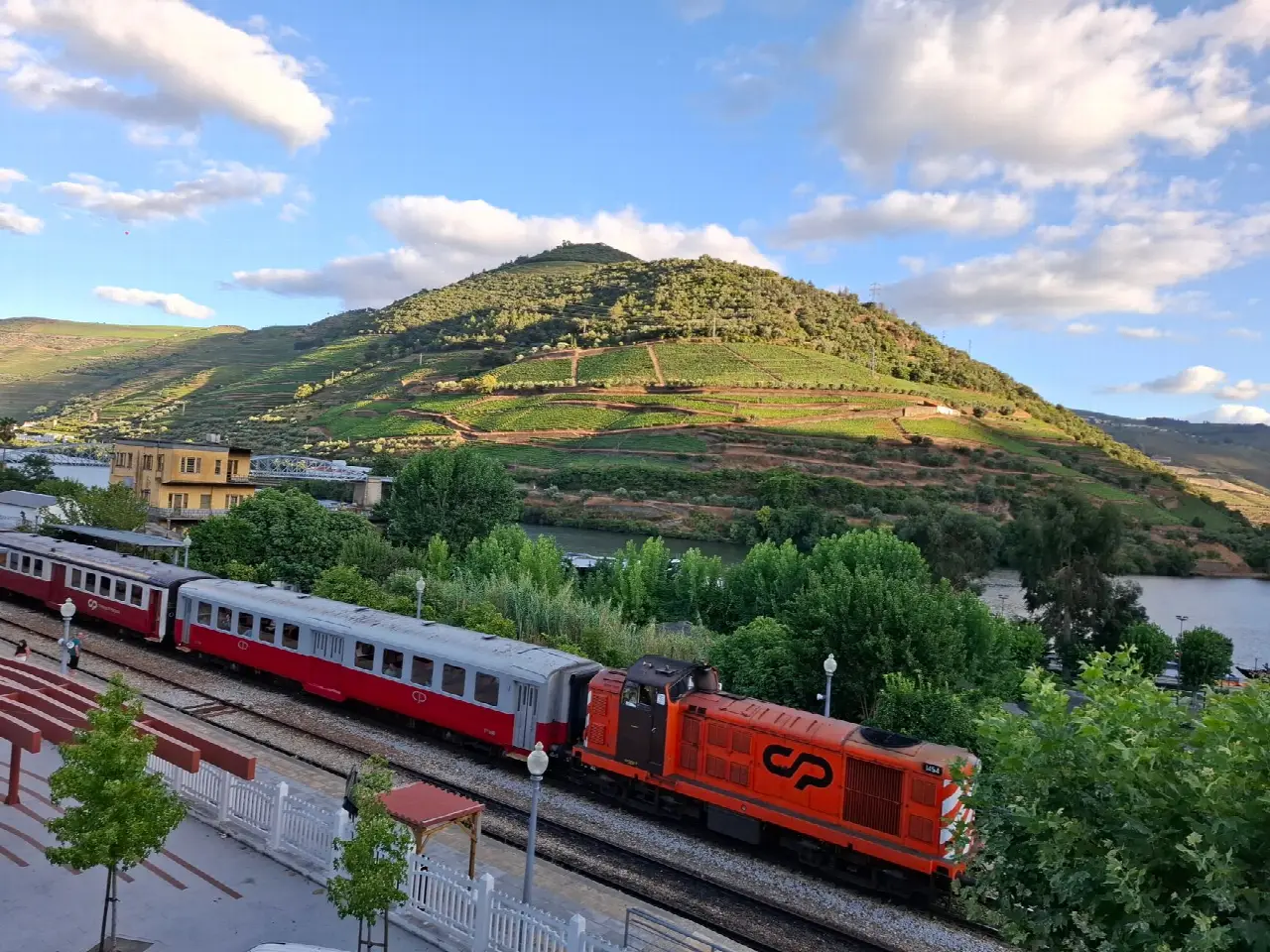
The Linha do Douro is one of Europe's great scenic railways, and taking it is the cheapest way into the valley by a wide margin. The line runs from Porto along the river, and from Peso da Régua onwards it hugs the water so closely that the vineyards rise directly from the far bank. For a lot of travellers — us included — this stretch is the highlight of the whole day.
Times, Prices and Which Station to Use
Trains for the Douro leave from two Porto stations: São Bento, the beautiful azulejo-lined station in the city centre, and Campanhã, the main interchange to the east. The two are about eight minutes apart by train, and some services only call at Campanhã, so check which one your departure actually uses.
On Inter-Regional (IR) services, Porto to Peso da Régua takes around 1 hour 55 minutes and costs about €11.10 one way or €20 return. Slower Regional services cost less — around €8.70 one way — but take longer. Carrying on to Pinhão, the prettier and more village-like base, takes roughly 2 hours 20 minutes and costs about €12.45 one way or €22.40 return. If you're already in Régua, the short hop to Pinhão is 24 to 27 minutes and costs around €2.75. Return tickets carry roughly a ten percent discount over two singles.
There are typically five or six departures a day running through to Pinhão and on to Pocinho, so the practical constraint is the timetable rather than availability — these services don't sell out the way a reserved high-speed train would, and you can buy at the station on the day. Even so, check current times on the CP website before you go, since seasonal timetable changes and engineering works do shift departures.
What You Can Realistically Do on Foot
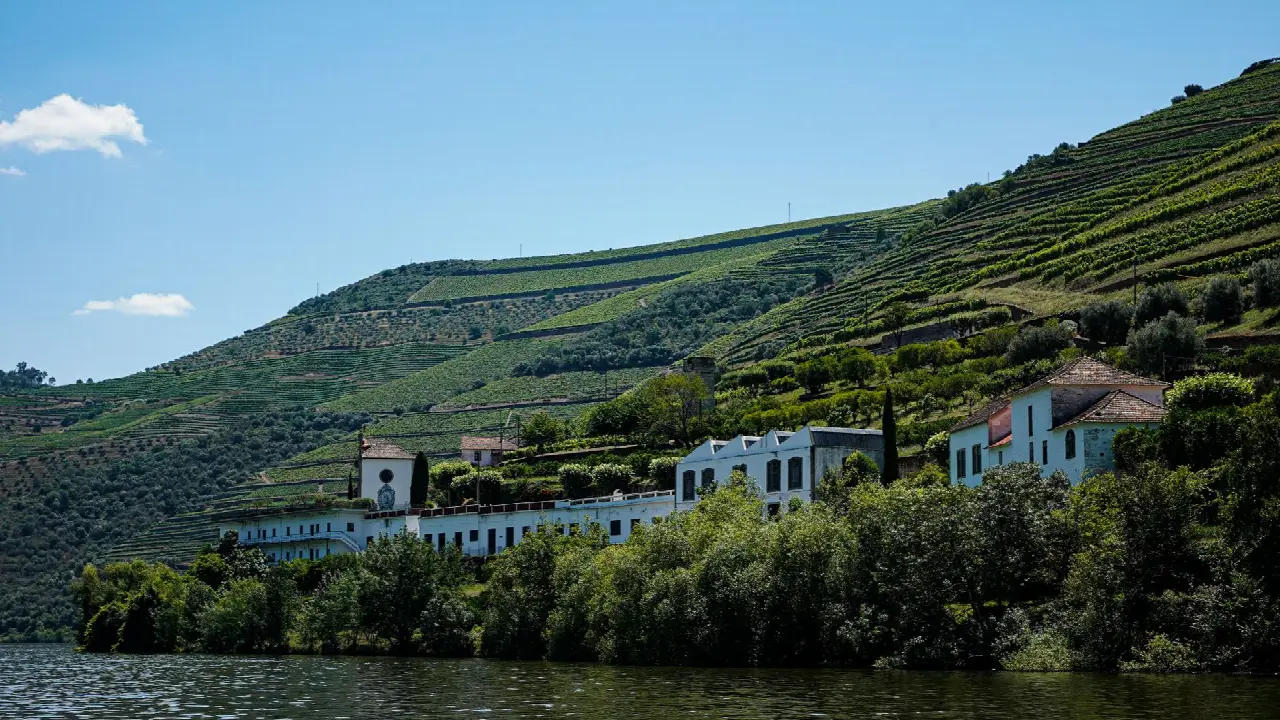
This is where honest planning matters. Arriving by train means you're limited to what's walkable from the station, and that's a real constraint — most quintas sit up long access roads in the hills, not beside the platform. The good news is that Pinhão works better for this than almost anywhere else in the valley: several wine estates and tasting rooms are within walking distance or a short taxi ride of the station, and the boat operators running short river trips depart from the quay a couple of minutes from the platform.
Régua, meanwhile, gives you the Douro Museum and a riverside promenade within easy reach. Either way, book any quinta tasting in advance — turning up unannounced is increasingly unreliable in peak season. Our guide to visiting the Douro Valley without a car goes deeper on exactly what's reachable on foot from each station, and if you're weighing up the two towns as a base for a longer stay, we've compared them directly in Pinhão vs Régua.
Option 3: The One-Day River Cruise — Slowest and Most Atmospheric
The third option is to let the river do the work. One-day Douro cruises are usually sold as a combination rather than a round trip by boat, because sailing both directions in a day isn't realistic. The two standard formats are: travel up to Régua by coach or train in the morning and cruise back down to Porto in the afternoon, or cruise upstream in the morning and return by train. Either way you'll pass through the valley's dam locks, which are genuinely impressive pieces of engineering and a large part of the appeal.
Prices start from around €72 per person for the standard Porto–Régua–Porto formats, typically including lunch on board — noticeably cheaper than a private wine tour, though you'll see the valley rather than step into a working winery. The critical thing to know is that these cruises generally run only from April to October; the locks close for dam maintenance outside that window, so a January visitor should discount this option entirely.
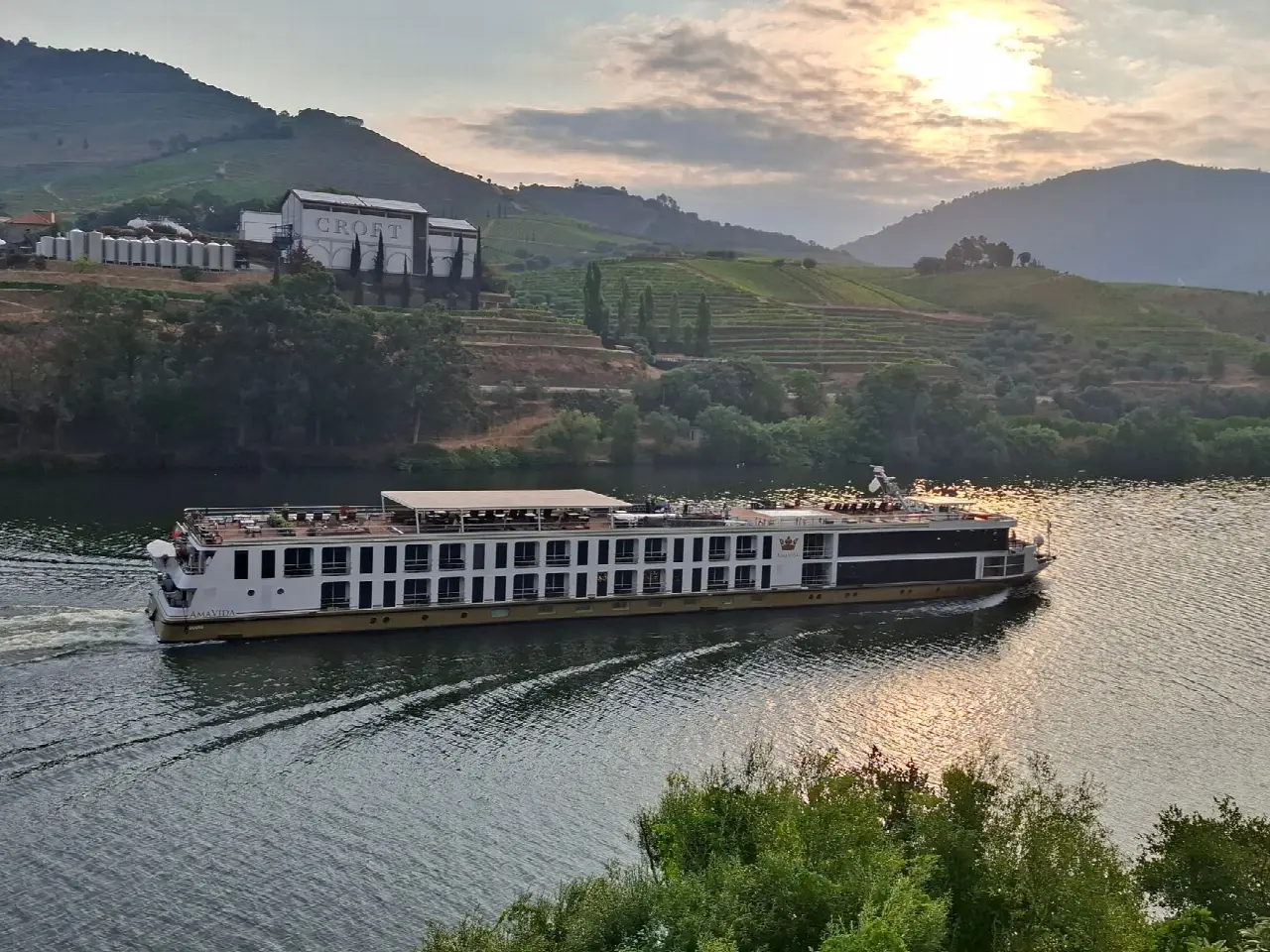
Expect a long day — most itineraries have you back in Porto somewhere between 5pm and 6pm. If you're weighing a single day on the water against a longer sailing, our dedicated Douro river cruise guide compares one-day trips and multi-day cruises in detail.
Option 4: Self-Drive — Most Freedom, With One Big Caveat
Renting a car gives you the day the other three options can't: you stop where you want, stay at a viewpoint as long as the light holds, and reach quintas that no tour bus visits. Porto to Peso da Régua takes roughly an hour and a half on the A4 motorway, which is a toll road — make sure your rental has a working electronic toll transponder, as the Portuguese toll system is awkward to settle otherwise.
The drive itself becomes the attraction once you leave the motorway. The N222 between Régua and Pinhão is regularly named one of the world's most beautiful stretches of road, and it's only about 27 kilometres, so you can drive it slowly and still have most of the day left. We've mapped the route and its best stopping points in our N222 road trip guide.
The caveat is unavoidable: someone has to stay sober. Douro roads are narrow, steep and full of blind bends, and Portugal's drink-drive limit is 0.5g/l — lower than in many countries visitors come from. If the point of your day is tasting wine, either nominate a driver who genuinely won't drink or choose one of the other three options. It's also worth knowing that parking in Pinhão is tight in high summer.
Which Option Should You Choose?
If you want to taste wine properly and not think about logistics, take the organised tour and accept the €150-ish price. If you're travelling on a budget or you simply love train journeys, take the early train to Pinhão — for around €22 return you get the best scenery of any option and a genuinely relaxed day. If you want the valley to unfold slowly and don't mind seeing it mostly from the water, book a one-day cruise between April and October. And if you're a confident driver with a designated non-drinking member of the group, self-drive gives you the richest day of all.
One combination worth flagging: several travellers we've spoken to take the train out to Pinhão, do a pre-booked tasting and a short local boat trip there, then take the train back — a hybrid that costs a fraction of a tour while still getting you inside a winery. It takes twenty minutes of advance planning and works remarkably well.
How to Make a Douro Day Trip Actually Work
Whichever option you pick, a few things separate a good day from a frustrating one. Start early — the first departures matter more than anything else you'll decide, because every option is time-constrained and a mid-morning start eats an hour of valley time you can't get back. Book tastings and lunch in advance, especially between June and October; the valley is far busier than it was five years ago and walk-in availability has thinned considerably.
Think about timing across the year, too. September and early October bring the harvest, which is the most atmospheric time to visit but also the busiest and most expensive — our guide to the best time to visit the Douro Valley covers the seasonal trade-offs. And finally, be realistic about how much you'll fit in. Two quintas is a full day. Three is a rushed one. The single most common mistake we see is an itinerary that treats the Douro like a checklist rather than a place to sit still in for a few hours.
If the day converts you — and it often does — the natural next step is coming back for a night or two. Our guide to where to stay in the Douro Valley covers quintas, rural houses and hotels across every budget.
Frequently Asked Questions
How far is the Douro Valley from Porto?
Peso da Régua, the usual gateway town, is around 100 kilometres upstream from Porto — roughly an hour and a half by car on the A4 motorway, about 1 hour 55 minutes by Inter-Regional train, or a full morning by boat. Pinhão, deeper into the wine country, is about 25 minutes further on.
What is the cheapest way to visit the Douro Valley from Porto?
The train, comfortably. A return ticket from Porto to Peso da Régua costs around €20 on Inter-Regional services, or about €22.40 through to Pinhão — a fraction of the €150 or so a guided day tour costs. You'll need to book any winery visits yourself and stick to what's walkable from the station, but for scenery per euro, nothing else comes close.
Do Douro river cruises run all year?
No. One-day cruises between Porto and Régua generally operate from April to October only, because the river's dam locks close for maintenance outside that window. If you're visiting in winter, plan around the train, a tour or a rental car instead.
Can you visit wineries in the Douro without a car?
Yes, but you need to plan. Pinhão is the best station for this — several quintas and tasting rooms are walkable or a short taxi ride away, and short river trips leave from the quay near the platform. Book tastings in advance rather than turning up, particularly from June to October, and check the return train times before you commit to an afternoon appointment.